
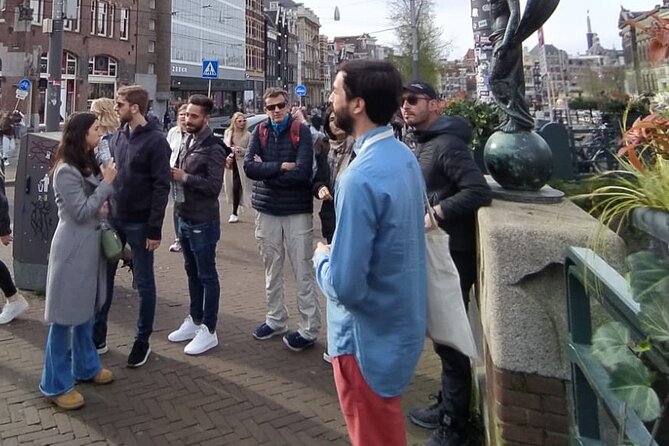
Reviewed · CITY TOURS
Discover the City Centre of Amsterdam
Canals feel like quiet clues here. This Amsterdam city-center walk strings together major landmarks, canal logic, and surprising WWII detail, all with an English guide named Aldo.
I like two things most: the route gives you a fast, practical mental map, and the stories connect places you can actually see, from Dam Square onward through the canals.
One drawback to weigh: not every stop is all-inclusive. House on the Three Canals has an entrance ticket that is not included, so you may want to plan for that if you want to go in.
In This Review
- Key Highlights You’ll Remember
- Getting Your Bearings at Dam Square and the Oldest Canal Lines
- Red Light District History Without the Sensational Fog
- WWII Hideouts at the House on the Three Canals
- Water Management at Rokin, Plus Bells and Tulips at Muntplein
- Houseboats and the Protestant Reform View from the Bridges
- Wrapping Up With Jewish Amsterdam and a Tolerance Story
- What Aldo’s Style Adds (And How to Use It)
- Price and Value: Why $12.04 Can Make Sense
- Practical Tips for a Smooth Walk in Amsterdam
- Should You Book This Amsterdam City Center Tour?
- FAQ
- How long is the Amsterdam city centre walking tour?
- What language is the tour offered in?
- Where do I meet the guide?
- Where does the tour end?
- Is a mobile ticket provided?
- What’s included in the tour price?
- Are museum or monument entrance tickets included?
- Do I need to bring food or drinks?
- Are service animals allowed?
- What happens if weather is bad or the minimum number of travelers isn’t met?
Key Highlights You’ll Remember
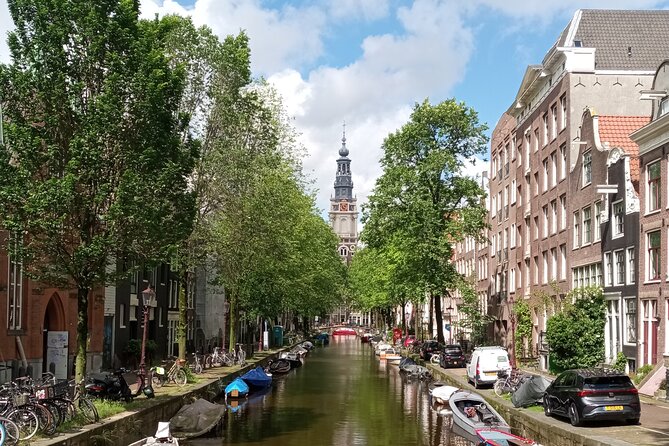
- Small group pace with a maximum of 15 people, so you can ask questions without shouting.
- Dam Square to the Jewish Quarter in about 1 hour 45, perfect for arrival-day orientation.
- Canal layout explained at the oldest canal stretches, plus how Amsterdam manages water.
- WWII hideouts at House on the Three Canals, including a hidden printing press story.
- Protestant Reformation and church changes discussed from an iconic bridge viewpoint.
- Free admission at most stops, with only the House on the Three Canals not included.
Getting Your Bearings at Dam Square and the Oldest Canal Lines
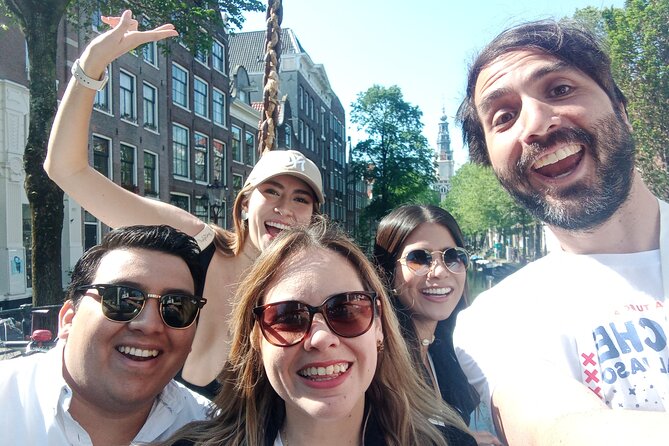
Start at Dam 39, right by Dam Square, one of Amsterdam’s oldest public squares. The tour begins with origins, not just dates. You get the sense of why this area mattered from the beginning, and how a city can grow around a focal point people naturally gather.
From there, you move to the canal area at Oudezijds Voorburgwal, described as the oldest canal in the city. This is where the walking tour becomes more than a “look at that building” stroll. You’ll hear how canals were laid out and what their purpose was, which makes the water network feel less random and more intentional. If you’ve ever wondered why Amsterdam canals seem to form a pattern that people actually rely on, this stop helps you read that pattern with your own eyes.
What I like about this start is how it trains your attention. You’re not stuck waiting for a grand finale. You’re learning how to see. A square makes sense, then a canal makes sense, and suddenly the rest of the center feels easier to navigate.
Timing is tight here, with each part running around 10 minutes. That’s a plus if you’re on a schedule, but it also means you should keep a little curiosity ready. If you want to ask follow-up questions, pay attention early so you don’t lose the moment.
Also flying a pennant in Amsterdam



Red Light District History Without the Sensational Fog
Next you’ll head to Oudezijds Achterburgwal, another old canal where the guide explains the history of the Red Light District and the culture around drugs in Amsterdam. This is one of the more sensitive sections of the walk, and that matters for your comfort.
A practical way to think about it: this isn’t a “shock value” stop. You’re getting historical context and cultural framing in the open air, while the city’s canal architecture and streets do the background work. That makes it easier to keep your head clear, because you’re anchored to place, not rumors.
If you’re worried about awkwardness, here’s the honest consideration. Some topics in this area can feel intense even when you’re only hearing context and history. If you’d rather avoid that whole theme, you might prefer a different kind of Amsterdam tour. But if you want real context for the city you’re actually walking through, this is part of the deal, and the guide’s job is to keep it informative and grounded.
You’ll also appreciate the pacing. It’s about 10 minutes, so you’re not stuck in a long explanation while the street scene changes every second.
WWII Hideouts at the House on the Three Canals
Then comes a story you can’t unhear, at House on the Three Canals. The tour is near the building, and you’ll hear about a hidden printing press used as a WWII hideout during the Nazi occupation.
This is the moment where the city gets a little dramatic in a useful way. You’re not just learning that Amsterdam was occupied. You’re learning how ordinary city spaces could be used for extraordinary resistance work. And because the lesson is tied to a specific building, the story lands harder than generic WWII facts.
One important note: entrance is not included. The tour lists admission for that monument as not included, so you may only get the exterior story and the nearby viewpoint unless you buy your own ticket. If your goal is to step inside, plan ahead so you’re not stuck deciding mid-walk.
If you do spend your time wisely here, you’ll come away with a sharper sense of how buildings can serve many lives at once, home, business, safe space. Amsterdam often feels charming and orderly, but places like this remind you it has layers.
Water Management at Rokin, Plus Bells and Tulips at Muntplein
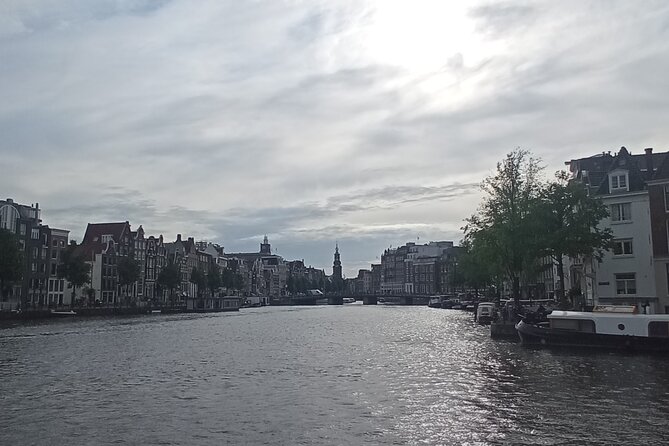
At Rokin, you’ll be by the narrowest canal in Amsterdam, near where the Amstel River ends. This stop is about water management in the Netherlands, and why it matters so much. It’s not an abstract lecture. You’re standing right where the city’s water logic becomes visible.
If you’re thinking, okay, but why should I care? Here’s the value. Amsterdam is a water city, literally. Understanding the practical reasons behind canals and water control helps you see why the city works the way it does today. Even if you never get into engineering, you’ll still walk away with a mental model.
Then you shift to Muntplein, in the area near the flower market. This stop connects city walls, bells around the city center, and the introduction of tulips. It’s a nice change of pace. Instead of warfare or adult-life history, you get cultural material you can match to what you’ll see while you wander later.
One reason this section works well is that it keeps you moving across different “themes.” Water management, then civic sounds, then tulip history. It prevents the tour from turning into a single-note timeline.
A small practical tip: bells can carry far in open areas. If you’re taking photos or watching streetscapes, a bell moment can be a great cue to pause, look up, and orient yourself in the sound as well as the view.
Houseboats and the Protestant Reform View from the Bridges
Next you’ll cross to Halvemaansbrug on top of the Amstel River area, where you’ll appreciate examples of houseboats and the city’s famous “dancing houses.” These details help explain why Amsterdam homes can look so quirky, why they appear to “tilt,” and how the built environment is shaped by its own constraints.
Right after that, the tour heads toward Staalmeestersbrug, one of the more iconic views in the city. This is a classic “stand here and look” spot. From the bridge viewpoint, you’ll get explanations about changes brought by the Protestant Reformation and how churches in the city were affected.
This is where the guide’s job really shows. A bridge view is visually impressive on its own. But add context and suddenly the view has meaning. You’re learning to connect architectural changes to shifting beliefs and social life.
At around 10 minutes, you won’t get a museum-level sermon. But you will get enough to notice differences later when you pass churches on your own.
Also, if your photos always come out too wide and too empty, try this: pause longer than you think you should at Staalmeestersbrug, let your eyes adjust, then shoot. The view is famous for a reason, and quick snaps often miss the structure.
Under the next bridge out of Amsterdam:
- Amsterdam Luxury Canal Cruise + Unlimited Drinks & Bites option
★ 5.0 · 30,518 reviews - Amsterdam: Rijksmuseum Entry Ticket
★ 4.7 · 29,512 reviews - Amsterdam: Classic Saloon Boat Cruise with Cheese & Wine
★ 4.6 · 27,035 reviews - Amsterdam: Evening Cruise with Optional Wine and Snacks
★ 4.4 · 22,178 reviews
Wrapping Up With Jewish Amsterdam and a Tolerance Story
The walk ends at the Memorial Plate Jewish Amsterdam Walk, finishing in the Jewish Quarter. The theme here is Amsterdam’s Jewish Quarter and how tolerance developed in the city.
This ending matters because it gives your entire walk a moral spine. You start with origins and city building blocks. You cover war resistance. You cover adult life and societal changes. Then you close with a focus on tolerance and community history.
It’s a respectful way to finish a city-center tour, especially if you’re visiting for the first time. You leave with a more human understanding of how Amsterdam’s identity formed, not just a list of sights.
The ending point is near De stem van Amsterdam, Amstel 1. That’s also helpful because you’re not dropped somewhere random far from transit. You can keep exploring on your own right after.
What Aldo’s Style Adds (And How to Use It)
The reviews you can find for this tour point to a clear pattern: the guide is attentive, keeps things interesting, and answers questions with real confidence. The name that comes up is Aldo, and his humor and flexibility are part of why the experience feels smooth.
Here’s how to get the most out of it. Bring two or three questions that you genuinely care about. Examples: Why are the canals the way they are? How did the Reformation change what you see? How do Dutch water rules shape daily life? When you ask early, the guide can steer later explanations toward what you want.
You’ll also get personal recommendations at the end. That’s not fluff. If you’re arriving and you don’t yet know what neighborhood fits your style, those tips can save you time and help you avoid the obvious traps.
One more practical note: the group is capped at 15. That smaller size can make a big difference when you want to stop, look, and still keep moving. It also helps the guide manage questions without turning it into a lecture.
Price and Value: Why $12.04 Can Make Sense
At $12.04 per person, this isn’t trying to be a premium museum-style experience. It’s a city-center walking tour focused on interpretation, not on paying for attractions.
That value math gets stronger because most stops are listed with free admission tickets. You’re paying for the guide and the stories, and you’re getting to see a strong chain of landmarks without constant add-on costs.
The one cost wrinkle is House on the Three Canals, where the entrance ticket is not included. If you choose to go inside, you’ll need to budget extra. But if you’re mainly here for the WWII hideout story tied to the building, you may feel satisfied even without an additional ticket.
Duration helps too. About 1 hour 45 is short enough for a busy travel day, yet long enough to build connections between places.
In other words, the price works if you want context fast. If you want inside access to multiple monuments, plan for extra admissions.
Practical Tips for a Smooth Walk in Amsterdam
This is an English tour with a mobile ticket, so you can keep it simple on your phone. Confirmation arrives at booking time, and service animals are allowed.
The biggest practical variable is weather. The tour requires good weather, meaning it can be canceled and rescheduled if conditions are poor. You’ll want to check the forecast for your day, and keep your schedule flexible if you’re booking close to departure.
Bring a water bottle. Food and drinks are not included, and that matters because the route is outdoors and paced at a walking-tour rhythm. Even if each stop is only around 10 minutes, you can still get thirsty in Amsterdam’s shifting weather.
It also helps that the meeting area is near public transportation. That’s useful if you’re mixing this with other plans around the center.
Who should book? If you like history but don’t want to sit, this fits. If you’re new to Amsterdam and want your bearings quickly, this fits even better. If you hate walking, though, you might feel the whole thing as a single continuous effort.
Should You Book This Amsterdam City Center Tour?
Yes, if you want a compact Amsterdam overview with street-level stories you can connect to what you see next. The strongest reason to book is the blend: canals and water logic, major center landmarks, WWII detail, and a thoughtful ending in the Jewish Quarter.
Consider skipping or choosing another option if you prefer tours that avoid adult topics. One canal stop specifically covers Red Light District history and the culture around drugs, and that may not be your vibe.
Also consider planning extra time or money if you want House on the Three Canals entrance. The tour’s focus is the story near the building, but the inside access has its own ticket.
If you’re the type who likes to walk, look up, and ask why, this is a smart use of a short day in Amsterdam.
FAQ
How long is the Amsterdam city centre walking tour?
It lasts about 1 hour 45 minutes.
What language is the tour offered in?
The tour is offered in English.
Where do I meet the guide?
The start point is Dam 39, 1012 JS Amsterdam, Netherlands.
Where does the tour end?
The tour ends in the Jewish Quarter at De stem van Amsterdam, Amstel 1, 1011 PT Amsterdam, Netherlands.
Is a mobile ticket provided?
Yes, the tour uses a mobile ticket.
What’s included in the tour price?
Included items are personal recommendations at the end, a knowledgeable guide willing to answer questions, and an engaging experience.
Are museum or monument entrance tickets included?
No. Entrance tickets to monuments or museums are not included, and House on the Three Canals has an admission ticket not included.
Do I need to bring food or drinks?
No food or drinks are included, so you should bring a water bottle.
Are service animals allowed?
Yes, service animals are allowed.
What happens if weather is bad or the minimum number of travelers isn’t met?
The experience requires good weather and can be canceled due to poor conditions, with an offer of another date or a full refund. It can also be canceled if a minimum traveler number is not met, with an alternative or a refund.
Latest to arrive along the quays of Amsterdam




City Tours, compared.
75 Minute City Canal Cruise with Audio Guide
Read our review →
City Centre Canal Cruise including Audioguide
Read our review →

City Canal Cruise and Heineken Experience Ticket
Read our review →
City Card with Free Entrance & Public Transport
Read our review →
Browse the lists this tour appears in