
Reviewed · DUTCH CHEESE TASTINGS & TOURS
Cheese making workshop next to De Hallen, heart of Amsterdam
Cheese-making starts with two simple cuts of milk. This small-group workshop takes place near De Hallen, where you learn how fresh cheese gets made, not just how it gets eaten. You leave with two cheeses plus the basics to keep experimenting later.
I love that the class is beginner-friendly and includes the ingredients and materials, so you can show up without planning a shopping trip. I also love the calm, hands-on feel that makes the process approachable, with an especially patient teacher and plenty of explanation.
One thing to think about: it is limited to 8 travelers, so popular dates can book up. If you need a lot of crowd space, plan ahead and pick a time that fits your schedule.
In This Review
- Key highlights worth booking
- De Hallen start, Ten Katemarkt walk, and a studio where food gets made
- What you make: rennet-coagulated cheese and acid-coagulated cheese
- Herbs and colours: the fun part that makes it feel personal
- Tasting your own cheese, then taking the craft home
- How De Kaasserie pricing fits real value in Amsterdam
- Who this Amsterdam cheese-making workshop is perfect for
- Quick logistics that help you plan your day
- Should you book this cheese-making class near De Hallen?
- FAQ
- How long is the cheese making workshop in Amsterdam?
- Where do I meet for the workshop?
- What will I make during the class?
- Is the workshop offered in English?
- Do I get to take the cheese home?
- How many people are in the group?
Key highlights worth booking
- Make two fresh cheeses using different coagulation methods: rennet first, then acid.
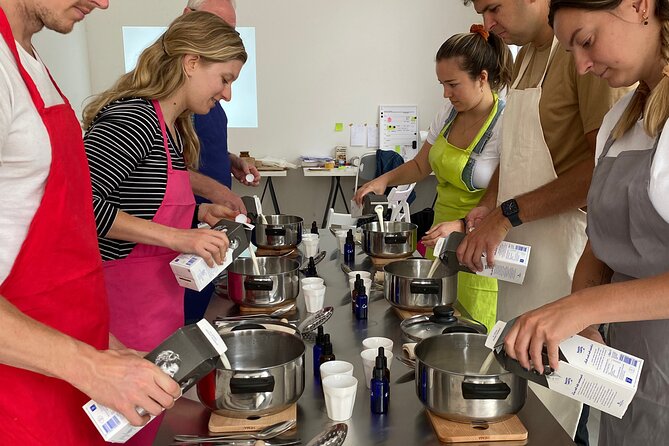
- Experiment with herbs and colours during the acid-coagulated cheese stage.
- Take home more than cheese, including your two cheeses, plus basic tools.
- Tasting and a drink happen at the end, so you get to enjoy your own results right away.
- Small group size keeps the class paced and supportive for first-timers.
De Hallen start, Ten Katemarkt walk, and a studio where food gets made
This cheese workshop is anchored in the north Amsterdam area, with the starting point at De Kaasserie (Bellamystraat 8, 1053 BL Amsterdam). The vibe here is practical and local, and it is a good setup if you like to pair a food class with exploring the neighborhood around De Hallen.
The day begins with Stop 1 at De Hallen Amsterdam. Even if you are not there for museum-style sightseeing, De Hallen is a smart place to orient yourself. You get an easy reference point, and it feels like the kind of Amsterdam food stop locals actually use, not a forced tourist detour. It also makes the workshop feel grounded, because you are already in the food scene before your hands ever touch the milk.
Then you move toward Stop 2, Ten Katemarkt. This is the quick “in-between” moment that helps break up the class day. It is not a big, staged tour. It is more like Amsterdam’s everyday pattern of short hops between neighborhoods and food spaces. For many people, that small transit is a nice breather before you get back to work in the studio.
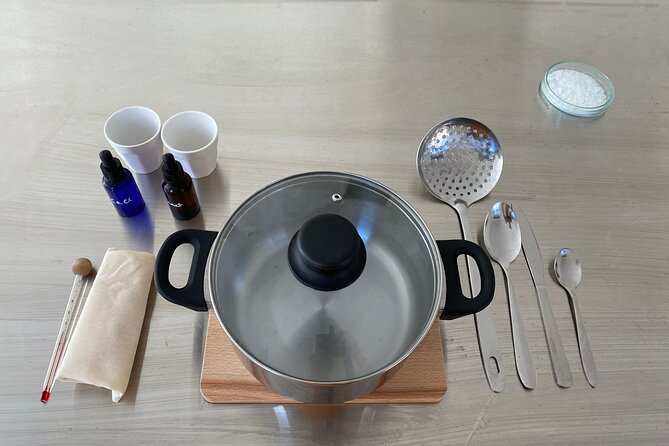
The real action is in the food design studio where you make the cheese. That shift matters. A studio setting means you get focused instruction, an organized workspace, and a calm environment that helps you follow steps without feeling rushed.
What to watch for: because the class is designed for hands-on learning, come ready to get a bit involved. If you prefer to observe only, this one may feel more like a lab than a show.
More wheels split open at the counter:

What you make: rennet-coagulated cheese and acid-coagulated cheese
The core of the experience is learning that cheese is not one technique. It is science, timing, and textures. In this class you make two types of fresh cheese, which gives you a real comparison point.
First comes the cheese coagulated with rennet. Rennet is one of the classic tools used to help milk curdle in a specific way. You learn how the process looks and feels at the stages where things change. This is a great option for beginners because it turns a confusing food word into something you can see and handle.
Then comes the second cheese, coagulated with acid. Acid coagulation works differently, so your hands get a different experience and your results look different too. The class uses this two-method structure on purpose. Once you have both methods in your memory, you start to understand why some fresh cheeses have certain textures while others act more like a soft curd.
This is also why the class works well if you love cooking but have never made cheese before. You are not just copying one recipe. You are learning a key concept: how milk responds to different coagulators. That knowledge is what makes the take-home part useful later, instead of just producing a fridge experiment you forget about.
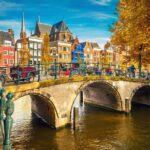
And yes, you get to make this yourself. The class includes the tools and ingredients, so you are not stuck figuring out what to buy. You can focus on technique: mixing, waiting, observing the curd, and shaping.
Herbs and colours: the fun part that makes it feel personal
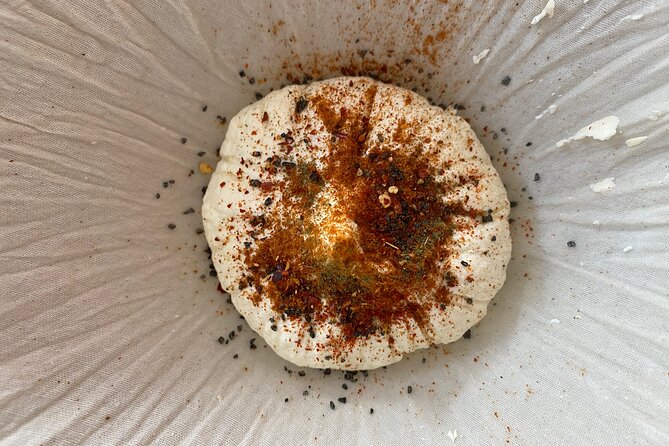
After the acid-coagulated cheese step finishes, you get encouraged to do something most cheese tutorials skip: you get to experiment with herbs and colours.
This is not just decoration. It is part of how fresh cheese can become your own recipe. When you add herbs, you control how the flavors sit in the curd. When you play with colour options, you start thinking about cheese as something you can style and customize.
For first-timers, this is a confidence builder. You are already doing the hard part, turning milk into curds. Adding herbs and colours turns the end result into something creative, not just technical.
From the tone of the class, it also seems like the teacher keeps the atmosphere relaxed. People highlight that the environment is calm and peaceful, and that the instructor is super patient. That matters here, because creative steps can feel intimidating if someone is impatient. In this class, it is the opposite: you get time to try, laugh a bit, and learn without pressure.
Practical tip for you: treat the herb and colour stage like tasting lessons. Even if your first attempt is not perfect, you are training your eye for what you like. Think about herbs you already use at home, like thyme, chives, or paprika-style spices, and imagine how you would pair them with bread or salads later.
Tasting your own cheese, then taking the craft home
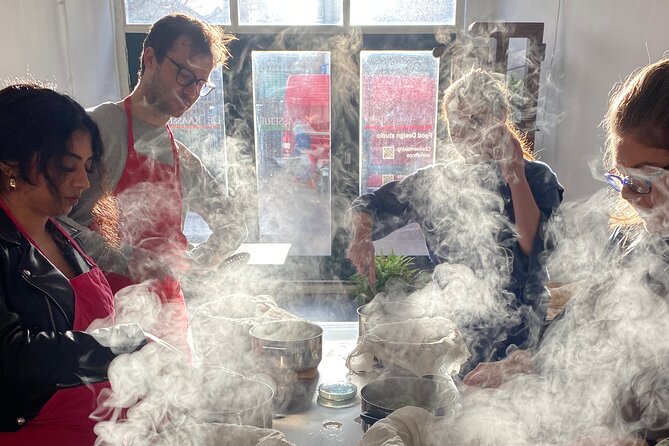
At the end, there is a cheese tasting with the cheeses you made, plus a drink to wrap up. This is more than a polite goodbye. It is your quality check.
When you taste what you created, you learn what worked in a way you cannot get from a printed recipe. You can notice texture differences between the rennet and acid cheese. You can also connect your herb choices to the flavor payoff. That makes the class feel complete, and it is a big reason people rate it so highly.
Then comes the part that helps you keep going after the workshop ends. You can take with you your two cheeses. You can also take basic tools to help you keep practicing. And you get recipes via email, so you are not relying on memory after a busy Amsterdam day.
This follow-up is where value shows up. A lot of short classes end with a product and a photo. Here, you get the start of a repeatable process. If you like to cook, the emailed recipes let you rebuild the method without guessing.
One more detail that makes the workshop feel “real Amsterdam” instead of a tourist gimmick is that the class seems to explain how you can make cheese at home, not just perform tasks in a studio. That turns it into a skill lesson, not just a one-off activity.
How De Kaasserie pricing fits real value in Amsterdam
At $144.49 per person for about 3 hours, this class sits in the “active food experience” category. It is not a bargain, but it also is not just paying for a story.
Here is where the value comes from, based on what you actually get:
- You learn two different cheese techniques, rennet and acid.
- All ingredients and materials are included.
- You take home two cheeses.
- You take home basic tools.
- You get recipes emailed later.
- You finish with tasting and a drink.
In other words, you are paying for hands-on instruction, included supplies, and a product you can store and share. In a city like Amsterdam, that combination is often the difference between something that feels expensive and something that feels worth it.
Small group size also supports the value. With a maximum of 8 travelers, you are less likely to feel like you are waiting for attention. That kind of class structure often matters more than people expect, especially for beginners.
Timing note: the class runs about 3 hours. That is long enough to actually learn and produce two cheeses, but short enough to fit into a meal-planning day. If you are scheduling other Amsterdam highlights, try to keep your cheese class away from your toughest “must-do” sightseeing, so you do not feel rushed afterward.
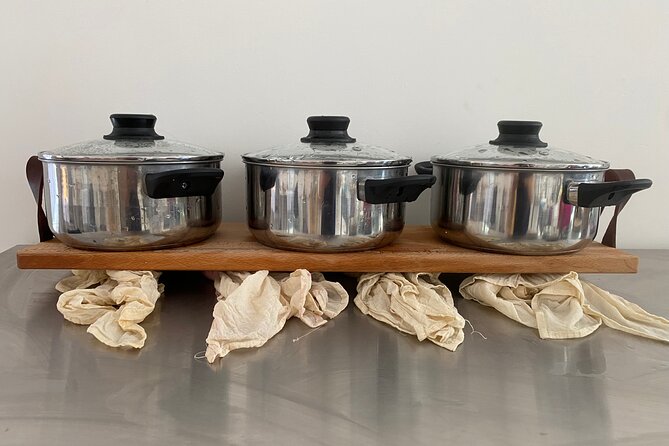
More benches with the tools set out:
- Amsterdam: Traditional Dutch Syrup Waffle Making Workshop
★ 4.8 · 4,093 reviews - Amsterdam Traditional Dutch Syrup Waffle Making Workshop
★ 5.0 · 960 reviews - Amsterdam: Bols Cocktail Experience and Cocktail Workshop
★ 4.8 · 666 reviews - Amsterdam: Traditional Dutch Blue Tile Painting Workshop
★ 4.7 · 400 reviews
Who this Amsterdam cheese-making workshop is perfect for
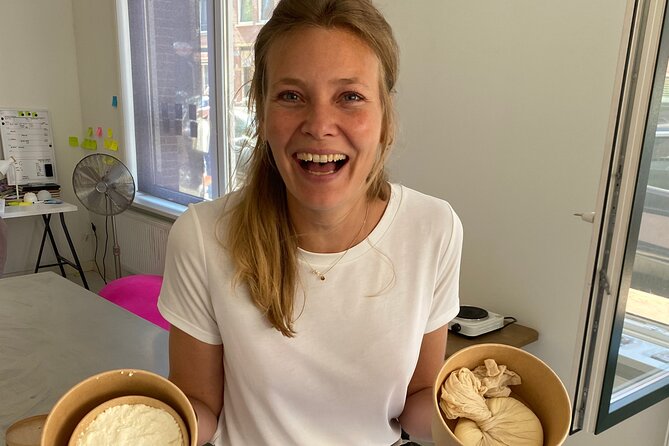
This experience is built for people who want hands-on food craft without prior experience.
You should strongly consider it if:
- You enjoy cooking and want a skill you can repeat.
- You like small-group learning with clear guidance.
- You want a fun activity that still teaches real technique.
- You want a take-home souvenir that is actually edible and useful.
It also makes sense for food lovers who want something more local than a tasting room. Starting near De Hallen, then working in a studio, you get both the Amsterdam food setting and the craft side of cheese making.
If you are traveling with a group, note that the class is capped at 8 travelers, so it can feel special and focused. If your group wants something highly social with lots of people, you might want a different kind of food tour. But if you like conversation and step-by-step instruction, this class fits.
Quick logistics that help you plan your day
This is offered in English, and you get a mobile ticket. The meeting point is De Kaasserie (Bellamystraat 8, 1053 BL Amsterdam), and the activity ends back at the meeting point.
It also runs close enough to public transportation that you should be able to reach it without a major headache. Also, service animals are allowed, which is a helpful clarity if that applies to your situation.
Booking tip: the workshop is often booked ahead, with an average booking window of about 58 days. If you are visiting in a busy season or on a weekend, I would treat this as something to secure early rather than last-minute.
And on the practical side, come prepared to work with food textures and smells. Cheese making has a real, working-food scent profile. For most people it is part of the charm. If you have a strong sensitivity to dairy smells, plan accordingly.
Should you book this cheese-making class near De Hallen?
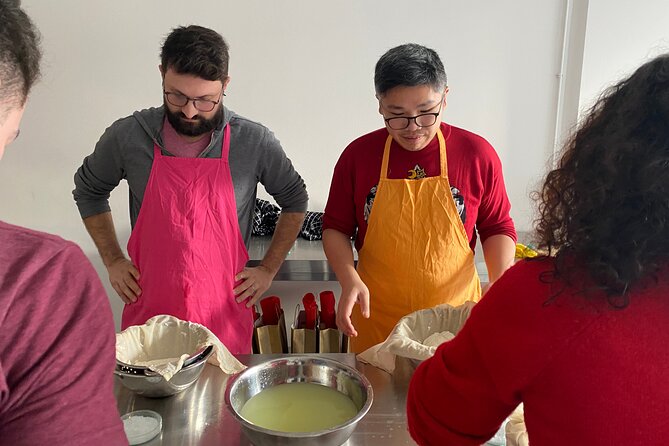
Yes, if you want a hands-on Amsterdam food experience that actually teaches you something repeatable. The biggest strengths are practical: you make two fresh cheeses using different methods, you get the ingredients and materials included, and you leave with cheese plus basic tools and recipes via email. The small group size also keeps the class supportive, calm, and friendly, with a teacher who is described as patient and engaging.
I would hesitate only if you dislike structured, skill-based activities or you are looking for a passive tour where you just watch. This is a “make it with your own hands” class, and that is its whole point.
FAQ
How long is the cheese making workshop in Amsterdam?
The workshop runs for about 3 hours.
Where do I meet for the workshop?
The meeting point is De Kaasserie, Bellamystraat 8, 1053 BL Amsterdam, Netherlands.
What will I make during the class?
You will make two types of fresh cheese: one coagulated with rennet and one coagulated with acid.
Is the workshop offered in English?
Yes, the class is offered in English.
Do I get to take the cheese home?
Yes. You can take with you the two cheeses you make, as well as the basic tools and recipes (sent via email).
How many people are in the group?
The class has a maximum of 8 travelers.
Latest to arrive along the quays of Amsterdam


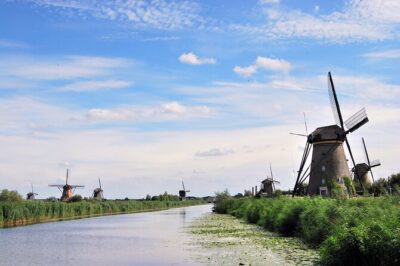

Dutch Cheese Tastings & Tours, compared.
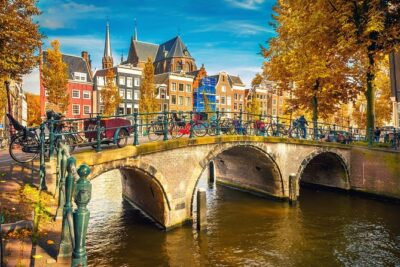
Amsterdam Classic Saloon Boat Cruise with Drinks and Cheese
Read our review →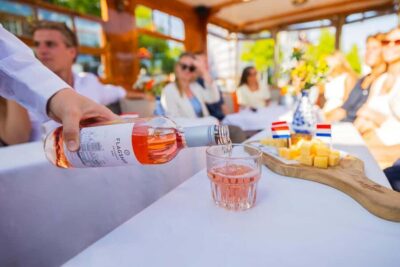
Classic Saloon Boat Cruise with Cheese & Wine
Read our review →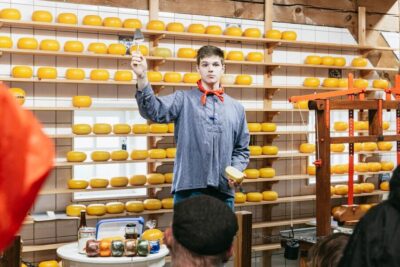
Guided Zaanse Schans, Windmills & Cheese Tour
Read our review →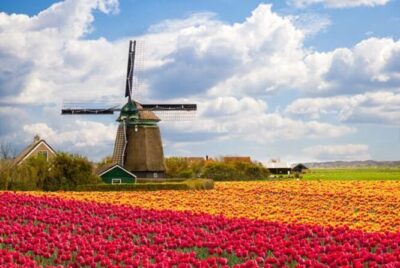
Zaanse Schans Windmills, Clogs and Dutch Cheese Small-Group Tour from Amsterdam
Read our review →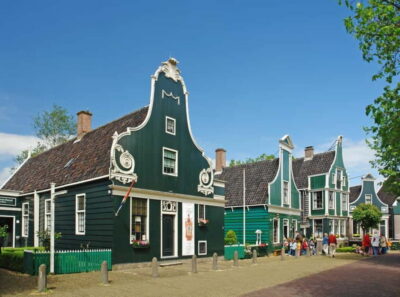
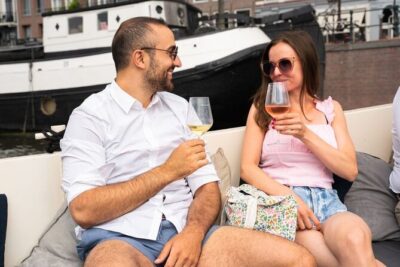
Evening Candle Light Cruise With Wine & Cheese
Read our review →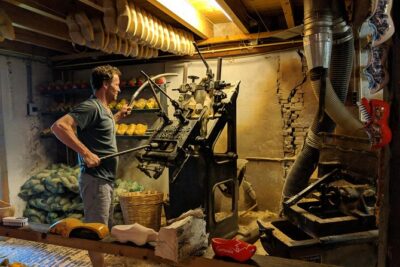
Countryside Bike Tour from Amsterdam: Cheese, Clogs & a Windmill
Read our review →
Giethoorn Tour Scenic Cruise, Cheese & Free Time
Read our review →Browse the lists this tour appears in