Reviewed · TOURS
Amsterdam: The Art of the Underground Tour
Art underground in Amsterdam changes how you see the city. This tour turns the metro into a living gallery, with stories that connect art to real daily life. I love the way it mixes modern art with older finds, and I also like that you learn the “why” behind the decoration, not just the “what.” One thing to consider: it runs through stations and sidewalks underground and above ground, so you’ll want comfortable shoes.
You’ll start near Amsterdam Centraal and head to around ten stops where the artworks range from easy to nearly invisible. The tour uses about two metro routes, one focused on newer pieces and one on older, and you’ll hear how Amsterdam’s social issues, politics, and even love show up in the visuals. In one recent group, the guide Maria was called out as fantastic, and that passion for local art culture and community does matter here.
At a quick glance, the metro looks like transit. After this, you’ll notice the details you usually miss, including the way architecture can pop into view and how the underground can connect to the world above. If you like art but also like real context and clear walking directions, this is a fun match.
In This Review
- Key highlights worth showing up for
- Finding the tour at Amsterdam Centraal, before the metro magic
- Two routes through the metro: modern and historic art in one plan
- The Rokin segment: where walking turns into art-reading
- The underground archaeological museum, past lessons in motion
- Why the metro is decorated, and what protests changed
- Expect hidden works, clever stories, and a detective vibe
- Price and logistics: $141, plus one metro ticket you should plan for
- What kind of traveler should love this tour?
- My call: should you book Amsterdam’s Underground Art tour?
- FAQ
- Where do I meet for the tour?
- How long is the Amsterdam underground art tour?
- What is the price?
- What’s included in the tour price?
- What is not included?
- How much are the metro tickets?
- Where does the tour start and where does it finish?
- What languages is the live guide available in?
- What should I bring?
- Is smoking allowed?
Key highlights worth showing up for
- Two metro routes: modern art route plus a historic route, so you get contrast instead of repeats
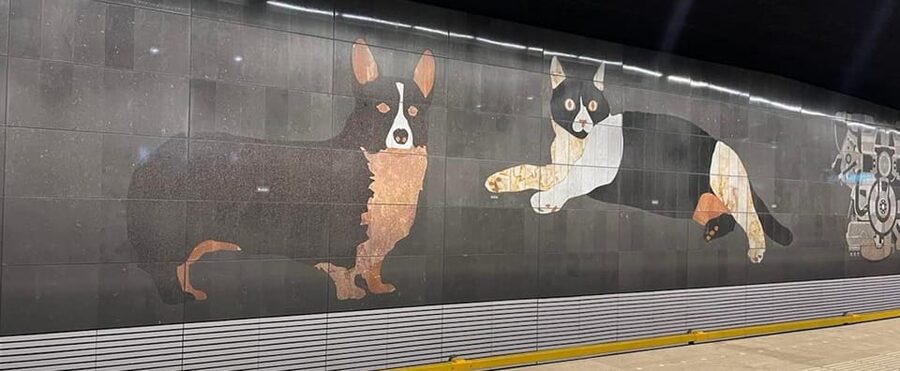
- About ten stations with works that range from obvious to “wait, where is that?” hidden pieces
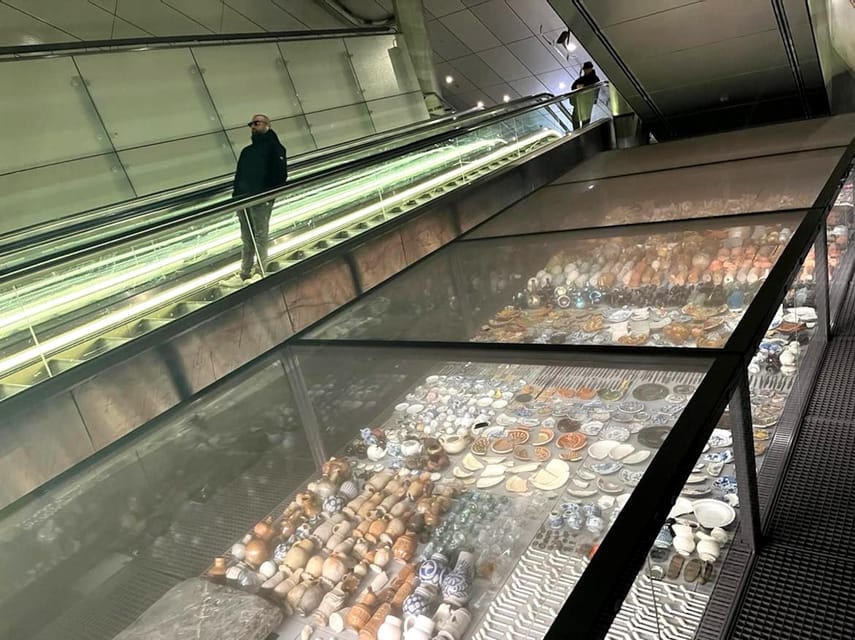
- Underground archaeological museum visit that connects the city’s past to the rail system
- Everyday stories about ordinary residents, social change, politics, and love, tied to specific artworks
- Music and protests explained, including what happened when early metro lines opened in the 1980s
Finding the tour at Amsterdam Centraal, before the metro magic
Your first job is easy, if you know where to look. You’ll meet in front of black shields near the main entrance of Amsterdam Centraal, and the entrance is between two towers. That matters because Centraal has multiple doors and entrances, so arrive a few minutes early and double-check you’re at the correct side.
From there, the tour begins with a short guided segment, about 15 minutes. This is where you get your bearings for what you’re about to see underground. I like tours that start with context, because it helps you read what you’re looking at later. You’re not just collecting station names, you’re learning what types of art are likely to show up and what kinds of clues to watch for.
Then you’ll take public transport for a few minutes before you reach the first art stop. The schedule is built so you’re not stuck underground too long before a story starts. That keeps energy up, and it also means you get little bursts of “oh wow, that’s what this is about,” instead of one long lecture.
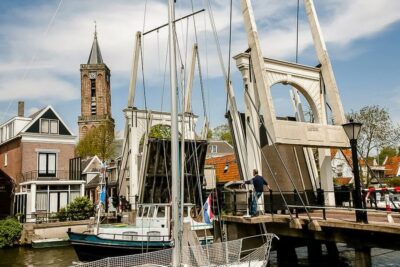
Also flying a pennant in Amsterdam



Two routes through the metro: modern and historic art in one plan
The structure here is a big part of the value. You’re not just walking the same line and hoping the artwork catches your eye. The tour is designed around two unique metro routes, one geared toward modern pieces and one toward historic ones. That gives you a sense of how the city’s taste, messages, and methods change over time.
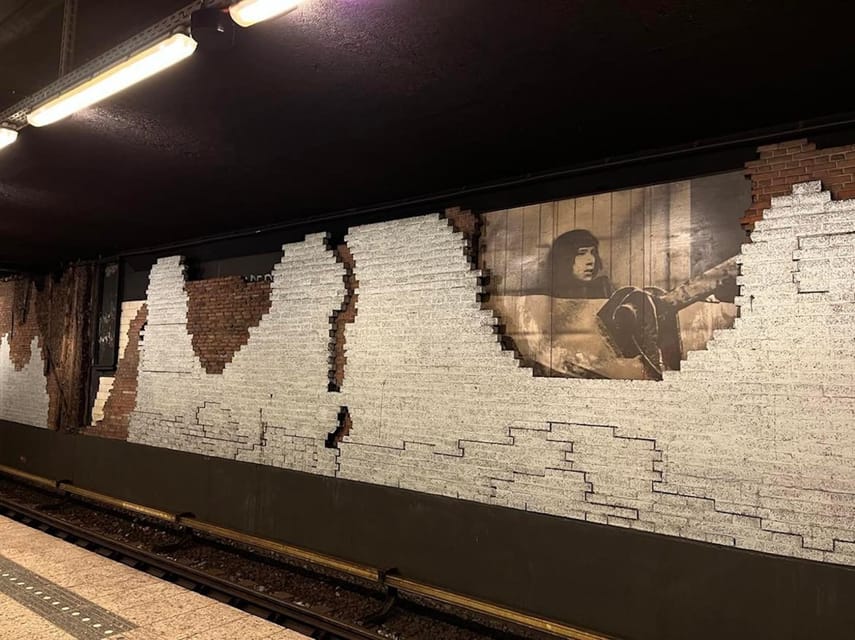
You’ll see artworks in roughly ten stations along the way. Some will be right where you’d expect them. Others are tucked in places that feel like a detective game, so you really do need to look carefully. With a metro system that carries millions of people, the artworks can disappear into everyday motion. This tour flips that, so the art is the point, not an accident you stumble on.
And the stories go beyond style. The tour frames the metro as a place where Amsterdam talks to itself. You’ll hear how the city has changed, and how themes like politics, social issues, and community life show up in murals, installations, and design choices. There’s also mention of connections that reach upward, so you might notice glimpses of architecture or even wildlife when the underground world links back to the city above.
The Rokin segment: where walking turns into art-reading
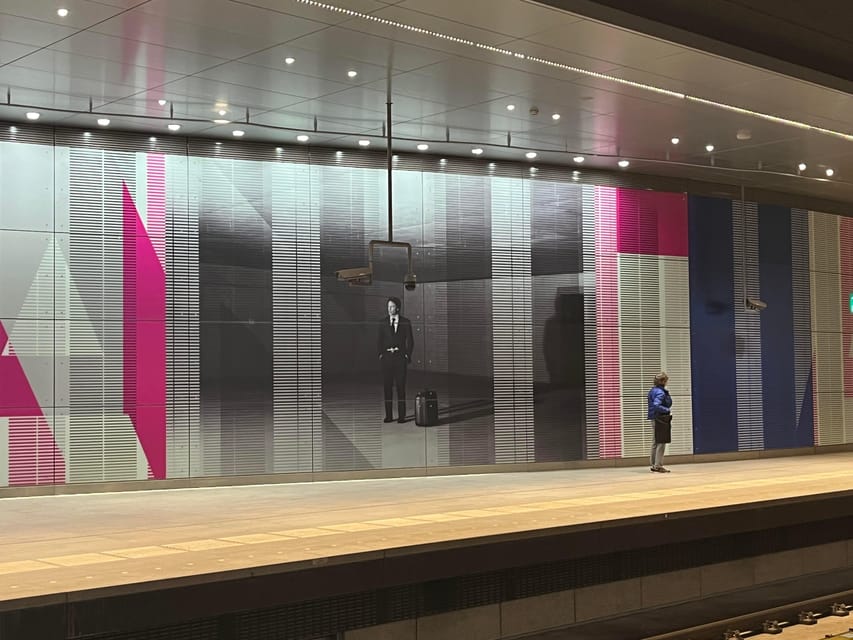
One of the planned guided stops happens at Rokin. You’ll get about 15 minutes of guiding there, after a short ride on public transport. Rokin is a good anchor stop because it’s a recognizable area name for many first-time visitors, and it helps you keep the tour mentally organized.
In a tour like this, the Rokin time slot is where I’d expect you to start making sense of the pattern. Early on, guides often teach you how to interpret the “language” of the artworks. Later, they help you connect those visuals to Amsterdam’s shifts over time. So even if a station’s artwork looks small, you’ll learn what details matter.
You’ll also start hearing about the ordinary residents behind the art themes. Instead of treating art like a museum artifact with no human neighbors, the stories focus on people who lived and worked in Amsterdam. That approach is practical, because it gives the pieces meaning you can carry with you when you move on to the next station.
A nice bonus is that the tour keeps switching between guided time and short transport rides. That rhythm matters on a two-hour schedule, because it prevents the experience from turning into fatigue. You’ll have time to look, then time to move, then time to learn what you just noticed.
The underground archaeological museum, past lessons in motion
One of the major stops on this tour is the underground archaeological museum. It’s a rare mix: you’re still on the metro route, but you’re stepping into a space that points to what the ground remembers.
From a value standpoint, this matters because it prevents the tour from becoming only modern art talk. The museum visit helps you see that the underground is not just decoration. It’s also a record of layers, time, and what the city built over.
If you like learning why places exist, this stop is a strong reason to book. The metro isn’t just an efficient way to move. Amsterdam’s underground has been shaped by decisions and by discovery, and that makes the art feel less like random decoration and more like part of the same story.
One practical note: since this is underground and you’re walking between stations, it’s smart to keep your water handy and your shoes comfortable. The tour asks for comfort because you’ll be on your feet more than you might expect for a “metro tour.”
Why the metro is decorated, and what protests changed
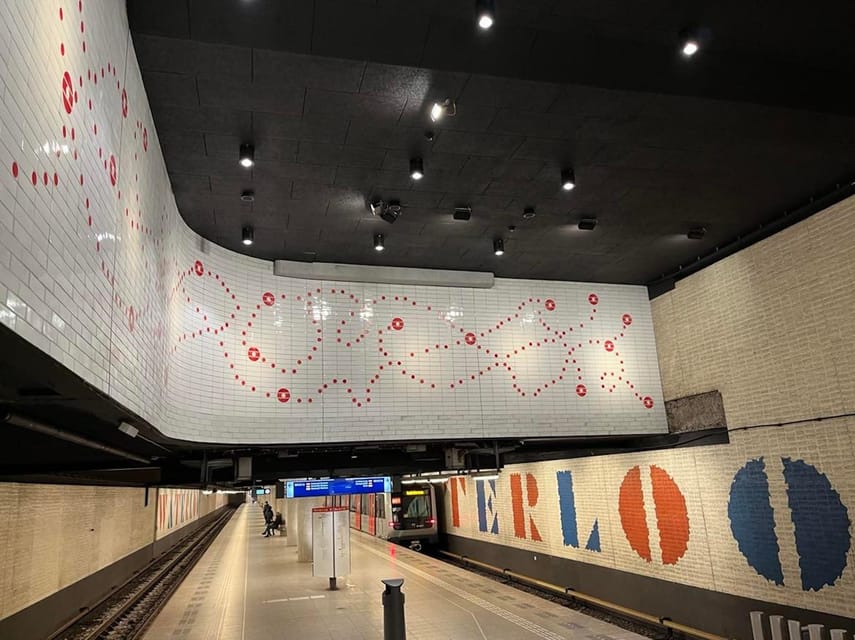
The tour also tackles the bigger question that many people never ask: why decorate a transit system at all? You’ll hear about how metro art is meant to shape the experience of daily riders. The tour frames this as part of Amsterdam’s social mindset. With around 14 million people passing through each year, those artworks have a wide reach, even if most people only see them for a second.
You’ll also learn about a key historical moment, when the first metro lines opened in the 1980s. The information given includes that those early lines sparked protest, and the tour connects that civic conflict to how people argued about the role of the metro in public space. That context turns the art into a political and social artifact, not just something pretty.
Then there’s another detail that can be easy to overlook when you’re riding fast: music playing underground. The tour includes time to explain why that happens and what it adds to the space. When you understand the intention behind sound, the station environment feels designed, not accidental.
This is the part I’d recommend to anyone who thinks modern art is too abstract. You’re not being asked to love everything. Instead, you’ll learn why modern art is considered necessary in public space and what kinds of conversations public art can start.
Under the next bridge out of Amsterdam:
- Amsterdam Luxury Canal Cruise + Unlimited Drinks & Bites option
★ 5.0 · 30,518 reviews - Amsterdam: Rijksmuseum Entry Ticket
★ 4.7 · 29,512 reviews - Amsterdam: Classic Saloon Boat Cruise with Cheese & Wine
★ 4.6 · 27,035 reviews - Amsterdam: Evening Cruise with Optional Wine and Snacks
★ 4.4 · 22,178 reviews
Expect hidden works, clever stories, and a detective vibe
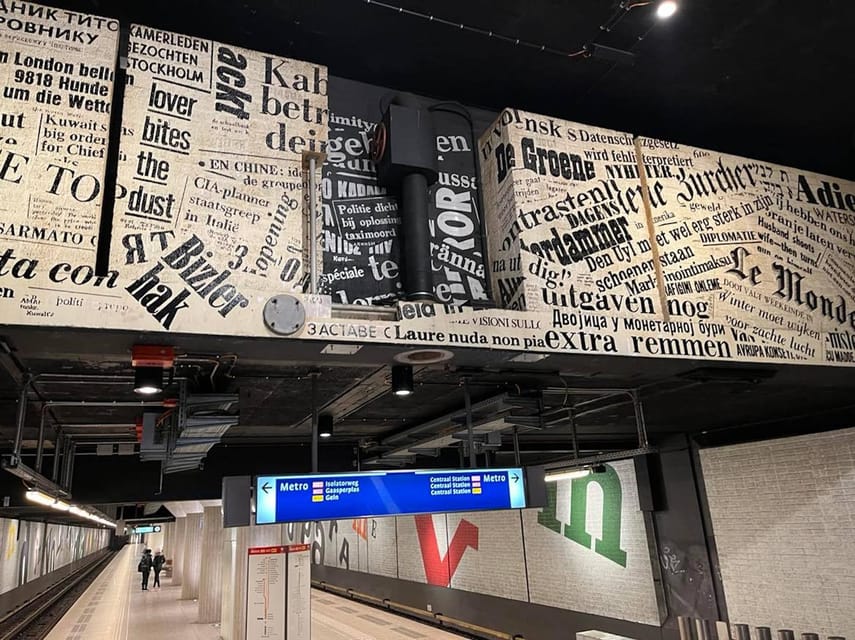
A defining feature of this tour is that not all the art is obvious. Some works are described as so hidden you’ll need to play detective. That doesn’t mean it’s frustrating. It means the guide helps you notice things you’d otherwise miss because you’d be focused on getting where you’re going.
You’ll be searching as you move between stations. The tour is built around about ten stops, which gives you enough repetition to build awareness. After a few stations, you’ll start spotting patterns, like how certain design elements invite attention or how artwork is placed to be seen at standing height, on corners, or along routes people follow without thinking.
The stories attached to each artwork are what tie it together. You might hear about Dutch painting influences, tulip mania, student movements, everyday life, and relationships. The key is that the guide doesn’t treat each piece like a random exhibit label. They connect it back to Amsterdam’s people and how the city has argued with itself over time.
And yes, there’s a bit of surprise built in. The tour description points out that you never know which story details will reveal themselves. That’s part of the fun, because you’re paying attention instead of following a script of only well-lit masterpieces.
Price and logistics: $141, plus one metro ticket you should plan for
The price is listed at $141 per person for a 2-hour guided experience. The practical question is whether that’s fair value compared to riding the metro on your own.
Here’s what you’re paying for, based on what’s included:
- A professional, passionate guide
- A structured underground art tour
- Exploration of about ten stations with many artworks
What you’re not paying for:
- Hotel pickup and drop-off
- Underground metro tickets, listed at 9 euros per person
So, your real cost has two parts. The tour fee covers the guide, the art-focused route, and the storytelling. Your metro ticket covers the travel between stops. For value, the biggest thing is the guide’s work: this is not an art crawl where you can easily copy the route and get the same meaning without help.
You’re also getting a tight schedule. Two hours is long enough to see multiple stations and hear several themes, but short enough to avoid a day getting swallowed by one attraction. If you’re juggling a busy Amsterdam itinerary, that matters.
Logistics tips that come straight from what you’re asked to bring: wear comfortable shoes. Bring a water bottle to stay hydrated. And smoking indoors is not allowed.
What kind of traveler should love this tour?
This tour fits people who enjoy art but want real context. If you like modern art, you’ll appreciate the explanations for why it belongs in public space and how it functions for everyday riders. If you’re more into history, the archaeological museum stop and the historic metro route add grounding.
I also think it’s a strong choice if you want a break from the usual museum route. Amsterdam has plenty of classic galleries. This gives you something different: public art in a place you already plan to use. After the tour, you’ll likely ride the metro differently, noticing details instead of zoning out.
If you hate walking or you’re hoping for a fully seated experience, you might find it less comfortable. The tour includes multiple station stops and guided segments, and it moves between areas using public transport. Comfort matters here more than camera-ready scenery.
Language support is another practical fit. The tour runs in English, Russian, and Ukrainian. If you prefer English, you can plan around it. Private group availability also exists if you want the pace tailored to your party.
My call: should you book Amsterdam’s Underground Art tour?
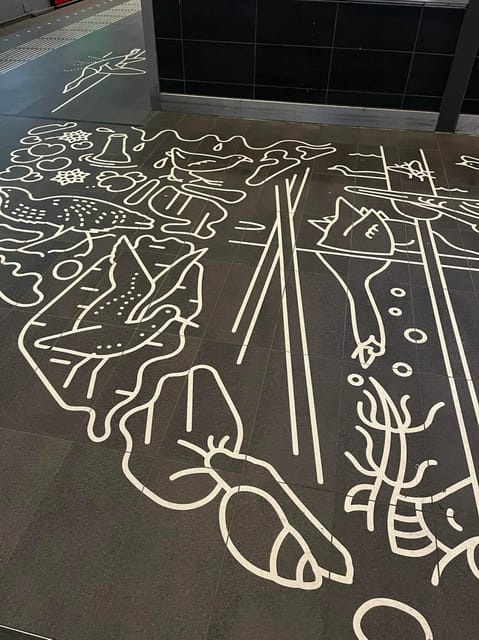
I’d book it if you want Amsterdam with a sharper lens. The art is part of daily movement, not sealed behind museum glass, and the guide’s stories make the metro feel like a shared conversation the city is having with itself.
I’d skip it if you only want famous museums and don’t care about modern art in public space. This tour is about interpretation, hidden details, and the reasons cities choose to decorate transit. If that sounds like your kind of travel, it’s a great use of two hours.
FAQ
Where do I meet for the tour?
You meet in front of black shields near the main entrance of Amsterdam Centraal station, at the entrance between two towers.
How long is the Amsterdam underground art tour?
The tour duration is 2 hours.
What is the price?
The price is $141 per person.
What’s included in the tour price?
Included are a professional passionate guide, a guided tour of Amsterdam’s underground art, and exploration of about ten stations with many artworks.
What is not included?
Hotel pickup and drop-off are not included, and underground metro tickets are not included.
How much are the metro tickets?
Underground metro tickets are listed as 9 euros per person.
Where does the tour start and where does it finish?
It starts at Stationsplein 2 and finishes at Noord.
What languages is the live guide available in?
The live tour guide is available in English, Russian, and Ukrainian.
What should I bring?
Bring comfortable shoes and a water bottle.
Is smoking allowed?
Smoking indoors is not allowed.
Latest to arrive along the quays of Amsterdam





Tours, compared.
Zaanse Schans, Edam, Volendam & Marken Bus Tour
Read our review →
Amsterdam Anne Frank: Small-Group Walking Tour & Local Guide
Read our review →
Anne Frank’s Story – Guided Walking Tour through Amsterdam
Read our review →
Big Bike tour Amsterdam – See all in 3 unforgettable hours
Read our review →
Guided Zaanse Schans, Windmills & Cheese Tour
Read our review →