
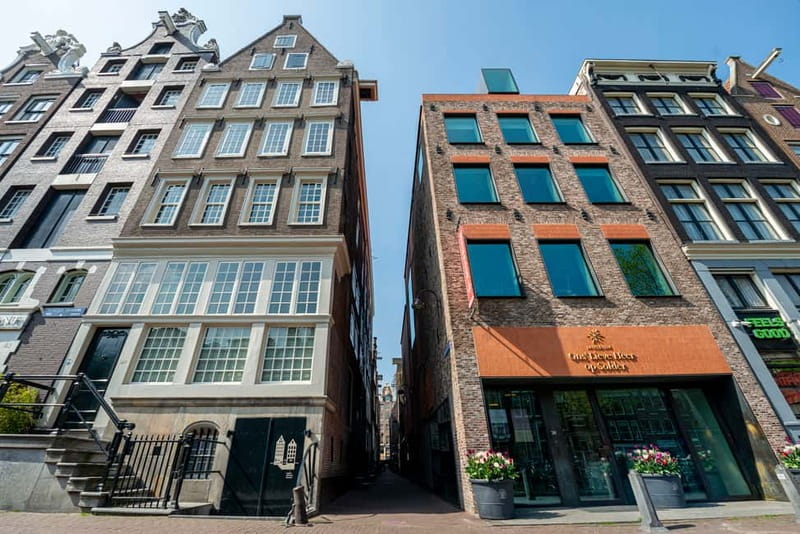
Reviewed · MUSEUM TOURS IN AMSTERDAM
Amsterdam: Our Lord in the Attic Museum Entry Ticket
A secret church awaits upstairs. At Our Lord in the Attic, Ons’ Lieve Heer op Solder, you step through a 17th-century Amsterdam canal house that hides a full Catholic house church in the attic. It is a rare mix of architecture, religion history, and everyday domestic life packed into narrow hallways and real rooms.
I especially love how the museum makes the story feel physical. You move through living spaces, kitchens, and rooms that still read like a home, then you reach the sudden, astonishing attic sanctuary. The included audio guide also does a lot of heavy lifting, explaining the clandestine church idea and the Dutch tradition of tolerance without turning it into a lecture.
One thing to consider: this is a vertical museum. If stairs and tight corridors make you slow down, or if you book a late entry, you may feel a bit rushed near closing time.
In This Review
- Key things to know before you go
- Where Ons’ Lieve Heer op Solder really happens: the canal house experience
- From the entrance to the narrow stairs: what your walk teaches you
- The rooms below the attic: living quarters, kitchen spaces, and bedstead
- The attic church: why the highlight feels so intense
- Learning Dutch tolerance policy without turning it political
- Timing your visit: hours, closing, and how long it takes
- Audio guide strategy: make it feel like a story, not a checklist
- Price and value: is $21 worth it in central Amsterdam?
- Practical details that can trip you up
- Who should book Ons’ Lieve Heer op Solder?
- Should you book this museum?
- FAQ
- Where is the Our Lord in the Attic Museum meeting point?
- What is included with the entry ticket?
- How long should I plan for this visit?
- What languages are available for the audio guide?
- When is the museum open?
- Is the museum closed on holidays?
- Is luggage allowed?
- How long is the ticket valid?
Key things to know before you go
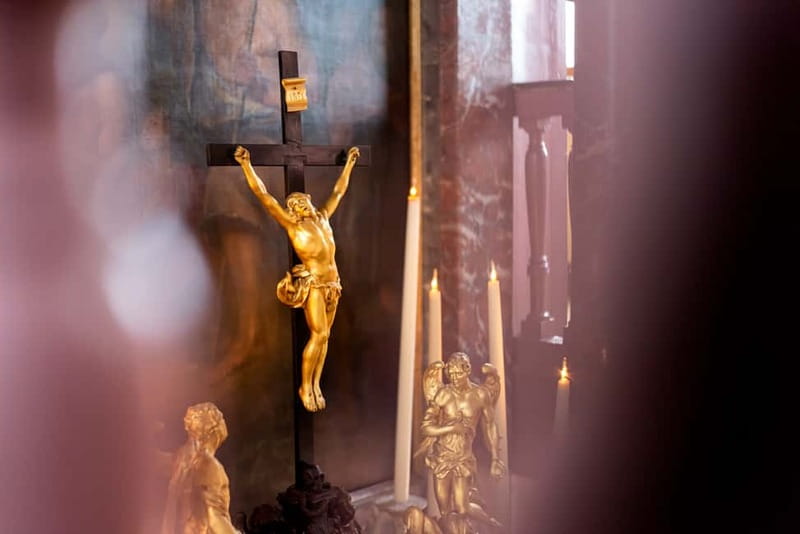
- A full church inside a canal house: you are not just viewing a chapel, you are walking through the building that made it possible.
- A 17th-century home built for hidden worship: the house was built in 1663, when public mass was forbidden.
- The attic is the moment: the main highlight is literally up in the roof space.
- Audio guide in multiple languages: it is included, and it is available in many major languages.
- Time matters with timed entry: the museum closes at set times by day, so plan to arrive early.
Where Ons’ Lieve Heer op Solder really happens: the canal house experience
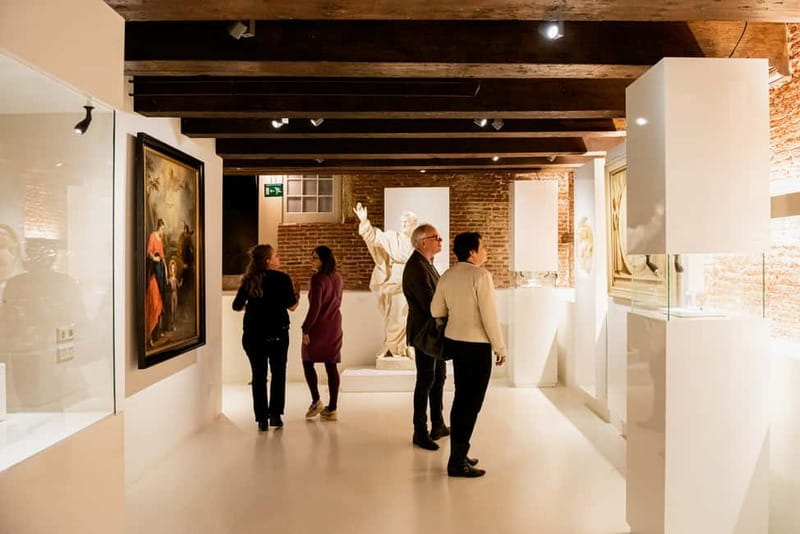
This museum can be easy to miss at first glance. The outside has that classic Amsterdam canal-house look, so you might walk right past it thinking it is just another façade. Then you step inside and the building starts telling a different story, floor by floor.
You enter at Oudezijds Voorburgwal 38, and the museum quickly shifts your thinking. This is not a museum that feels like it sits politely behind glass. It feels like you are touring the inside of a real structure that was built to function, with the worship space hidden in the upper part of the house.
What I like here is the clarity of the concept. You do not need a background in Dutch religious history to understand why the spaces were arranged the way they were. The layout alone does the teaching, and the audio guide fills in the missing dates and context.
More Museum Tours in Amsterdam



From the entrance to the narrow stairs: what your walk teaches you
After you get your ticket and audio guide, you start moving through rooms connected by narrow corridors and staircases. That physical friction is part of the design. It forces you to slow down and pay attention to how people could move and gather discreetly in a very confined footprint.
The museum is set in a former Catholic house of worship that was built over three floors of a canal house from 1663. In that period, celebrating Mass in public was forbidden. That rule shaped everything, including how the house could remain believable from the street and still serve as a place for worship inside.
As you climb, you see how the building’s domestic life and its religious purpose were stitched together. You are not going from a grand entrance into a grand sanctuary. You are moving from everyday spaces up into something quietly extraordinary.
The rooms below the attic: living quarters, kitchen spaces, and bedstead
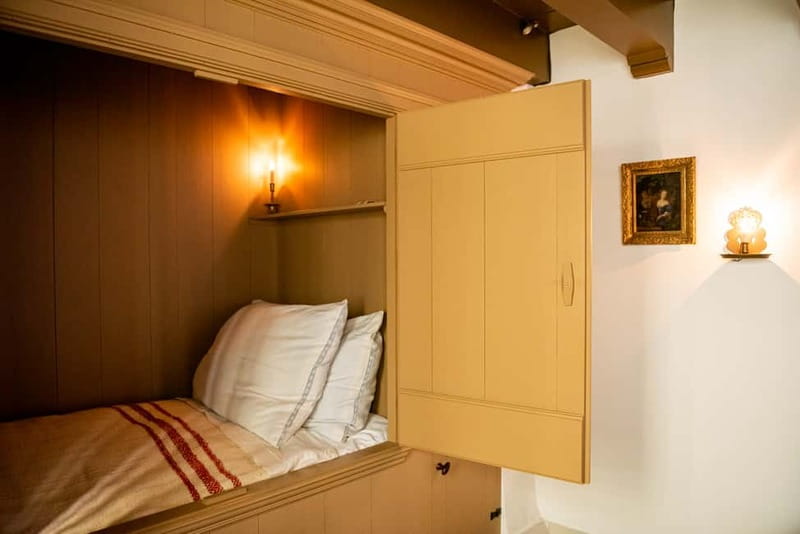
The middle floors are where the museum earns your attention before you ever reach the church. You will find historically decorated areas that read like ordinary rooms of the era: living quarters, a kitchen space, and even a bedstead. These details matter because they stop the story from becoming purely symbolic.
I think the best part is the sense of continuity. The building does not treat faith as separate from daily life. Instead, it shows how worship fit into the same walls where people lived and slept.
This is also where you get a feel for the “clandestine churches” idea in Amsterdam. The museum connects the secrecy of worship to the reality of home living. That context helps you understand why people could not simply build a normal church on a normal street and call it a day.
Also, these rooms make great photo stops, but do it respectfully. Some spaces are narrow, and people move through slowly since the layout is vertical.
The attic church: why the highlight feels so intense
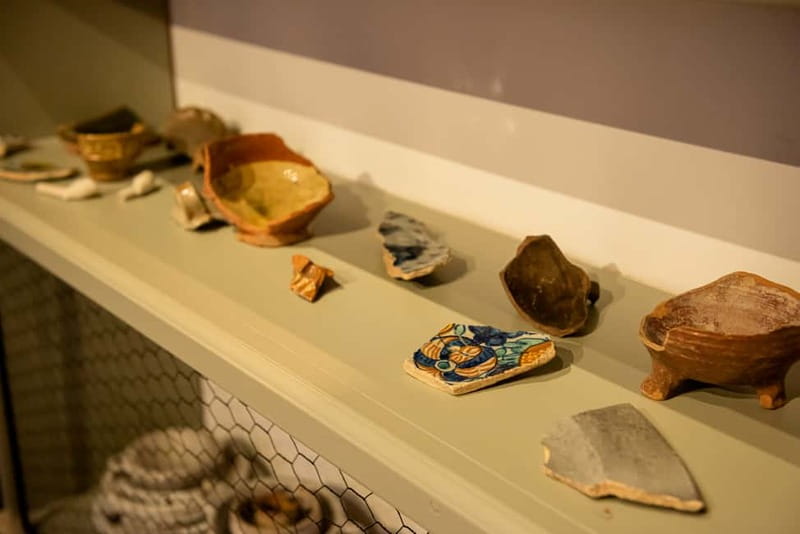
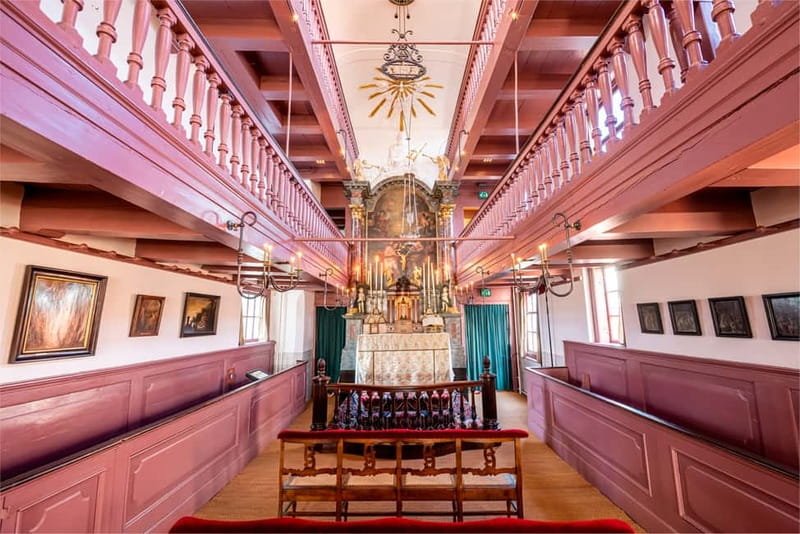
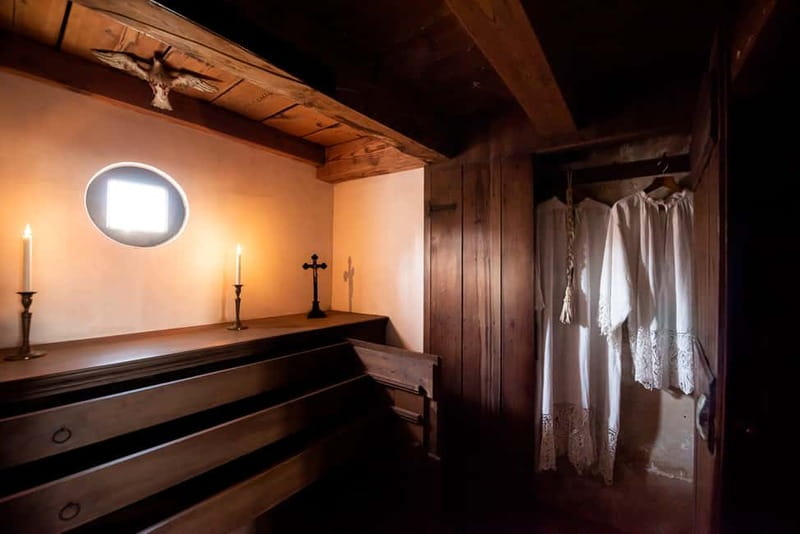
Then you reach the museum’s signature moment: the complete church hidden in the attic. It is the kind of reveal that works even if you already know the concept. The sensation comes from scale and placement. The space feels like a church, but it is squeezed into a canal house shell that would never suggest it from the outside.
This is where you really understand why the museum is called Our Lord in the Attic. The roof space is not decorative. It is the real worship area, built and shaped to make religious gatherings possible despite restrictions.
One detail I would pay attention to while you are there: the way the church’s height and interior arrangement are created within the constraints of the building. The museum makes clear that turning an attic into a functioning church required serious craft, not just a clever disguise.
If you like places where design solves a real problem, this section will stick with you. If you are sensitive to tight indoor spaces, you might find yourself taking short breaks, but the payoff is the emotional shock of the reveal.
Learning Dutch tolerance policy without turning it political
The museum’s topic is faith under pressure, but it is framed through Amsterdam’s broader religious tolerance story. You are guided toward a clear idea: the Netherlands developed a culture where different faiths could exist even when public worship rules were complicated.
That might sound abstract until you experience the building. The museum shows you how tolerance worked in practice. It was not just an idea on paper. It was reflected in how people found ways to worship, how buildings changed over time, and how private life intersected with public restrictions.
In the audio guide, you also get the timeline behind how this specific building stayed alive. After it fell into disuse when the Church of St Nicholas opened on Prins Hendrikkade, private collectors bought the building and helped preserve its Catholic heritage. So you are touring not only the past, but also the effort to keep that past from vanishing.
More museum halls off the squares:
- Amsterdam: Van Gogh Museum Ticket and City Canal Cruise
★ 4.6 · 3,899 reviews - Amsterdam: Van Gogh Museum Ticket & Canal Cruise
★ 4.5 · 3,304 reviews - Amsterdam: NEMO Science Museum Ticket
★ 4.4 · 2,979 reviews - Van Gogh Museum Amsterdam Exclusive Tour w/ Reserved Entry
★ 5.0 · 1,760 reviews
Timing your visit: hours, closing, and how long it takes
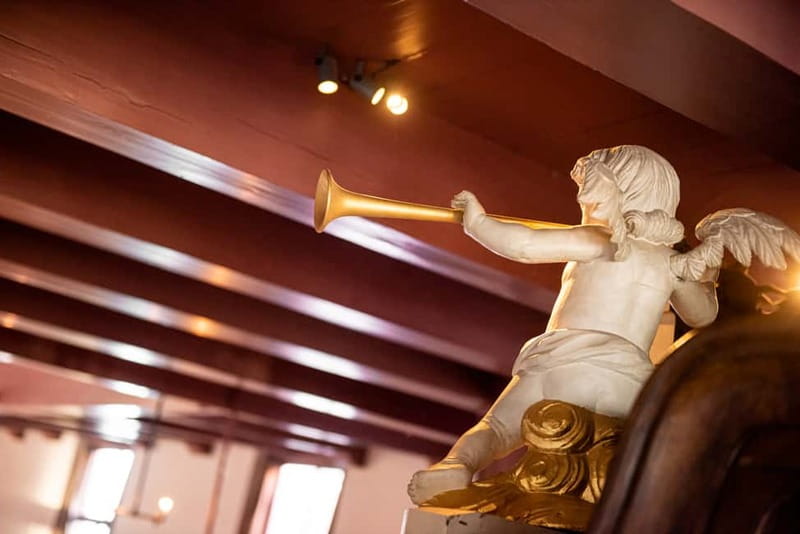
The museum is open:
- Monday to Friday: 10:00 to 17:00
- Saturday: 10:00 to 18:00
- Sunday: 13:00 to 17:00
It is closed on some public holidays, including Koningsdag (Kings Day).
Plan for about 1 to 1.5 hours if you are reading key parts and moving at a steady pace. If you linger, especially in the attic church, you might stretch longer. The building is vertical, so even when you are trying to rush, you still spend time navigating stairs and narrow sections.
Here is my practical advice: if you have a later timeslot, arrive early anyway. The museum operates with set closing times, and timing rules can feel strict when they are busy. Giving yourself a cushion means you get the attic church moment without sprinting.
Also note that the museum sometimes closes on holidays. If your Amsterdam weekend includes Kings Day, double check dates before you commit.
Audio guide strategy: make it feel like a story, not a checklist
The ticket includes an audio guide. You can choose from Dutch, English, French, German, Italian, Russian, Spanish, Chinese, and Portuguese. That language range matters here because the museum is dense with context, and the audio really connects the room details to what they meant.
I like using audio in stages:
- Start with the first rooms just to understand the house layout.
- Then, when you begin climbing toward the church, listen more closely to the restrictions and clandestine worship angle.
- Finally, in the attic church, switch to slower listening. Let the space sink in.
Some audio guides include little extra choices. You might see options to trigger additional segments by pressing A or B. If your device shows prompts like that, use them. It can be a fast way to customize how much detail you want.
Don’t ignore the audio just because it is self-guided. Without it, the rooms might still be beautiful, but you could miss the why behind the arrangement. With it, the museum becomes clearer and more memorable.
Price and value: is $21 worth it in central Amsterdam?
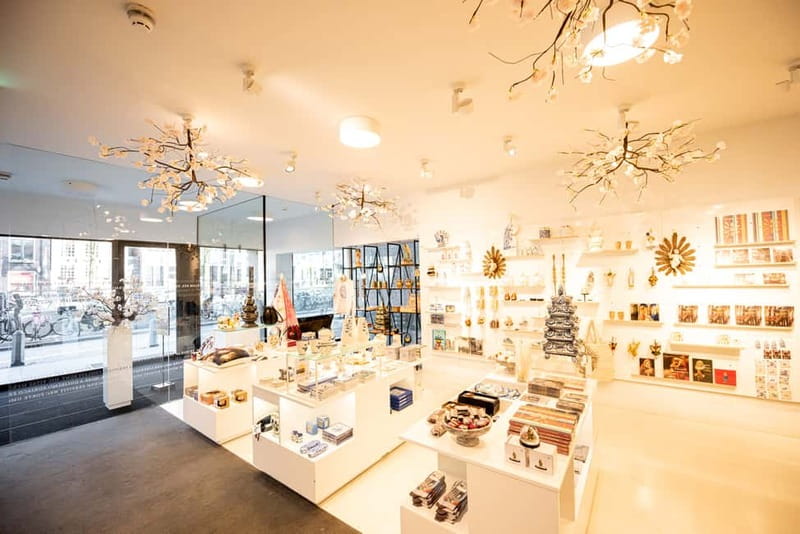
At about $21 per person, this museum is priced like a focused, special-interest attraction. You are not paying for a huge sprawling site. You are paying for a very specific, rare experience.
Here is the value logic:
- The museum preserves a rare canal house church setup you cannot easily replicate elsewhere.
- You get an included audio guide, in many languages, so you are not locked into a single way of understanding it.
- The experience is compact, which is great if you already plan to see multiple Amsterdam highlights in one day.
I do think this is a good buy if you enjoy history with physical details. If you prefer museums that offer broad collections across many eras, you might feel this is too narrow in scope. But if you want one story that feels unusually real, this ticket feels fair.
Also, it has strong quality signals, with an overall rating of 4.8 out of 5 from 217 reviews based on the info provided.
Practical details that can trip you up
Two practical points matter more than you might expect.
First, plan around luggage. Oversize luggage is not allowed. If you are traveling with a big bag, consider using lockers or carrying something smaller.
Second, remember the building is narrow and vertical. That means it is not the kind of museum where you can easily skip ahead and come back. If you need slow pacing, build in time.
If you are coming during the peak hours, think about walking in with a calm plan. It is easy to feel packed in once you are partway up the stairs. A relaxed pace helps the experience feel thoughtful, not crowded.
Who should book Ons’ Lieve Heer op Solder?
You will like this if you enjoy:
- Amsterdam canal houses and want to see one that has a hidden story
- architecture and interior spaces with constraints
- religious history that is explained through real buildings, not just plaques
- travel that mixes the daily with the surprising
It is also a strong choice for anyone who likes experiences that are different from the usual “big museum circuit.” The attic church is the headline, but the in-between rooms make it feel like a complete place, not a single-room attraction.
If you dislike stairs or very tight interiors, you might want to reconsider or at least prepare yourself for the vertical layout.
Should you book this museum?
Yes, I recommend booking if you want a meaningful, compact Amsterdam experience with a clear payoff. The hidden attic church is the moment, and the museum makes it believable by showing the domestic spaces that supported clandestine worship.
Book it if you:
- like detailed context that a good audio guide can deliver
- want to see something genuinely unusual in the city center
- prefer a focused visit around an hour or two rather than a full-day commitment
Skip it only if you strongly prefer large collections, step-free layouts, or very roomy museums. Otherwise, this is one of those Amsterdam stops that changes the way you think about everyday buildings, especially once you understand what was hidden behind a normal door.
FAQ
Where is the Our Lord in the Attic Museum meeting point?
The meeting point is Oudezijds Voorburgwal 38, Amsterdam.
What is included with the entry ticket?
Your ticket includes entrance to the Our Lord in the Attic Museum and an audio guide.
How long should I plan for this visit?
The experience is listed as 1 day, and based on typical visit pacing, you should plan about 1 to 1.5 hours to see the house and the attic church at a comfortable speed.
What languages are available for the audio guide?
The audio guide is available in Dutch, English, French, German, Italian, Russian, Spanish, Chinese, and Portuguese.
When is the museum open?
It is open 10:00 to 17:00 Monday to Friday, 10:00 to 18:00 on Saturday, and 13:00 to 17:00 on Sundays.
Is the museum closed on holidays?
Yes. It is closed on some public holidays, including Koningsdag (Kings Day).
Is luggage allowed?
Oversize luggage is not allowed.
How long is the ticket valid?
The ticket is valid for 1 day. You should check starting times based on availability.
Latest to arrive along the quays of Amsterdam





Museum Tours in Amsterdam, compared.



Amsterdam’s Weirdest Museum: Ripley’s Believe It or Not!
Read our review →



Van Gogh Museum Amsterdam Exclusive Tour w/ Reserved Entry
Read our review →
Moco Museum Amsterdam Admission Ticket with Banksy and more
Read our review →Browse the lists this tour appears in