
Reviewed · ANNE FRANK & JEWISH HERITAGE TOURS
Amsterdam: National Holocaust Museum Entry Ticket
This is history you can feel in your bones. The National Holocaust Museum in Amsterdam lays out the story of Dutch Jewish persecution with artifacts, recognizable faces, and strong interactive exhibits like holograms. I love that it is set in the Hervormde Kweekschool, the actual building tied to deportations, so the lessons land harder. I also love the way it connects daily life before the war to what came after, then explains how Dutch memory keeps dealing with it. A heads-up: the content is intense and there’s a lot of it, so you may feel overwhelmed if you try to rush.
I especially appreciate the museum’s insistence on clarity. You’ll see how Nazis used the adjacent daycare as a gathering and deportation point for Jewish children, and you’ll learn about Henriëtte Pimentel, who helped hundreds escape. The exhibits focus on real people, not vague numbers, which makes the tragedy more human and harder to dismiss. One possible drawback: some hands-on or display setups can be visually tricky, like glass cases that reflect light, which can make details harder to spot.
If you want, you can also pair it with another site. The ticket includes entry to the Hollandsche Schouwburg National Holocaust Memorial, so your visit doesn’t end when the museum tour finishes. Consider planning extra time, because the museum can run late into your day depending on crowds and pacing.
In This Review
- Key things to know before you go
- A museum in the Hervormde Kweekschool, where the walls remember
- Ticket value: what you pay for at the National Holocaust Museum
- How long you should plan: don’t try to conquer it in one hour
- The museum’s core story: from equal rights to systematic murder
- Hervormde Kweekschool details: deportation and a daycare used as a choke point
- Interactive holograms and audio guidance: powerful, but plan for mental load
- Artifacts that stick with you: suitcases, portraits, and the problem with reflective glass
- Managing emotion: how to take it in without zoning out
- Pair it with Hollandsche Schouwburg: why the second entry matters
- Photography, behavior, and other on-site practicalities
- Who should book this ticket, and who might want a different pace
- Should you book the National Holocaust Museum ticket?
- FAQ
- Where is the meeting point for this experience?
- How much does the National Holocaust Museum entry ticket cost?
- What is the ticket duration or validity period?
- What attractions are included with the ticket?
- Is the museum wheelchair accessible?
- Can I take photos inside the museum?
- How long should I plan to spend at the museum?
- Is there interactive or guided content inside?
- Can I get a full refund if I cancel?
- Is there a pay-later option?
Key things to know before you go
- A museum in the Hervormde Kweekschool: you’re learning in a building tied to what happened to children.
- Henriëtte Pimentel’s story: the museum connects rescue efforts to the deportation process.
- Daily life before the war: you’ll see how Jews and non-Jews lived with equal rights before the occupation.
- Interactive holograms and audio support: you can ask questions, but the info load can be heavy.
- Artifacts and recognizable faces: the museum pushes past statistics into individual lives.
- Included Hollandsche Schouwburg ticket: you get a second Holocaust-related stop without buying a separate entry.
A museum in the Hervormde Kweekschool, where the walls remember
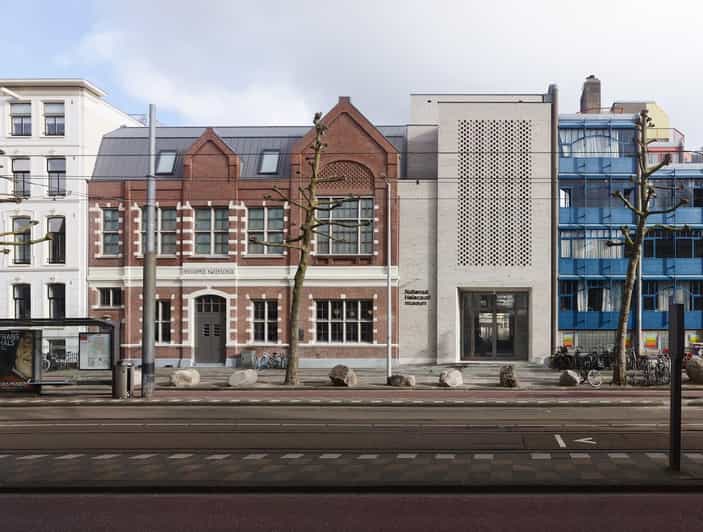
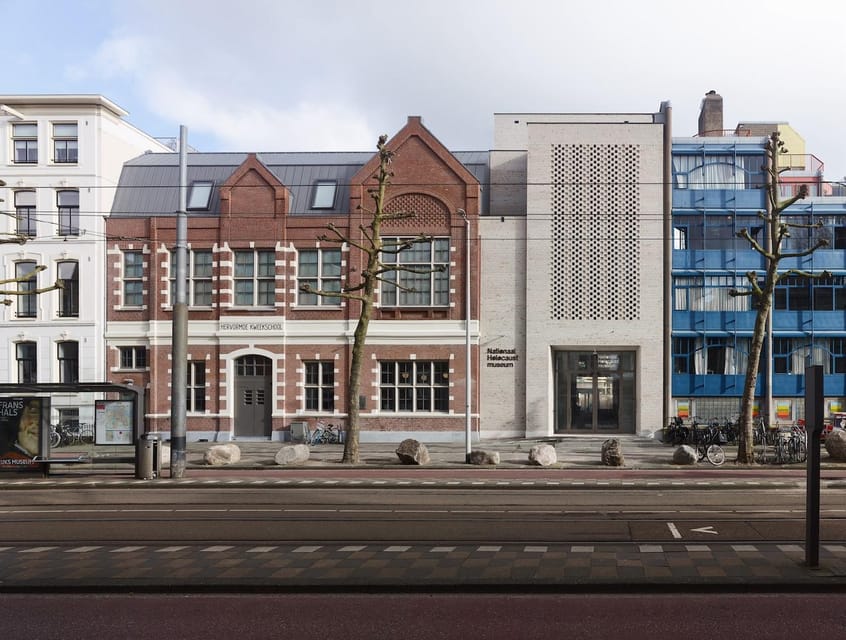
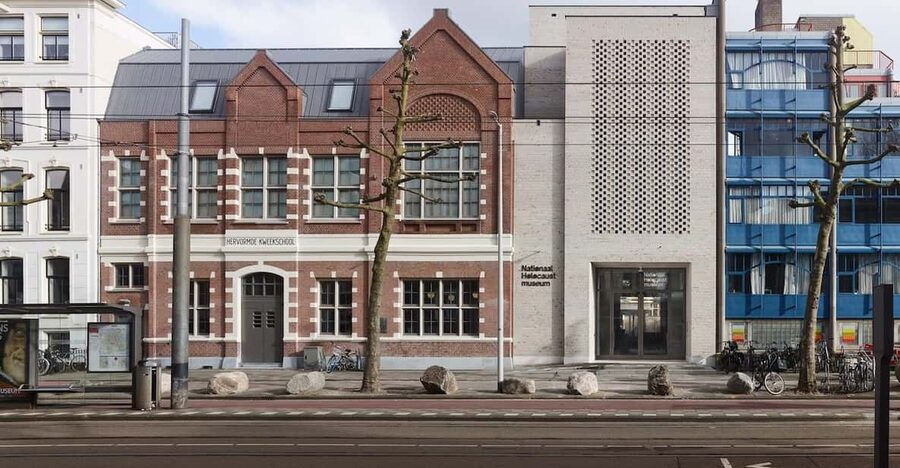
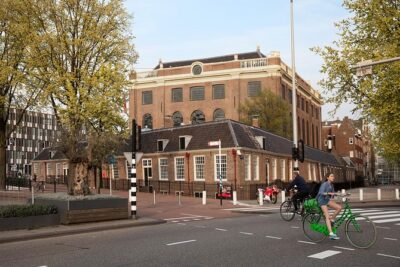
Amsterdam’s National Holocaust Museum is not just a “collection in a building.” It’s in the former Hervormde Kweekschool, a historical school where hundreds of children were deported, and where some children were saved. Standing in a place tied to that machinery of persecution gives the exhibits an extra layer of weight.
What makes this location matter is the way the museum uses it to explain a process, not just a period. You learn how the Nazis turned ordinary systems into checkpoints and corridors toward deportation. The museum doesn’t treat the past like a distant tragedy. It shows you the steps, the spaces, and the consequences.
More Museum Tours in Amsterdam



Ticket value: what you pay for at the National Holocaust Museum
The price is $24 per person, and the value is stronger than it looks at first glance because your ticket isn’t only for one room. Entry covers the National Holocaust Museum, and it also includes a ticket to the Hollandsche Schouwburg National Holocaust Memorial.
That second entry matters for two reasons. First, it gives you a chance to keep building context after the main museum visit. Second, it turns a single-time museum stop into a fuller, two-site experience with less pressure to “see everything” in one sitting.
If you like your history with structure, this ticket setup is practical. You can start in the museum, take your time through the exhibits, and then visit the memorial when your brain is ready to keep going.
How long you should plan: don’t try to conquer it in one hour
Even when you have an entry ticket, pacing is everything here. Plan for at least a half-day, and if you read labels carefully, lean toward longer. The museum is dense, and people have described it as emotionally heavy and information-heavy in the best way, meaning it can be mentally tiring.
I recommend you treat your visit like a slow walk through a chain of rooms that each add a piece. If you rush, you’ll miss the way the exhibits build from daily life to occupation to deportations to how the Holocaust is handled in Dutch national memory.
There’s also a practical reality: closing time can be tight. If you’re the type who pauses often to read or re-read, you’ll want a buffer so the last rooms aren’t a scramble.
The museum’s core story: from equal rights to systematic murder
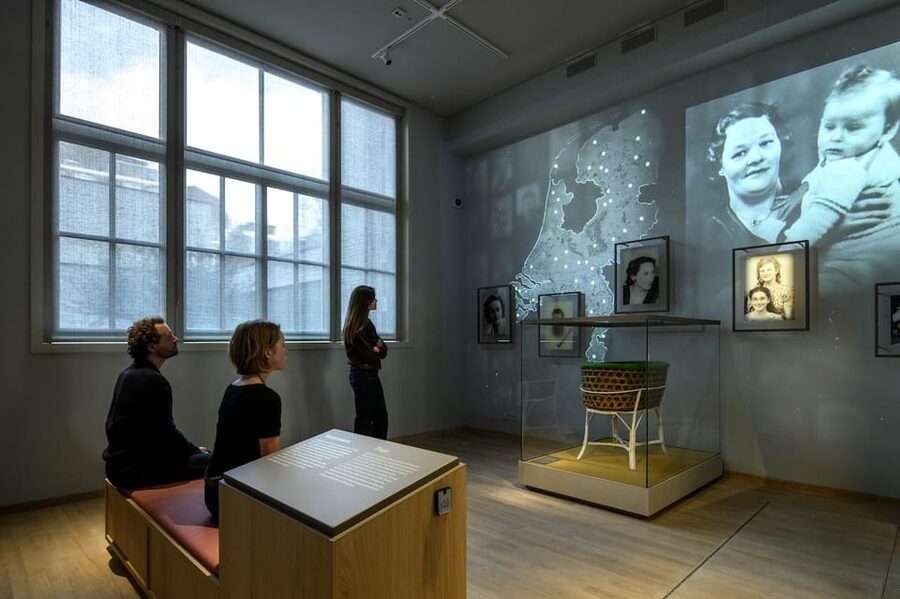
One of the museum’s most important choices is how it frames the era before the war. You see that Jews and non-Jews lived side by side with the same rights before World War Two. That baseline is not filler. It’s there so you understand how shocking the later shift was, and how quickly society can change when a regime decides to erase people.
Then the museum tracks what the Nazis did under occupation. You’ll learn about the Holocaust, also known as the Shoah, and the scale is explained in plain terms, including that about six million Jews were murdered in Europe. The Dutch part of that story hits especially hard: around three-quarters of the Jewish population in the Netherlands were killed.
The museum also presents this history without softening it. Instead of hiding behind abstraction, it gives victims recognizable faces. That choice makes the tragedy harder to turn into a checklist.
Hervormde Kweekschool details: deportation and a daycare used as a choke point
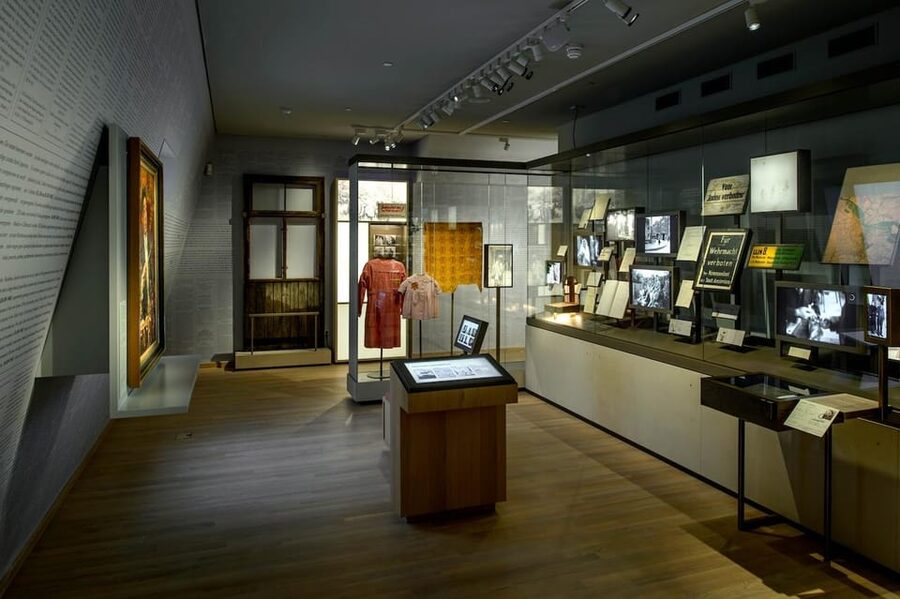
This museum gets its power from specific, place-based explanations. You’ll learn that Nazis used the adjacent daycare as a gathering and deportation point for Jewish children. That’s not a vague “there were camps” statement. It’s a concrete use of nearby space.
From there, the story connects to rescue efforts through Henriëtte Pimentel, the director who helped hundreds of children escape, including through the Kweekschool. I find that detail crucial because it stops the story from being only about victims. The museum still shows the brutality, but it also documents human action inside a system designed to crush it.
If you want the visit to hit you in the right order, aim to focus on these sections early. When you understand what that building was used for, every artifact later feels more anchored.
Other Anne Frank House and Jewish heritage visits:
- Amsterdam Anne Frank: Small-Group Walking Tour & Local Guide
★ 4.8 · 12,789 reviews - Anne Frank’s Story – Guided Walking Tour through Amsterdam
★ 5.0 · 11,619 reviews - Amsterdam: Anne Frank Guided Walking Tour in DE/EN/IT/ES
★ 4.9 · 3,107 reviews - Amsterdam: Anne Frank Guided Small Group Walking Tour
★ 4.8 · 2,722 reviews
Interactive holograms and audio guidance: powerful, but plan for mental load
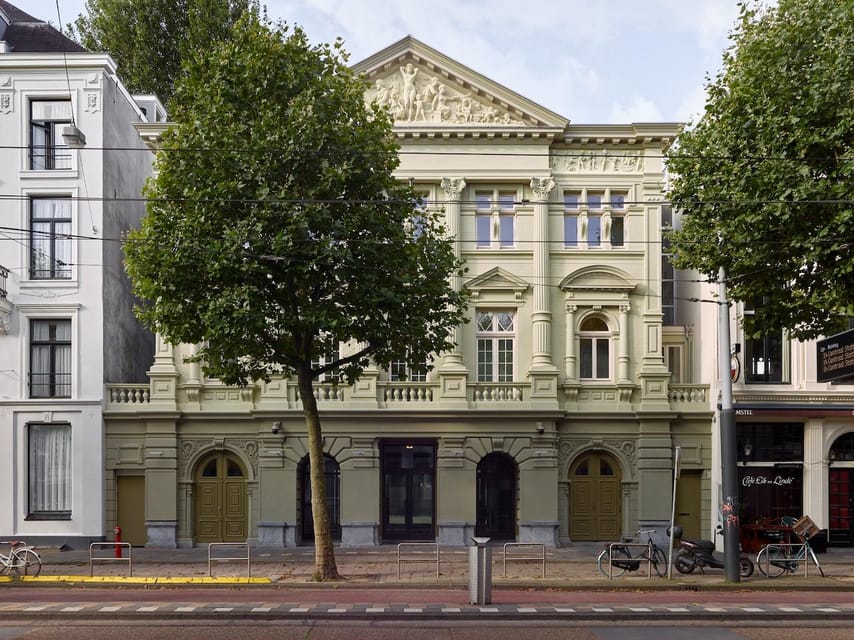
The museum includes interactive holograms where you can ask questions and get answers. That kind of interaction is a real improvement over standard museum text because it lets you steer your questions. It also helps if you learn best by asking why, not just reading what.
At the same time, the museum can feel like it has a lot coming at you at once. One common experience is that the amount of information can be close to overwhelming, even if the exhibits are excellent. If that happens to you, the solution is simple: slow down, take breaks, and don’t try to swallow every room in one go.
Audio support also shows up in the experience. People have described an audio guide as very informative and useful for moving through the museum’s structure. One practical note from past visitors: some electronic guidance can switch to Dutch instead of staying in English. If you rely on English narration, expect that possibility and use it as a reason to pause and read labels when needed.
Artifacts that stick with you: suitcases, portraits, and the problem with reflective glass
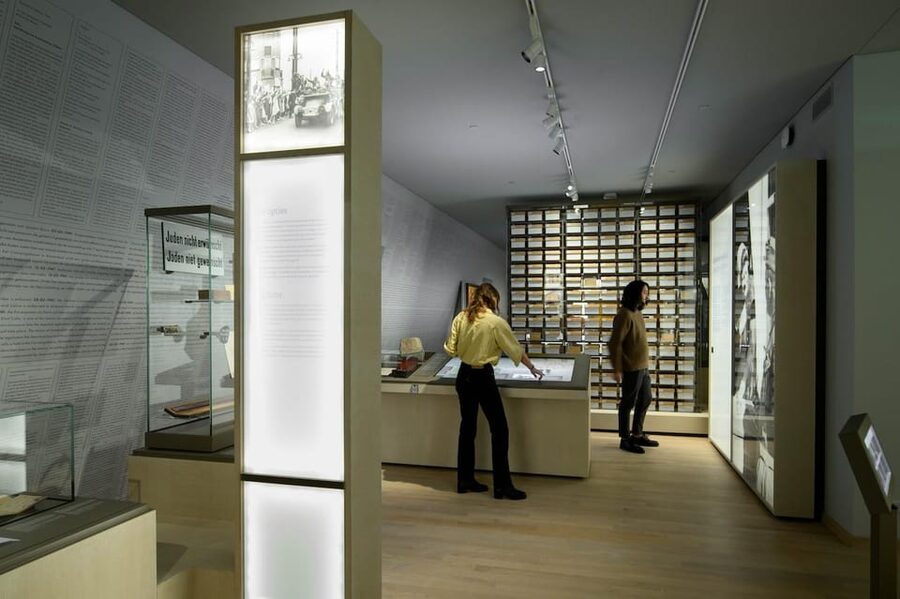
Museums often show “things.” This one shows things that symbolize people. You’ll encounter items like suitcases and portraits, plus display elements that help you connect names to objects. It’s the kind of exhibit that makes you stop walking.
There is a small catch. Some exhibit cases use glass that reflects light, which can make it hard to see details clearly. If you’re sensitive to glare or you wear glasses that pick up reflections, consider changing your angle when you approach glass cabinets. Sometimes a few steps sideways turns a blurry view into a readable one.
None of this changes the importance of what you’re seeing. It just means you might need to work slightly harder to catch every label and photo.
Managing emotion: how to take it in without zoning out
This is not a casual museum outing. The subject matter is deeply emotional, and many visitors describe it as moving and sobering. That reaction makes sense, because the museum doesn’t only explain events, it shows how lives were shaped and destroyed.
Here’s how I’d manage it so you leave with understanding, not numbness:
1) Read the basics first, then return to what shakes you.
2) If a room feels too intense, take a short pause instead of forcing through.
3) Use the museum’s structure. If an exhibit moves from daily life to occupation to deportations, respect that sequence.
A good sign you’re doing it right is when you feel your understanding becoming more precise, not just more sad.
Pair it with Hollandsche Schouwburg: why the second entry matters
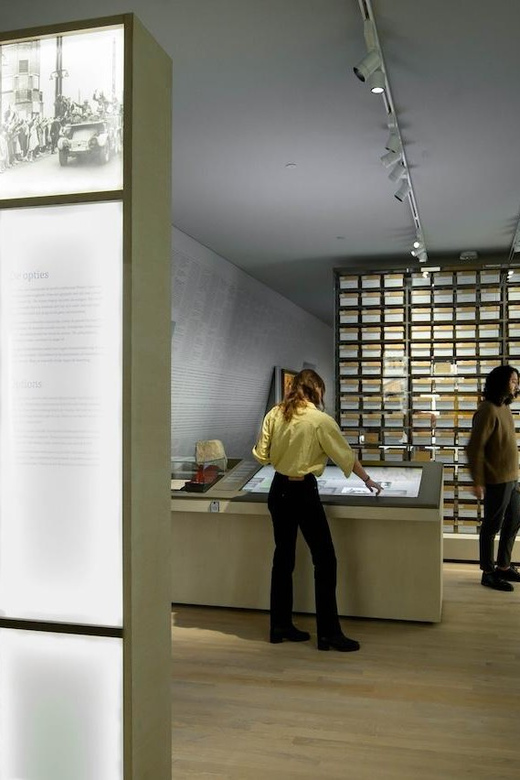
Your ticket also includes entry to the Hollandsche Schouwburg National Holocaust Memorial. Even if you only spend time there after you’ve finished the museum, it’s still part of the same overall message.
I like this two-stop approach because it reduces the chance of ending your visit with only one kind of takeaway. The National Holocaust Museum gives you context and direct exhibit storytelling, including the role of buildings like the Kweekschool. The Schouwburg memorial then helps reinforce place-based remembrance tied to deportation history in Amsterdam.
Think of it like finishing a story arc. One site explains and documents. The other helps you sit with remembrance.
Photography, behavior, and other on-site practicalities
Photography is allowed, but it comes with a clear expectation: be respectful. That’s easy to follow in a museum built around dignity and memory. If you’re photographing, keep it slow, avoid blocking other people, and skip flash if that’s part of the museum’s rules.
If you want to take notes, bring a small notebook or use your phone for quick keyword reminders. In a museum this heavy, you may not remember every detail later, but keywords help you keep your thoughts organized.
Wheelchair accessibility is listed, so you can plan the visit confidently if mobility is a concern.
Who should book this ticket, and who might want a different pace
This ticket fits you best if you want history with clear structure and strong presentation. It also fits if you appreciate exhibits that focus on identifiable people, not only numbers.
It’s especially good for you if you like museums that explain how persecution worked step by step, including how Nazis used specific nearby spaces like a daycare for gathering and deportation. It’s also a good choice if you want Dutch history in the Holocaust story, including the scale of what happened to the Jewish community in the Netherlands.
If you’re traveling with kids, teens, or anyone who struggles with very heavy material, you can still go, but plan more breaks than you think you need. This is an “ask for help and pace it” kind of visit, not a quick browse.
Should you book the National Holocaust Museum ticket?
Book it if you want a visit that is grounded in real locations, tells the Dutch story clearly, and doesn’t hide behind vague wording. The included second-site ticket to the Hollandsche Schouwburg memorial adds real value, especially if you like finishing the story across two connected places.
Skip or rethink if you are looking for something light, or if you know you tend to rush through museums and can’t slow down. Here, rushing can turn an important experience into a stressful blur.
If you do book, give yourself a half-day and treat the interactive parts, the audio guidance, and the artifact rooms as separate stops. Your payoff is understanding that feels specific and human.
FAQ
Where is the meeting point for this experience?
The meeting point is listed as National Holocaustmuseum.
How much does the National Holocaust Museum entry ticket cost?
It costs $24 per person.
What is the ticket duration or validity period?
The ticket is valid for 7 days from first activation.
What attractions are included with the ticket?
The ticket includes entry to the National Holocaust Museum and entry to the Hollandsche Schouwburg National Holocaust Memorial.
Is the museum wheelchair accessible?
Yes, the experience is wheelchair accessible.
Can I take photos inside the museum?
Photography is allowed, as long as you are respectful.
How long should I plan to spend at the museum?
Many visitors recommend dedicating about half the day, since there is a lot to see and hear.
Is there interactive or guided content inside?
The museum includes interactive holograms where you can ask questions, and an audio guide is described as very informative.
Can I get a full refund if I cancel?
Yes. Free cancellation is available up to 24 hours in advance for a full refund.
Is there a pay-later option?
Yes. You can reserve now and pay later.
Halls Off the Squares
- Amsterdam: Van Gogh Museum Ticket and City Canal Cruise★ 4.6 · 3,899 reviews
- Amsterdam: Van Gogh Museum Ticket & Canal Cruise★ 4.5 · 3,304 reviews
- Amsterdam: NEMO Science Museum Ticket★ 4.4 · 2,979 reviews
- Van Gogh Museum Amsterdam Exclusive Tour w/ Reserved Entry★ 5.0 · 1,760 reviews
Latest to arrive along the quays of Amsterdam




Anne Frank & Jewish Heritage Tours, compared.
Amsterdam Anne Frank: Small-Group Walking Tour & Local Guide
Read our review →
Anne Frank’s Story – Guided Walking Tour through Amsterdam
Read our review →
Anne Frank Guided Walking Tour in DE/EN/IT/ES
Read our review →
Anne Frank Walking Tour Amsterdam Including Jewish Cultural Quarter
Read our review →
Anne Frank’s Last Walk & See Anne Frank House in Virtual Reality
Read our review →
Anne Frank and Jewish Quarter Amsterdam Private Walking Tour
Read our review →
Anne Frank’s Last Walk & Visit Anne’s House in VR
Read our review →Browse the lists this tour appears in