
Reviewed · VAN GOGH & DUTCH MASTERS MUSEUMS
Amsterdam: Guided Rijksmuseum Tour
Dutch art clicks fast in the Rijksmuseum, especially with skip-the-line entry and a small-group art expert like Steven, but the fixed route means you cannot slow down for extra rooms.
If you want Dutch masterpieces explained in plain language, this 2 hour format is a smart hit of Rembrandt, Vermeer, Frans Hals, and even works connected to Van Gogh and Goya.
One possible drawback: you are not there to linger all day, so you will want to plan extra time if you love museums.
In This Review
- Key takeaways before you go
- Why the 2 hour Rijksmuseum format makes sense
- Meeting the group, then stepping into the Pierre Cuypers building
- The chronological route through Dutch and European painting
- Early influences: Flemish primitives to the next shift
- Dutch Golden Age moments: Rembrandt and Vermeer stops
- Frans Hals, and the bigger European comparison
- What makes the painting highlights actually useful
- More than masterpieces: ceramics, maritime history, and everyday objects
- A look at the Van Gogh Museum building, and why it fits here
- Volendam stroll: colorful houses and a traditional fishing village feel
- Guide experience: why Steven and others make or break the tour
- Group size and pace: what you should plan for
- Price and value: is $35 fair for all of this?
- Practical tips so you enjoy the day more
- Should you book the Amsterdam guided Rijksmuseum tour?
- FAQ
- How long is the Amsterdam Rijksmuseum guided tour?
- What is the price per person?
- Does the tour include skip-the-line museum entrance?
- What languages are available for the live guide?
- How many people are in each tour group?
- Is food and drinks included?
- Is the tour wheelchair accessible?
- What items are not allowed during the tour?
- Can I cancel, and can I reserve without paying right now?
Key takeaways before you go
- Skip-the-line entry saves you time at one of Amsterdam’s most popular museums
- Spanish or English live guide, with a history of art focus
- A chronological route across 15th to 19th century Dutch and European painting
- You get more than paintings, with stop points across ceramics, maritime objects, prints, and more
- A short pairing with the Van Gogh Museum building and a Volendam stroll for that classic village feel
- Max 15 people keeps the tour controlled and easier to follow
Why the 2 hour Rijksmuseum format makes sense
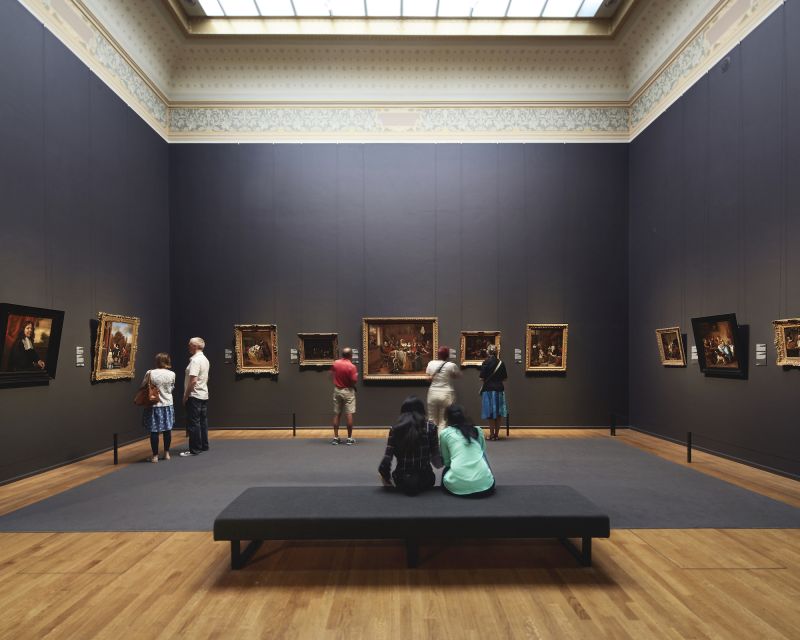
The Rijksmuseum can feel like a whole day mission. This tour turns it into a focused sprint, guided from the earlier roots of Dutch art through the big golden age names you came for. You do not need a museum degree to follow along.
I like that the guide sets up a clear story arc, not a random grab bag of famous canvases. That is the difference between seeing paintings and understanding why they mattered. You will also get a structured path, which helps when the museum crowd level is high.
At the same time, the time limit is real. Expect a curated route, not full exploration. If you want to spend 30 minutes with one painting, you should think about adding separate time later.
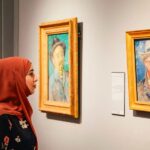
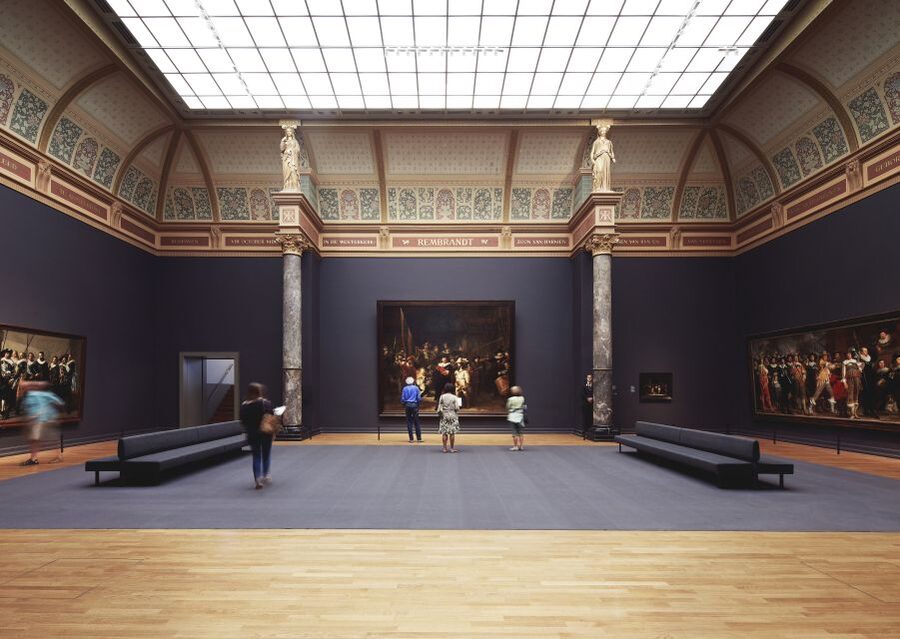
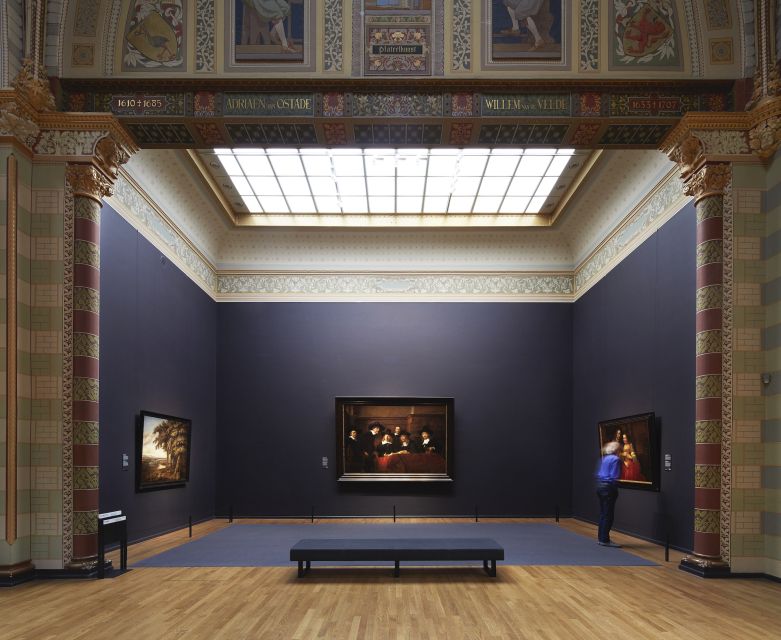
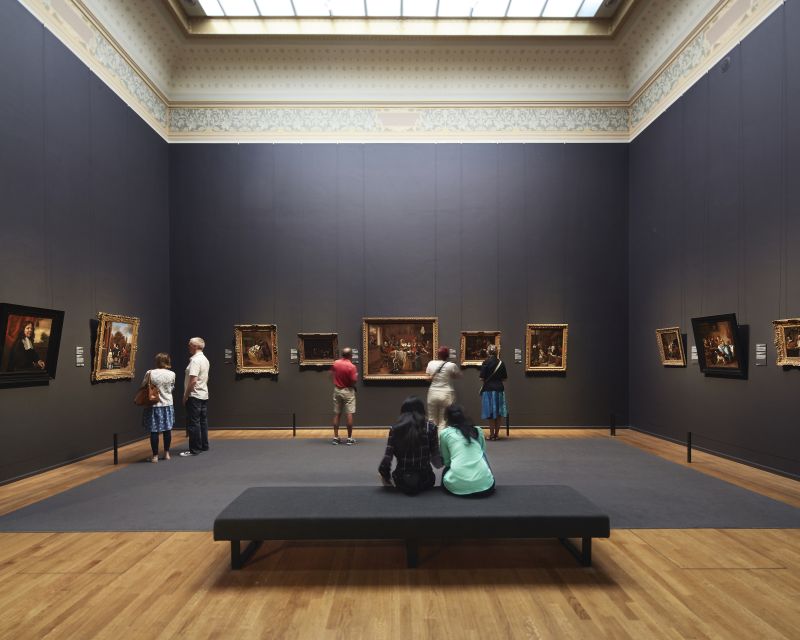
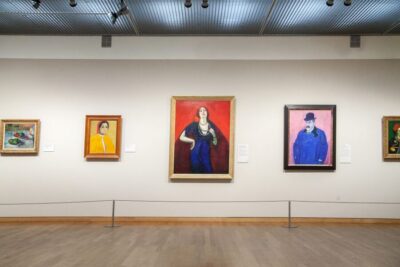
More canvases by the Dutch masters:

Meeting the group, then stepping into the Pierre Cuypers building
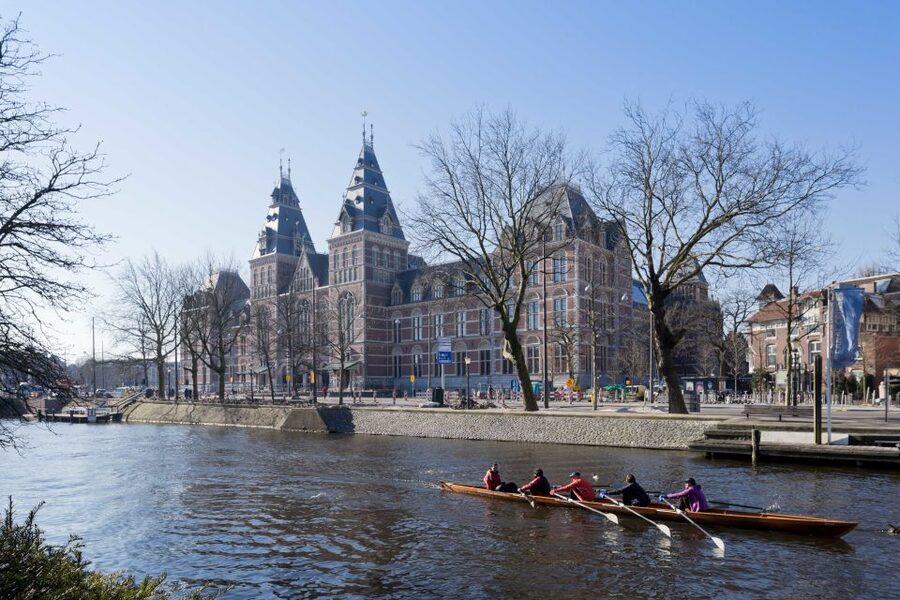
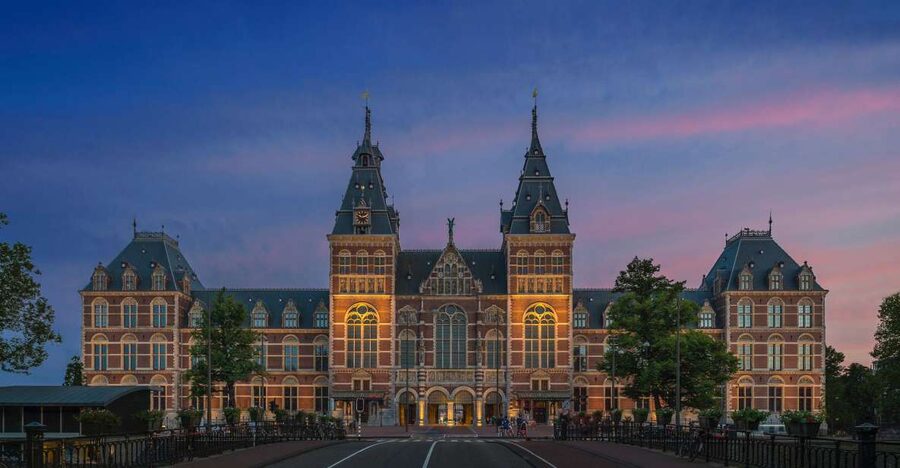
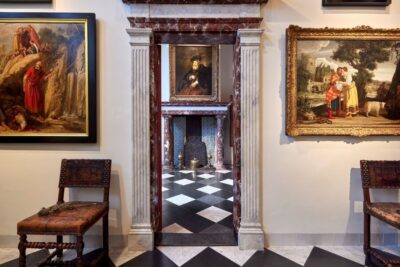
You meet your group at the museum, then head in with a guide who works like a history of art translator. The Rijksmuseum building itself is part of the show, designed by Pierre Cuypers, and the tour points you toward what to notice inside.
This is where a guided visit pays off. People often rush past architecture like it is just a backdrop. Here you get a reason to look at the rooms and the library as part of the museum experience, not just the walls.
Practical note: you cannot bring luggage or large bags, and video recording is not allowed. So pack light and save your phone for photos only if the museum rules permit it.
The chronological route through Dutch and European painting
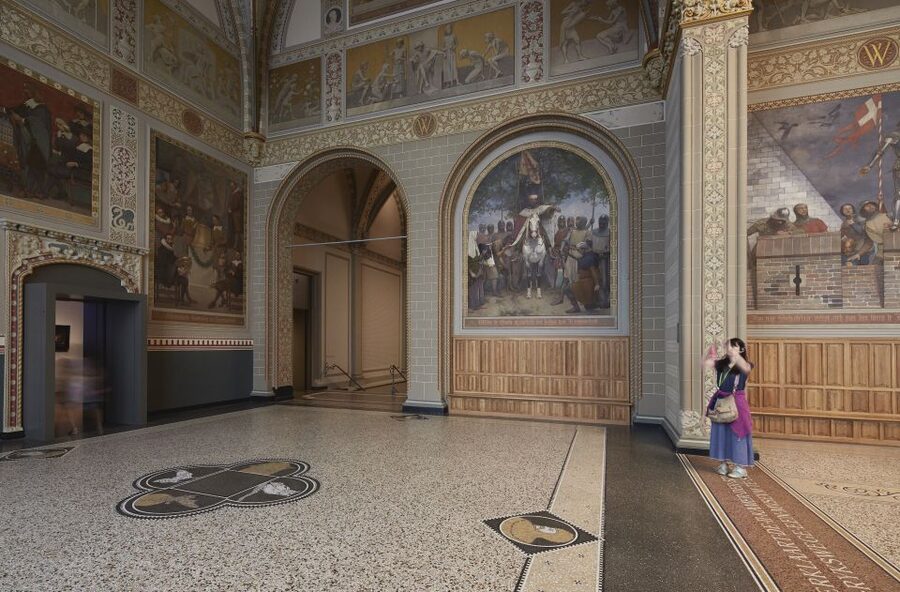
This tour is built around an ordered walkthrough of art development, from earlier Flemish roots into the Dutch masters everyone knows. The guide uses a chronological flow so you can connect styles and themes across time, without getting lost in dates.
Early influences: Flemish primitives to the next shift
You start with works connected to the Flemish primitives, and that helps explain how Dutch painting learned its visual language. It is not abstract. You get the why behind the changes in subject matter, technique, and storytelling.
This part works especially well if you usually skip the first rooms of a museum. It sets up what you will recognize later when the tour reaches the more famous names.
Dutch Golden Age moments: Rembrandt and Vermeer stops
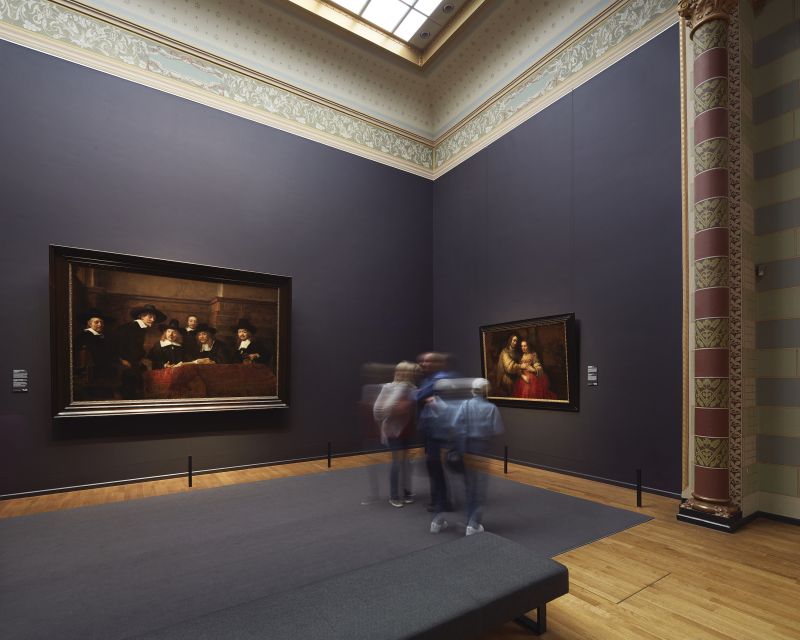
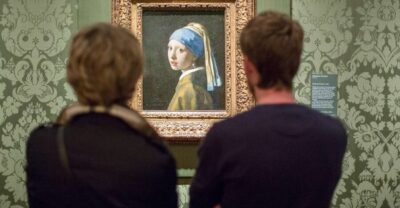
The tour highlights major works like Rembrandt’s Night Watch and Vermeer’s The Milkmaid. Even if you have seen images online, seeing them in person changes the scale and the emotional weight. The guide helps you read the scenes instead of just admiring them.
This is also where the tour stays fun. Rembrandt is dramatic, Vermeer is quietly exacting, and the guide nudges you toward what each artist is doing with light, composition, and daily life. It gives you a way to look at Dutch art beyond fame.
Also flying a pennant in Amsterdam
- Amsterdam: Heineken Experience Ticket including 2 Drinks
★ 4.6 · 36,014 reviews - Amsterdam Classic Saloon Boat Cruise with Drinks and Cheese
★ 5.0 · 31,825 reviews - Amsterdam Luxury Canal Cruise + Unlimited Drinks & Bites option
★ 5.0 · 30,518 reviews - Amsterdam: Classic Saloon Boat Cruise with Cheese & Wine
★ 4.6 · 27,035 reviews
Frans Hals, and the bigger European comparison
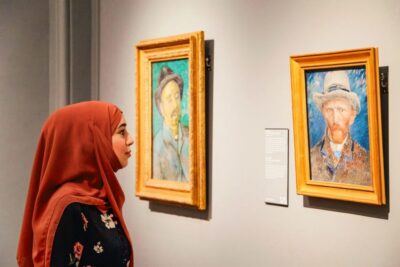
Frans Hals shows up as part of the Dutch painter lineup, often tied to that bold portrait energy people love. Then the tour stretches wider with personal works connected to Van Gogh or Goya.
That European comparison matters because it prevents Dutch art from feeling like a closed island. You can see connections across borders and time periods, which is exactly what makes art history click for first-time museum visitors.
What makes the painting highlights actually useful
Famous titles can turn a guided tour into a checklist. This one aims to do something better: it gives you a way to notice details you would otherwise miss.
I like the approach because it uses a handful of key works as anchors. Once you understand what the guide wants you to watch for, you start applying it to nearby canvases on your own. That means the tour keeps paying off after the group moves on.
The same logic works for the guide’s Spanish or English explanations. You get clear context and a story thread, not a lecture that runs away from you. One feedback point from the experience was that the guide’s passion for the paintings felt contagious, which is the best kind of museum energy.
More than masterpieces: ceramics, maritime history, and everyday objects
The Rijksmuseum is not just paintings, and this tour helps you see why the rest of the collection belongs in the same conversation. Within the guided experience, you are steered toward categories like Delft ceramics, sculptures, archaeological remains, clothing, Asian art, prints, and maritime history objects.
You might wonder why Delft tiles or clothing deserve attention when you came for Rembrandt and Vermeer. The answer is that Dutch culture made art out of daily materials. Ceramics and textiles show the taste of real life. Prints show how ideas traveled. Maritime objects connect art to trade and exploration.
This tour structure makes those sections easier to handle because you do not wander randomly. You get direction on what to look for, then you can keep exploring after.
A look at the Van Gogh Museum building, and why it fits here
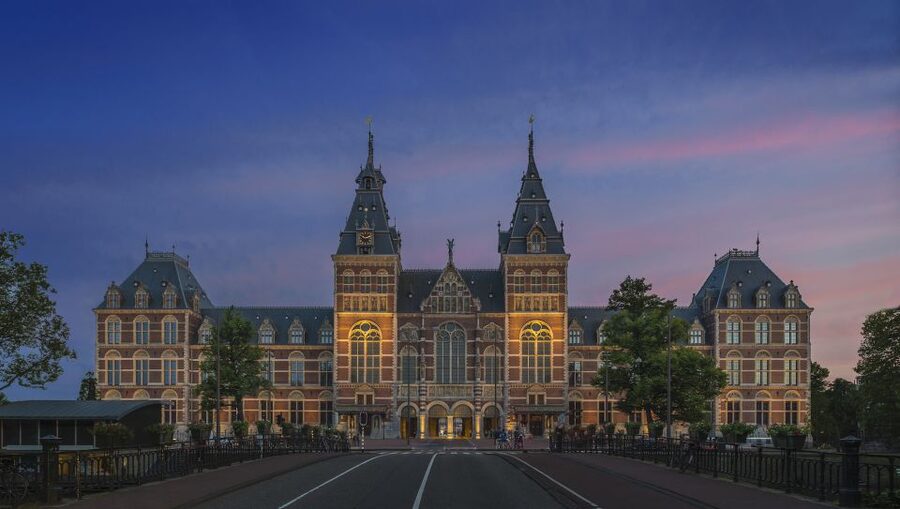
After the main museum highlights, the experience includes time to explore the Van Gogh Museum building. This is a smart pairing. Even if you are not doing the full museum with this ticket, you get the setting and the mood of Van Gogh’s Amsterdam presence.
It also gives you a nice emotional bridge. The Rijksmuseum route goes through Dutch art evolution, and then the Van Gogh stop nudges the story toward later expression and personality-driven work. You leave with a sense of progression, not just a cluster of famous names.
Keep expectations realistic: you will not get a full Van Gogh Museum deep dive based on the information here. You are there for a building visit as part of the broader experience.
Volendam stroll: colorful houses and a traditional fishing village feel
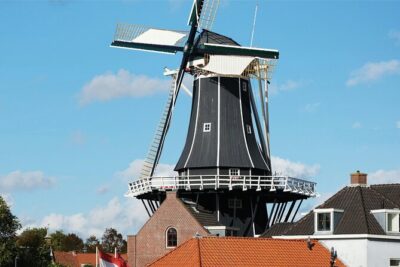
The tour ends with a stroll among the colorful houses of Volendam. This is a different kind of learning, more sensory than scholarly. You get the classic Dutch fishing village look, with its compact street feel and photo-friendly building colors.
This portion is valuable because it breaks up museum fatigue. After standing and looking at paintings, walking through a village streetscape helps your brain reset. It also gives you a cultural contrast to Amsterdam, even if it is a short time block.
Again, it is not presented as a full-day excursion. It is a guided experience add-on, so wear comfortable shoes and be ready for a relaxed walking pace.
Guide experience: why Steven and others make or break the tour
The tour uses a native Spanish-speaking art expert, and the live guide language can also be English. That matters because art history is full of nuance. If the guide can translate that nuance clearly, the whole visit becomes easier to enjoy.
One piece of strong feedback was that the guide Steven was described as very informed, which shows up in the way he can connect artworks to context. Another highlight was that the guide felt sensitive and responsive, which you feel when questions get answered or when the pace adjusts without derailing the route.
You do not need the guide to be theatrical. You need them to be accurate and clear. Based on the tone of the experience feedback, that is exactly what you get.
Group size and pace: what you should plan for
This is capped at a maximum of 15 guests. In practice, that is the sweet spot for a museum tour. Small enough for the guide to manage attention, big enough that you do not feel like you are tied to one person’s pace.
Duration is 2 hours, so the pacing is tight by design. Plan to arrive early enough to get settled and avoid any last-minute stress. If you are prone to museum overthinking, decide ahead of time what you want most: Rembrandt, Vermeer, portraits, architecture, or the non-painting collections.
Also note what is not included: food and drinks. If you are touring at a time when you will normally snack, bring a simple plan. Even a small break helps your energy last the whole 2 hours.
Price and value: is $35 fair for all of this?
$35 for a guided, skip-the-line Rijksmuseum entry plus a focused route is solid value, especially with a small group and a live art expert. You are paying for three things that are hard to DIY quickly: time savings at the entrance, expert interpretation, and an efficient, chronological structure.
The tour is also not limited to paintings in only one wing. You get attention on the museum building, plus you get pointers into ceramics, archaeological remains, clothing, Asian art, prints, and maritime history items. That expands the museum experience beyond the famous walls.
Then there are the added segments, the Van Gogh Museum building visit and the Volendam stroll. Even though these are shorter than a full museum ticket would be, they add variety that makes the overall price feel more complete.
If your goal is to see one or two paintings with no guidance, then a cheaper entry ticket might look tempting. But if your goal is to understand what you are looking at and still see more in less time, $35 is a reasonable deal.
Practical tips so you enjoy the day more
- Wear comfortable shoes, especially with the Volendam walking portion
- Keep bags minimal since luggage or large bags are not allowed
- Save your questions for the guide while the group is near key works, not after you break off
- If you love one artist, plan a second visit day later to linger on your favorites
- Bring your phone for photos only, since video recording is not allowed
One more pacing thought: some people prefer slower museum travel. If that is you, treat this as a first taste. Then follow up on your own with extra time where you want to go deeper.
Should you book the Amsterdam guided Rijksmuseum tour?
Book it if you want a guided Rijksmuseum experience that feels organized, not overwhelming. This is a strong choice for first-timers, art-curious people, and anyone who likes a clear story connecting major Dutch names like Rembrandt and Vermeer with broader European context.
Skip booking only if you want a laid-back, unguided, all-day museum wander. This tour is designed to cover highlights in 2 hours with a curated route. You will likely finish with ideas and curiosity, not with total fatigue.
If you care about having your questions answered and you appreciate a passionate guide, this one is worth your time. Based on the feedback tone, the guide’s enthusiasm and clarity are the standout features, and that is what turns Rijksmuseum from impressive to memorable.
FAQ
How long is the Amsterdam Rijksmuseum guided tour?
The duration is 2 hours.
What is the price per person?
The price is $35 per person.
Does the tour include skip-the-line museum entrance?
Yes, skip-the-line museum entrance is included.
What languages are available for the live guide?
The live tour guide is available in Spanish and English.
How many people are in each tour group?
The tour has a maximum of 15 guests per tour.
Is food and drinks included?
No, food and drinks are not included.
Is the tour wheelchair accessible?
Yes, the tour is wheelchair accessible.
What items are not allowed during the tour?
Luggage or large bags are not allowed, and video recording is not allowed.
Can I cancel, and can I reserve without paying right now?
You can cancel up to 24 hours in advance for a full refund. You can also reserve now and pay later.
Latest to arrive along the quays of Amsterdam




Van Gogh & Dutch Masters Museums, compared.

Van Gogh Museum Amsterdam Exclusive Tour w/ Reserved Entry
Read our review →Browse the lists this tour appears in