
Reviewed · HISTORICAL TOURS
Amsterdam: Financial History Tour
Money makes Amsterdam make sense fast. This Amsterdam Financial History Tour takes you through the city like a detective story, where capitalism is the plot and the streets are the clues. You’ll connect famous buildings to big ideas like the world’s first stock exchange and the first central bank, then watch how that momentum helped shape Amsterdam’s Golden Age.
Two things I like a lot: the way the tour turns serious banking into real, walkable stories, and the star stop, the visit to a 100-year-old bank vault. Our guide, Edgar, was sharp and easy to follow, especially when the stories turned from inventions to shady schemes and money trouble. One thing to consider: it is a solid walking route (about 3 kilometers), so you will want comfortable shoes and a weather-ready outfit.
In This Review
- What Makes This Financial History Tour Feel Different
- Why Amsterdam’s Money Story Works as a Walkable Tour
- Start at Bistro Berlage, then Get Oriented at Beurs van Berlage
- Dam Square as a Landmarker, While the Money Thread Keeps Moving
- VOC and Dutch East India Company: When Amsterdam Went Global
- Old Harbor and the Stock Exchange: Seeing the Trading Center in Real Space
- Stadsbank van Lening Pass-By: Lending Culture, Not Just Landmark Photos
- Amsterdam City Archives Visit: Turning Stories into Evidence
- Grachtengordel Walk: Wealth, Risk, and the Bubble Story
- The 100-Year Bank Vault: The Stop You Will Remember
- Time, Walking, Price, and What You Get for $165
- Language, Pace, and Group Size
- Who Should Book This Amsterdam Financial History Tour
- Should You Book It?
- FAQ
- How long is the Amsterdam Financial History Tour?
- Where does the tour start and where do you finish?
- What is included in the price?
- Is the tour self-guided or guided?
- Is there any food provided?
- Can I cancel, and are there any rules about alcohol?
What Makes This Financial History Tour Feel Different
- Beurs van Berlage, plus the story of how trading got organized in Amsterdam
- The VOC and the first multinational angle, from early global commerce to later corporate power
- A look at the stock exchange’s current location in the old harbor, tied to the city’s trading shift
- Amsterdam City Archives visit, where the 18th-century banking thread gets more concrete
- The 100-year bank vault stop, which is the highlight if you love unusual, behind-the-scenes access
- Big money dramas explained, including a major Dutch bank heist and how WWII was financed
Why Amsterdam’s Money Story Works as a Walkable Tour
Amsterdam can feel like it is all canals, bikes, and museum tickets. This tour flips the lens. Instead of treating finance like a dry subject, it shows money as a system that people built, gamed, and defended. You learn what inventions changed the rules, like the world’s first stock exchange, the first limited company, and the first central bank, and then you see how those changes affected daily life in Amsterdam.
You do not need a background in finance to enjoy it. The guide keeps bringing the story back to the city itself, so even if all you came for was a different way to see Amsterdam, you still get a clear sense of why this place mattered. It also helps that the tour is private, so you can ask follow-up questions as the story turns.
More Golden Age corners on foot:


Start at Bistro Berlage, then Get Oriented at Beurs van Berlage
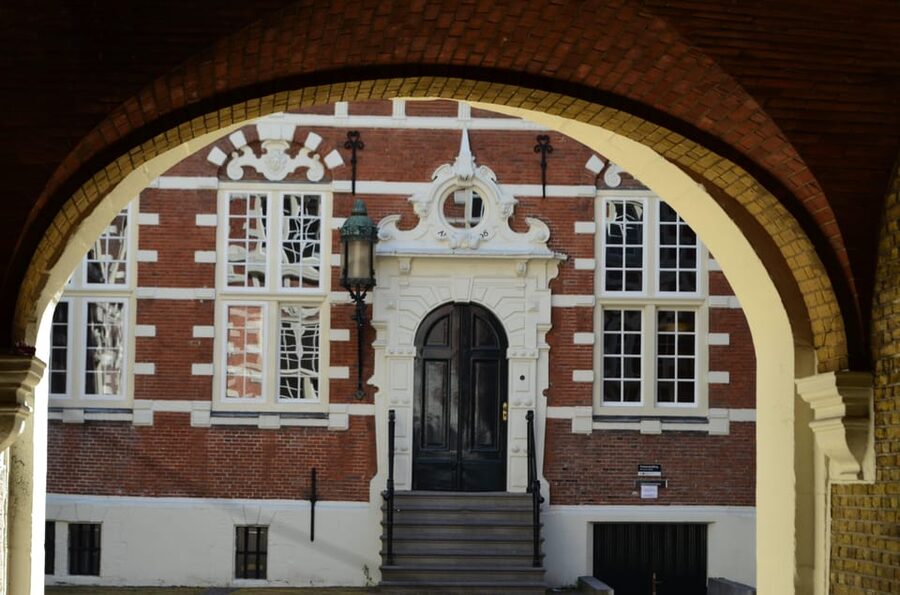
You meet at Bistro Berlage, right in front of the Beurs van Berlage on Beursplein. This is a smart start point because it puts you close to the tour’s main early theme: Amsterdam becoming a serious trading hub. From the first minutes, the guide sets expectations, then you head straight into the Beurs van Berlage with a guided tour.
The Beurs van Berlage stop is valuable because it gives context. You are not just looking at an impressive building. You are learning why the building matters to the broader financial system the tour is tracing. Expect the guide to connect the physical space to the idea of organized trading, and then build outward from there.
Dam Square as a Landmarker, While the Money Thread Keeps Moving
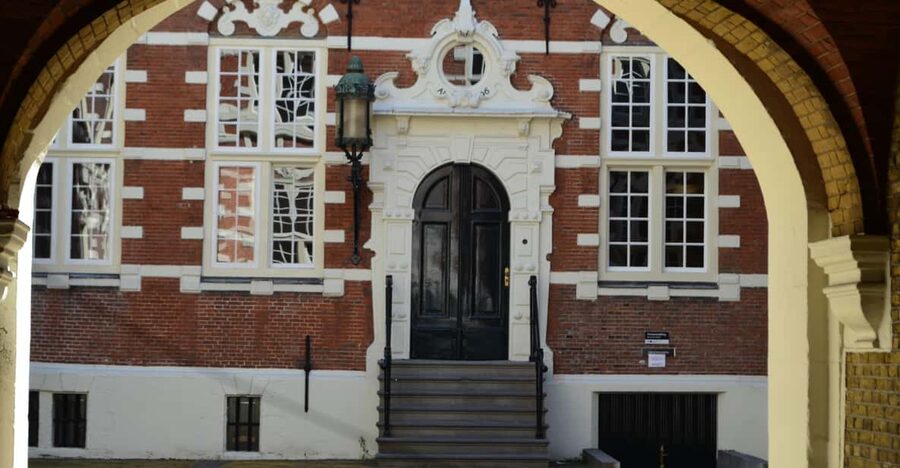
After the beurs visit, you pass by Dam Square. This is more than a quick sighting. It works as a landmark, a way to keep your bearings as the route shifts from one financial “chapter” to the next. Even though you are not spending big time here, it helps you understand how the story is layered onto the city’s core public spaces.
If you like tours where you keep walking and the guide keeps weaving connections, you will probably enjoy this pacing. If you prefer long stops and deep photo breaks, you might find the passing sections feel fast. That said, the route is designed to keep the narrative tight across a short, 2.5-hour window.
VOC and Dutch East India Company: When Amsterdam Went Global
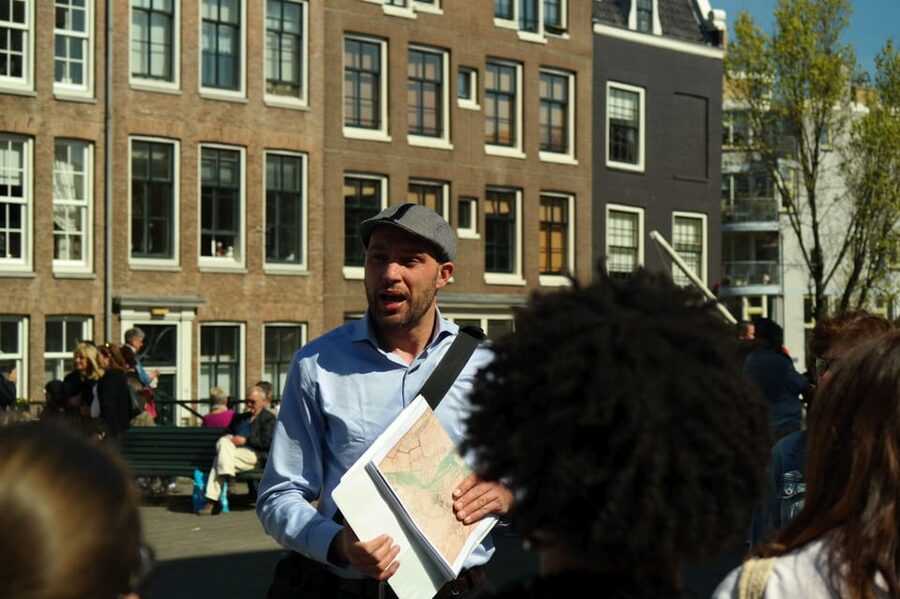
Next up is the VOC / Dutch East India Company area for sightseeing. This matters because the tour frames the VOC angle as a turning point for Amsterdam: the headquarters of the first multinational in the world. That is a big claim, but the real value is how the guide uses it to explain what global commerce changed.
You’ll also hear how later multinationals tie back to earlier corporate structures, including the tour’s mention of other multinational headquarters from the 1500s until now. Even if you have heard of the VOC before, it is useful to see how the tour treats it as a business model, not just a historical name. It is where the story starts to feel modern, because you can recognize familiar ideas like scale, risk, and returns.
Old Harbor and the Stock Exchange: Seeing the Trading Center in Real Space
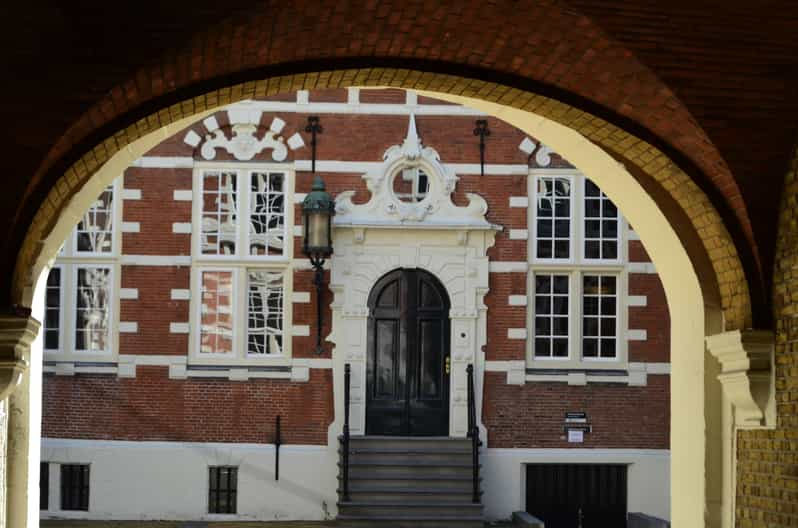
One of the highlights is exploring the current location of the Amsterdam stock exchange in the old harbor. This part is great for the “follow the money” idea. Finance is easy to understand as paperwork and charts, but you learn more when you see where people actually gathered and where the city kept shifting its money-making focus.
As you move through this area, the guide’s goal is to help you connect the dots between early innovations and the later reality of trading. You are not just watching history happen from far away. You are walking near the places where finance left its physical footprint.
Also flying a pennant in Amsterdam
- Amsterdam: Van Gogh Museum Ticket
★ 4.7 · 52,054 reviews - Amsterdam: Heineken Experience Ticket including 2 Drinks
★ 4.6 · 36,014 reviews - Amsterdam Classic Saloon Boat Cruise with Drinks and Cheese
★ 5.0 · 31,825 reviews - Amsterdam Luxury Canal Cruise + Unlimited Drinks & Bites option
★ 5.0 · 30,518 reviews
Stadsbank van Lening Pass-By: Lending Culture, Not Just Landmark Photos
You pass Stadsbank van Lening, Amsterdam. This is one of those stops that might seem brief, but it can pay off if you pay attention to how the guide frames it. The tour’s broader theme includes banks at the center of Amsterdam’s growth, and a passing stop can still help you map the city’s financial logic.
Here’s what to listen for: lending is part of how cities fuel trade and building. So even without a long visit, you should get a sense of how banking moved beyond rarefied elites and supported commerce and economic momentum. If you like “spot the function” sightseeing, this segment will work well.
Amsterdam City Archives Visit: Turning Stories into Evidence
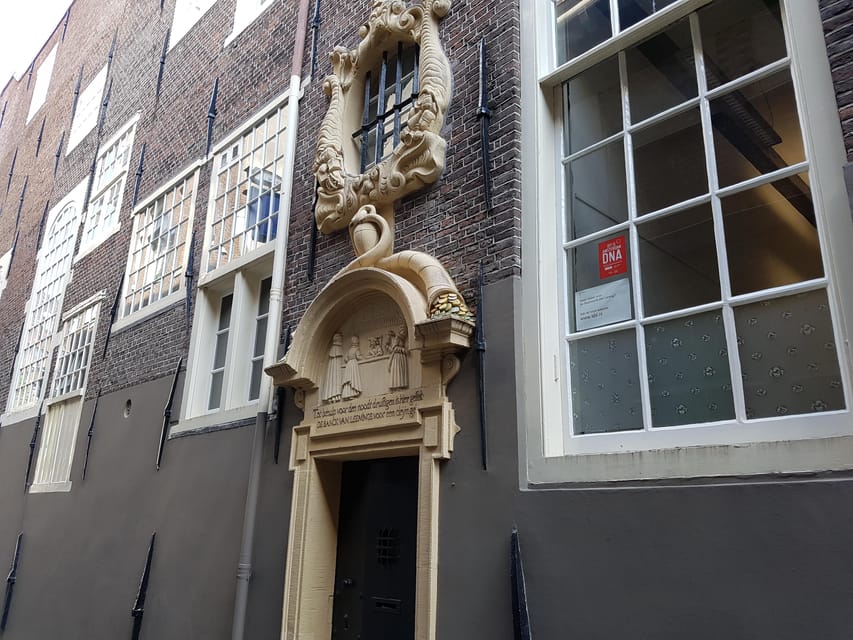
Then you head to the Amsterdam City Archives for a visit. This is one of the most practical stops because it shifts the tour from big concepts to records and documentation. When you hear about the 18th century banking center and the economic bubble in Amsterdam, it is helpful to know there are actual archives tying those themes to concrete history.
I like this kind of stop because it gives you a calmer, more grounded pause. You are still on the same story line, but the archives feel like where the evidence would live. It also makes the tour feel more substantial than a purely exterior walk.
Grachtengordel Walk: Wealth, Risk, and the Bubble Story
Next comes a walk through the Grachtengordel. This is where Amsterdam’s famous canal area becomes part of the finance narrative. The tour explicitly mentions explaining the economic bubble in Amsterdam, and the canal belt helps you picture what that bubble might have built toward.
You will likely get explanations that connect money to ambition, and ambition to how quickly confidence can inflate. The key is that the guide uses the surrounding streets and canals as a “why does this look the way it does” reference point. This is the kind of connection that makes the tour stick in your brain later, long after you leave the buildings.
The 100-Year Bank Vault: The Stop You Will Remember
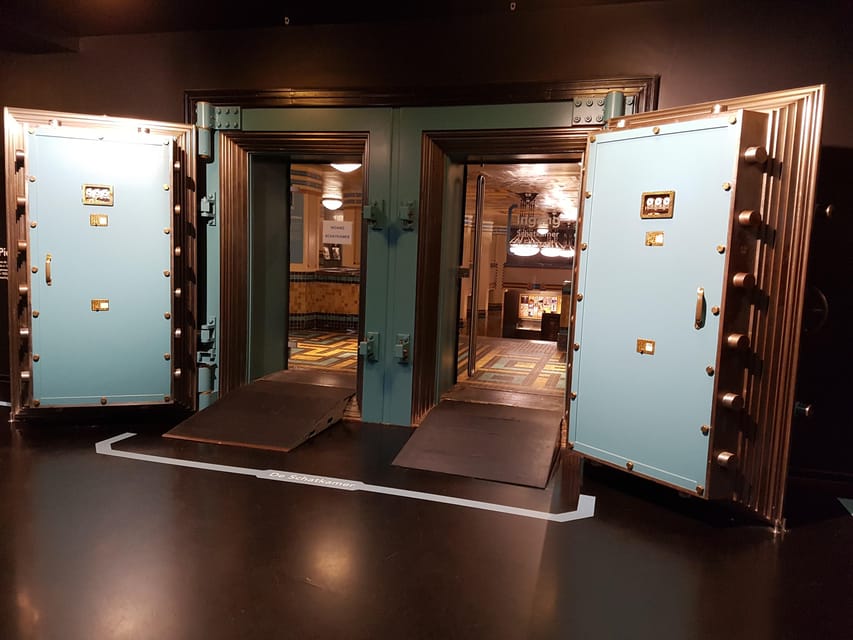
This is the highlight you should plan around. The tour includes a visit to a 100 years old bank vault. If your schedule lands you on a Monday, the vault visit is swapped for a visit to the V.O.C. headquarters instead. Either way, you get an access-focused moment, which is one reason this tour feels better than a standard history walk.
The vault is praised as the best part for good reason: it turns financial history into a tactile experience. You get to see how banks protected wealth, and you get a clearer feel for why money mattered physically, not just in theory. Edgar’s storytelling also helps here, because the vault visit is where the tour can connect the practical side of banking to the dramatic side.
Keep an eye out for how the guide links the vault to other big themes, like:
- the center of 18th century banking
- the world’s first central bank story
- and dramatic episodes like the greatest bank heist in Dutch history and how WWII was financed
Those are heavy topics, but within a tight, 2.5-hour route they land well because the guide uses the vault as an anchor. It makes the money stories feel real.
Time, Walking, Price, and What You Get for $165
The tour runs 2.5 hours and is about 3 kilometers of walking. That length is a sweet spot. Long enough to cover multiple chapters, short enough that you do not feel like you sacrificed an entire day. Still, it is not a casual stroll for everyone. You need good shoes, and you should dress for the weather.
About the price: $165 per person feels steep until you see what is included. You are not just paying for commentary and photos. You have a private guide and you get access to the 100-year bank vault (or the Monday alternative), which is the kind of special entry that often makes tours worth it. For a private group, you also avoid the “call and response” problem where your questions get swallowed by the crowd.
One small practical note: snacks and supplies are not included. Plan to eat before you go, or bring simple supplies if you need them. In a tour framed around banking and big events, you will be happier if your energy stays steady.
Language, Pace, and Group Size
This is a live tour with a guide in Dutch and English. The private group setup matters too. You can ask questions as the story unfolds. You are also more likely to get clear explanations tailored to what you care about, whether you are here for business mechanics, Dutch history, or just a better way to see the city.
The pacing is also part of the value. You move from major financial landmarks to archival materials to the canal belt and end at Amsterdams Lieverdje. That structure helps you feel like you completed a route with an ending, not just “walked around until time ran out.”
Who Should Book This Amsterdam Financial History Tour
I think this tour is a strong match if you like:
- architecture with a purpose, not just a backdrop
- stories that connect big inventions to real locations
- tours where you learn something surprising but still keep moving
It is not the best fit if you have mobility limitations or if you need wheelchair access or require accommodations for visual impairment. The route covers around 3 kilometers on foot, so even with a private group, the walking and the environment matter.
Also note the rule: alcohol and drugs are not allowed. That is a good thing for the overall vibe, because it keeps the tour focused and respectful.
Should You Book It?
If you want Amsterdam in a new key, this tour is worth serious consideration. You are paying for two things that are hard to fake: a guide like Edgar who can explain the money story clearly, and that 100-year bank vault visit that turns finance from theory into experience. At $165 for 2.5 hours, it is not the cheapest way to see Amsterdam, but the access and the storyline make it feel like value, not just a price tag.
I would book it if you like non-obvious angles, and you want your city walk to teach you how Amsterdam became the cradle of modern capitalism. I would skip it if you only want museum-style time sitting down, or if walking 3 kilometers is tough for you.
FAQ
How long is the Amsterdam Financial History Tour?
It lasts about 2.5 hours.
Where does the tour start and where do you finish?
You start at Bistro Berlage, in front of the Beurs van Berlage on the Beursplein. You finish at Amsterdams Lieverdje.
What is included in the price?
The tour includes a private guide, and a visit to a 100 years old bank vault. On Mondays, the vault visit is replaced by a visit to the V.O.C. headquarters.
Is the tour self-guided or guided?
It is a live tour with a guide, available in Dutch and English.
Is there any food provided?
No. Snacks and supplies are not included, so plan accordingly.
Can I cancel, and are there any rules about alcohol?
You can cancel up to 24 hours in advance for a full refund. Alcohol and drugs are not allowed on the tour.
Latest to arrive along the quays of Amsterdam




Historical Tours, compared.
Amsterdam Food and Cultural Tour with Tastings
Read our review →
Kinderdijk UNESCO World Heritage Entry Ticket
Read our review →

Amsterdam High-End Dutch Food & History Tour – Up to 8 guests
Read our review →
Cruise through the Historic City Center with Guide
Read our review →Browse the lists this tour appears in