Reviewed · AMSTERDAM TOURS & EXPERIENCES
Amsterdam Essentials: From Swamps to Riches
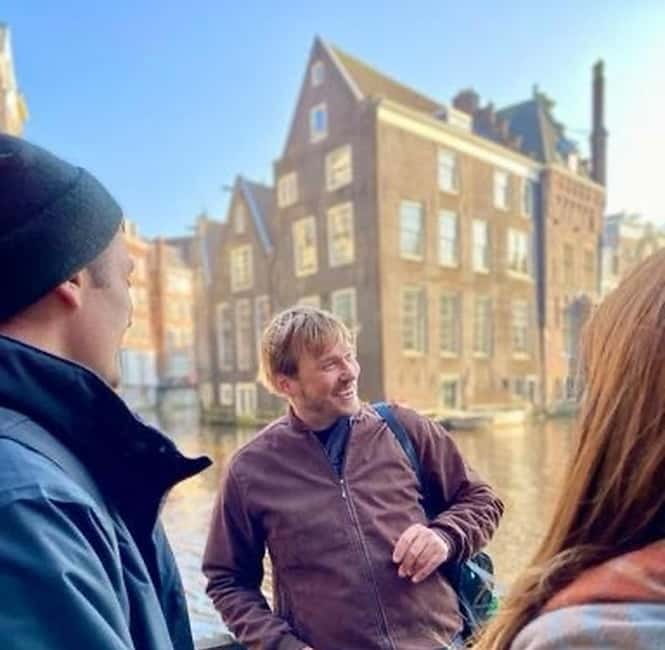
Amsterdam can feel like a puzzle at first. This walk turns the pieces into a story, starting at Het Lieverdje in Spui and moving through quiet courtyards, major squares, and the canal belt. I love how the guide mixes big shifts in the city with practical street-level details you can use immediately, like how to read architecture and where bike routes make sense. I also like the pacing, it stays lively without feeling rushed, and it leaves time for questions and small detours.
The one drawback to plan for is weather and crowd density. You cover mostly on foot, and some of the best moments happen in outdoor streets, so bring proper layers and good walking shoes, especially in wind or rain.
In This Review
- Key takeaways before you go
- Start at Het Lieverdje in Spui, where Amsterdam’s story begins
- Royal Palace area: the city gets formal, then you zoom out again
- The Begijnhof courtyard break: the best kind of quiet reset
- Traces of medieval streets and Golden Age wealth, seen in how buildings talk
- Canal belt time in the Grachtengordel, a lesson you can reuse
- Second World War memory at the edges of public life
- Finish by the Amstel and Dam Square, from name to memory
- What makes the guide style work, from Jussi to Wendy to Sebastian
- Duration, group size, languages, and meeting point, so you can plan smart
- Coffee shops, bikes, and Dutch snack tips you can actually use
- Price and value, why $29 works for what you get
- Who should book this Amsterdam Essentials walk
- Should you book Amsterdam Essentials: From Swamps to Riches?
- FAQ
- How long is the Amsterdam Essentials walking tour?
- Where is the meeting point?
- What is the group size?
- What languages are available?
- How much does it cost?
- Is there free cancellation?
Key takeaways before you go
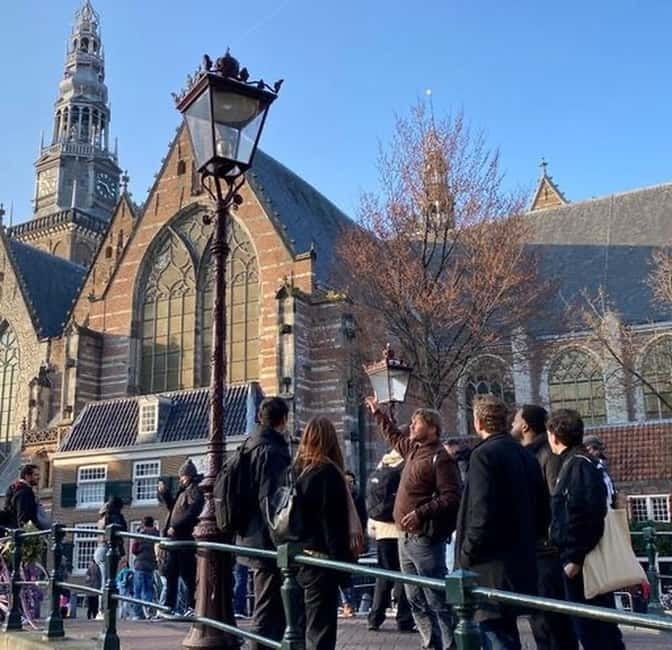
- Small-group feel (up to 10 people) makes it easier to ask questions and get personal recommendations
- Story-driven route follows Amsterdam’s shift from holy medieval city to free-spirited capital
- Begijnhof courtyard moment gives you a calm break from the street noise you cannot really replicate later on your own
- Golden Age lessons in the Grachtengordel teach you how to interpret canal architecture as a living record
- Dam Square ending lands on the National Monument, a sober close to the city’s ups and downs
Start at Het Lieverdje in Spui, where Amsterdam’s story begins
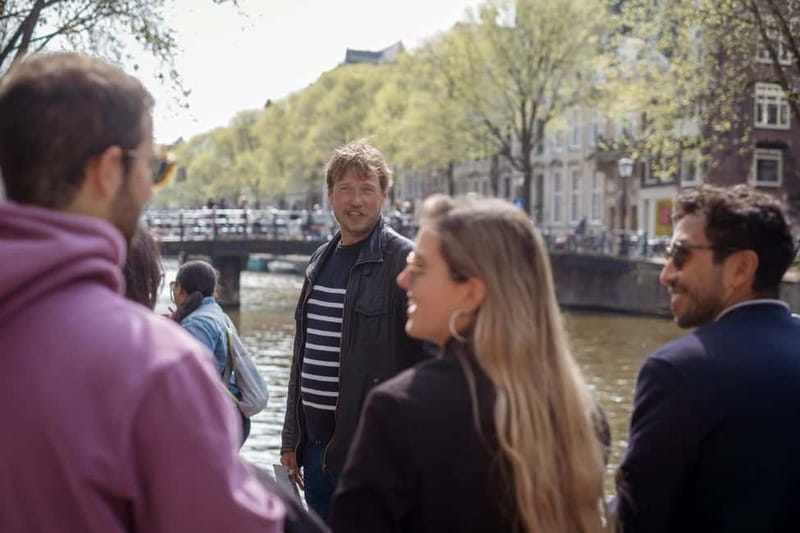
You’ll meet at the statue Het Lieverdje at Spui square, right in the middle of things. That location matters. Spui is active and central, so it sets the tone for what you’ll experience the whole tour, a city that moves fast but still holds older layers close by.
From the first minutes, the guide frames Amsterdam as more than postcard canals. The theme is the transformation of a holy medieval city into today’s free-spirited capital, and you start learning how to spot that change in everyday details. You also get the kind of blunt, friendly context that helps you understand what you’re seeing, even if you do not yet know the city’s history.
In the intro stretch, you’ll likely get a first batch of recommendations too. That can be as simple as what Dutch snacks are worth your time, or which areas tend to work better on foot versus by bike.
Also flying a pennant in Amsterdam



Royal Palace area: the city gets formal, then you zoom out again
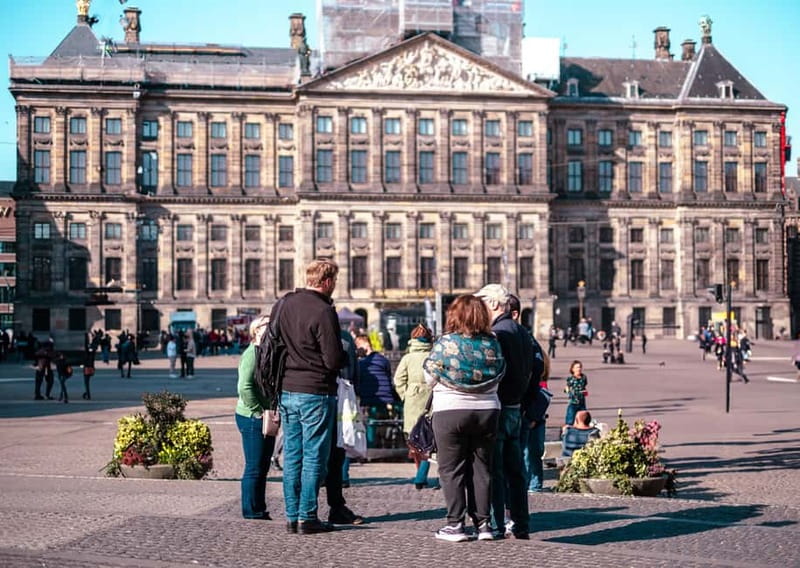
One of the early stops is the area around the Royal Palace. Even if you are not going inside, the guide uses the surroundings to explain how Amsterdam’s power and identity evolved. Think of it like a marker in the timeline, you can feel the shift from the older, sacred city vibe into a more political, worldly capital.
The value here is interpretation. A lot of first-time visitors walk past impressive buildings and move on. This tour teaches you to slow down and ask why a certain style or location made sense for the era it represents. You learn to connect architecture, public space, and the city’s priorities at different moments.
Practical note: this part is not meant to be long and exhaustive. It’s a guided orientation so the rest of the walk has meaning, not a history lecture.
The Begijnhof courtyard break: the best kind of quiet reset
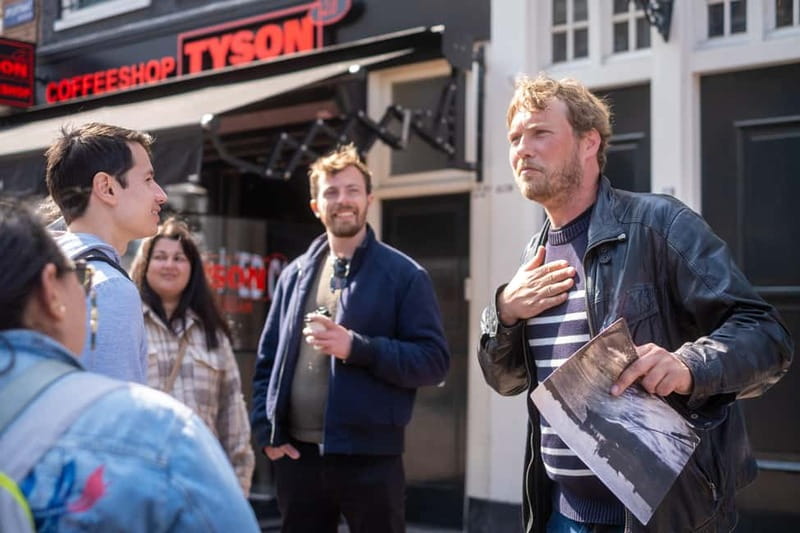
A short walk brings you to the Begijnhof, and it is the kind of place you could easily miss if you are not looking for it. The moment you step inside, the atmosphere changes. Outside you get street life, inside you get a cloistered courtyard that feels like another world.
I like this stop because it teaches a useful Amsterdam habit: slow down at thresholds. You often find the city’s calmer, older side just a few steps behind something busy. The guide points out why spaces like this mattered in the city’s earlier identity, and you get a sense of how Amsterdam makes room for contrast.
There is also a human side to it. You’re not just collecting facts. You’re getting a feeling for how the city can be intensely private and intensely public in the same neighborhood.
Traces of medieval streets and Golden Age wealth, seen in how buildings talk
As you move along, the tour starts doing something smart. It keeps you from treating landmarks as isolated points. Instead, you see the city’s layers stacked in plain sight.
You’ll notice traces of medieval streets, then transitions that reflect the Golden Age wealth. The guide also helps you read architecture as a record of constant change. That means you can look at a canal-facing façade or an older-looking street corner and have a framework for what you’re seeing, even if you cannot name every feature.
This is one of the most praised parts, and it makes sense from your point of view. It trains your eyes. After a good guide-led walk, you do not need to depend on plaques all day. You start understanding why something looks the way it does, and you stop feeling like the city is random.
It also helps that the guide talks about more than the obvious big sights. You may hear where to try real Dutch snacks, and you’ll get pointers on which neighborhoods are best explored by bike. That bike advice is practical, not theoretical, and it can save you from wasting time later.
Canal belt time in the Grachtengordel, a lesson you can reuse
The tour spends about 1.5 hours on the Grachtengordel, Amsterdam’s canal belt. This is the centerpiece for most visitors, and the guide’s job is to keep it from turning into a photo line.
You’re guided through the canal areas with a focus on how the city’s fortunes shaped its layout and building style. The guide also helps you notice patterns you might not catch on your own, which makes your next walk feel different. Instead of, look at canal, you get, this canal corridor reflects an era, and the buildings around it carry that story forward.
I especially like that the guide connects it to daily life. Amsterdam is not a museum you visit and leave behind. It’s a living city, and canals are still part of its rhythm. So the lesson stays useful, not just poetic.
Under the next bridge out of Amsterdam:
- Amsterdam Luxury Canal Cruise + Unlimited Drinks & Bites option
★ 5.0 · 30,518 reviews - Amsterdam: Rijksmuseum Entry Ticket
★ 4.7 · 29,512 reviews - Amsterdam: Classic Saloon Boat Cruise with Cheese & Wine
★ 4.6 · 27,035 reviews - Amsterdam: Evening Cruise with Optional Wine and Snacks
★ 4.4 · 22,178 reviews
Second World War memory at the edges of public life
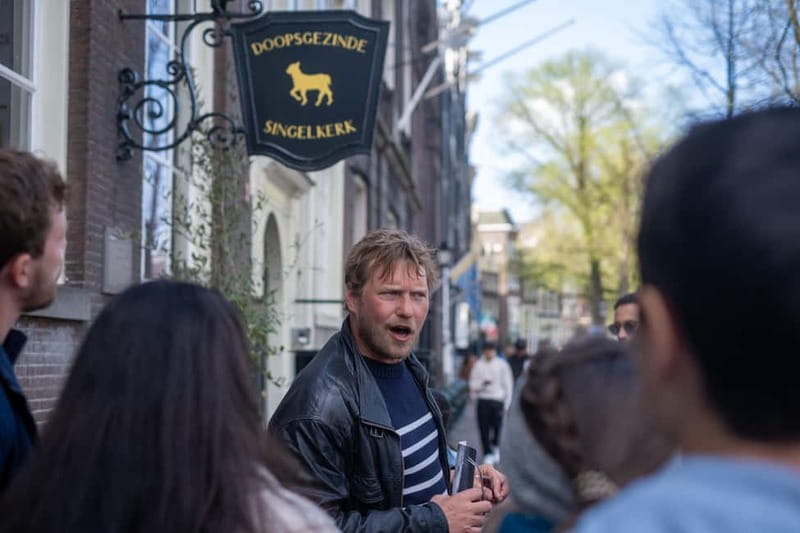
Amsterdam’s darker chapter appears during the walk, including the Second World War. The approach here is not dramatic or forced. It’s more like the city quietly reminds you that history is in the streets, not just in museums.
You’ll see how some stories show up in quiet courtyards, and others show up in the energy of public squares. That contrast matters because it changes how you perceive the city when you keep walking after the tour ends.
If you want an honest Amsterdam experience, this part is key. You get a more complete picture, not just the pretty angles.
Finish by the Amstel and Dam Square, from name to memory
The tour winds down near the Amstel River, the waterway that gave Amsterdam its name. This matters because it connects the city’s identity to something physical you can still sense. You are not only tracing political and cultural shifts, you are finishing where the city’s foundation connects back to geography.
Then you end at the National Monument on Dam Square, a solemn memorial to lives lost in war. It is a grounded ending that gives the earlier sections weight. After the upbeat canal talk and courtyard calm, this stop brings you back to reality.
I like endings like this because they prevent your visit from becoming only aesthetic. You leave with a sense of place, not just a stack of images.
What makes the guide style work, from Jussi to Wendy to Sebastian
A big reason this tour earns a 5-star average is how the guide teaches. Names that pop up in the experience include Jussi, Wendy, and Sebastian, and the common thread is a friendly storytelling style with real attention to detail.
In practical terms, it feels like walking with a local friend who knows the city’s habits. One guide approach is humor with clear explanations, another is an intense focus on small features you might otherwise overlook. Either way, the point is the same: you come away understanding how to look.
You can also count on questions being welcome. Multiple guides are described as answering questions thoughtfully, and they keep the pace comfortable even in bad weather. One guide even stayed flexible in cold, windy, rainy conditions and adjusted if you asked to stop early, which is exactly the kind of care that matters during a short 2-hour window.
Duration, group size, languages, and meeting point, so you can plan smart
This is a 2-hour walking tour with a small group limited to 10. That small size changes the experience. You are not fighting for the guide’s attention, and the walk does not turn into a one-way lecture.
The tour runs in English and German, with a live guide. If you care about asking follow-up questions in plain language, this format helps.
You meet at Het Lieverdje at Spui square. That’s an easy central starting point, and it keeps the route compact enough to stay on theme without turning the day into constant transit.
Shoes matter. You are on foot the whole time, with stops where you step in and out of spaces like courtyards and open squares. Bring weather protection too. Amsterdam can switch from drizzle to wind fast.
Coffee shops, bikes, and Dutch snack tips you can actually use
One of the fun parts of the tour theme is how it blends history with modern Amsterdam habits. The guide does not keep it academic. You’ll get pointers tied to daily life, including where coffee culture shows up, where bikes make the city easier, and where to look for Dutch snacks.
A snack detail that comes up is stroopwafel. Even if you do not plan to eat it immediately, getting a name and context helps when you later see it in shop windows.
This practical mix is why the tour can be more than a one-time activity. Once you know which neighborhoods tend to feel better on bike versus on foot, you can design the rest of your day with less guessing.
Price and value, why $29 works for what you get
At $29 per person for 2 hours, the value is mainly in three things: a small-group guide, an efficient route, and expert interpretation.
You cover multiple high-impact zones in a tight time window, from Spui and the Royal Palace area to the canal belt in the Grachtengordel, then a finish at Dam Square by way of the Amstel. That is a lot of ground for one walk, and it would be harder to stitch together into a coherent story without a guide explaining what you are seeing.
You also get recommendations you can use immediately, snack ideas and district pointers, plus guidance on architecture. For many visitors, that turns the cost into something closer to a shortcut for understanding Amsterdam quickly.
Who should book this Amsterdam Essentials walk
This tour fits best if you want to get oriented fast without turning your day into museum fatigue. It also works well if you’ve been to Amsterdam before and want a structured re-visit, because the guide’s architecture reading and history framing help you notice new layers in familiar places.
It’s a strong pick for first timers because it gives you a map in your head, not just a list of stops. It’s also good for couples and small groups who want conversation and humor, since the format stays interactive.
If you hate walking in weather or you need step-free access, you should consider your own pace and comfort. The tour is short, but it is still continuous walking and involves outdoor time.
Should you book Amsterdam Essentials: From Swamps to Riches?
Yes, if you want a smart introduction to Amsterdam that connects the medieval to the modern, the beautiful to the sobering, and the canals to real day-to-day choices.
Book it especially if you like guides who make history feel human, not heavy. The experience style described is friendly, question-friendly, and attentive to the pace. With a small group and a strong story arc from Spui to Dam Square, this is one of the more efficient ways to understand what makes Amsterdam feel like it does.
Skip it only if you want a purely visual tour where you can do everything by yourself with no guidance. This walk is about learning how to look and how to connect the city’s parts.
FAQ
How long is the Amsterdam Essentials walking tour?
The tour lasts 2 hours.
Where is the meeting point?
Meet at the statue Het Lieverdje at Spui square.
What is the group size?
The group is limited to 10 participants.
What languages are available?
The live guide offers the tour in English and German.
How much does it cost?
The price is $29 per person.
Is there free cancellation?
Yes, you can cancel up to 24 hours in advance for a full refund.
Latest to arrive along the quays of Amsterdam




Amsterdam Tours & Experiences, compared.

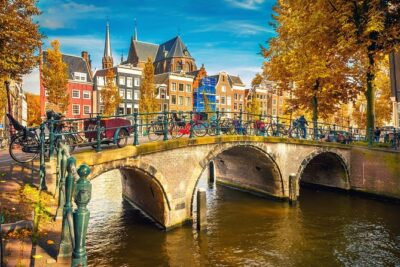
Amsterdam Classic Saloon Boat Cruise with Drinks and Cheese
Read our review →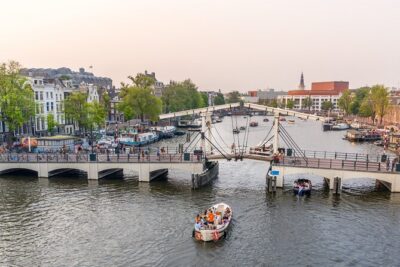
Amsterdam Luxury Canal Cruise + Unlimited Drinks & Bites option
Read our review →

Classic Saloon Boat Cruise with Cheese & Wine
Read our review →
Evening Cruise with Optional Wine and Snacks
Read our review →
Heated Canal Cruise with Unlimited Drinks & Bite
Read our review →