
Reviewed · CITY TOURS
Amsterdam: City Highlights Walking Tour
Amsterdam clicks when you know the stories. This 2-hour walking tour gives you context fast, linking Dam Square, the UNESCO Canal Belt, and the world-famous Red Light District into one city narrative. I especially like how the guide turns big landmarks into human-scale scenes with clear, memorable anecdotes, and how it’s structured as an easy first pass through key areas. One thing to consider: it’s not designed for kids under 16, since the Red Light District is part of the route and the discussion includes Dutch drug laws.
If you want Amsterdam in two hours, this is a strong starter. You’ll hear how a small fishing village grew into a global powerhouse, why the canals matter, and how the Dutch idea of freedom shows up in daily life and public policies. I also like that the tour feels interactive, including quick question-and-answer style moments that keep everyone awake and paying attention.
In This Review
- Key points you will actually care about
- Where the city story begins: Dam Square and the National Monument
- Beurs van Berlage: trade, stock exchange history, and why money built canals
- Grachtengordel and the UNESCO Canal Belt: seeing the canals as a system
- Red Light District in context: liberal city values with real boundaries
- Jordaan energy: the iconic neighborhood you should know
- Bikes, daily life, and diversity: what Amsterdam means day to day
- Family life and the Homomonument: the city’s values made visible
- About the guide experience: storytelling that stays interactive
- Price and value: why $29 can feel like a bargain in a short window
- Who should book this walking tour, and who might skip it
- Should you book it?
- FAQ
- How long is the Amsterdam City Highlights Walking Tour?
- Where does the tour start?
- Is the tour available in English?
- What stops are included on the route?
- What is the price per person?
- Is the tour suitable for children?
- Can I cancel and get a refund?
Key points you will actually care about
- A guided storyline, not just a photo walk that connects Dam Square, canals, and the Red Light District
- UNESCO Canal Belt context, including how the canals were shaped by major trade history like the Dutch East India Company
- Freedom and rules explained, including Dutch drug laws, framed in a way that helps you understand the city
- Bike and daily-life lessons, so Amsterdam feels less like a postcard and more like where people live
- Diversity themes you can feel on the walk, with a mention of 180 nationalities and the Homomonument
- A guide that keeps it lively, highlighted by a review praising Lucas for charisma, knowledge, and interactive delivery
Where the city story begins: Dam Square and the National Monument
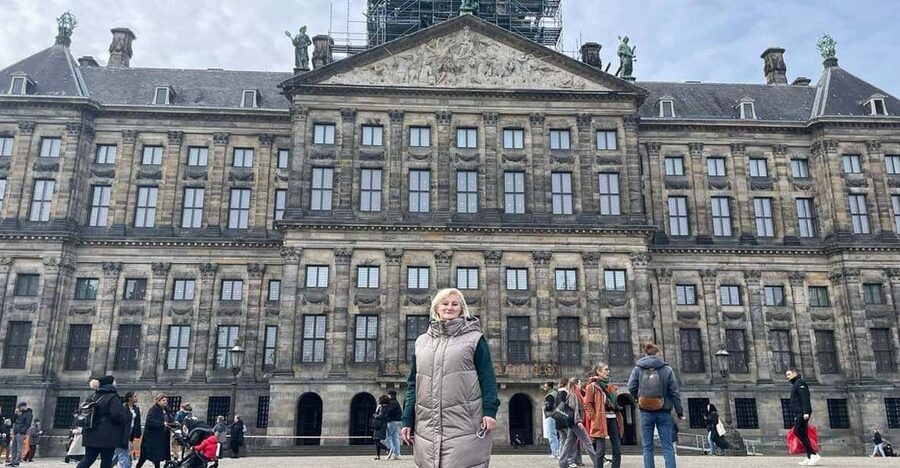
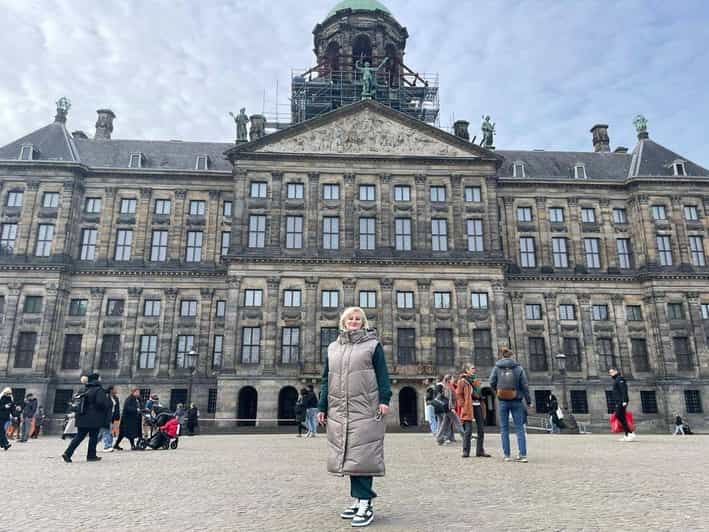
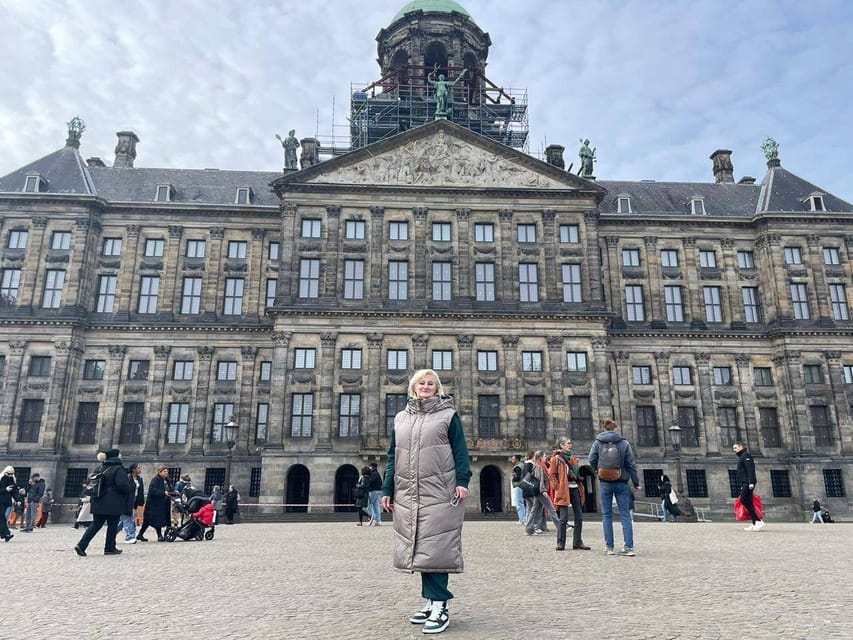
The tour starts in the center of it all, at the National Monument on Dam Square. This is where Amsterdam’s identity gets easy to grasp, because everything radiates outward from this busy, symbolic square. You begin with the idea that Amsterdam did not always look like it does today, and that helps the rest of the walk make sense.
From the start, you’ll get a city timeline in plain language: Amsterdam’s path from a small fishing village to becoming one of the richest cities in the world. The guide’s job here is not to overload you with dates. It’s to give you a framework so later details, like trade and canal building, feel connected instead of random.
Practical tip: Dam Square is open and exposed. Wear shoes you trust, and dress for weather, because this tour spends more time walking than stopping.
More Guided Walking Tours in Amsterdam


Beurs van Berlage: trade, stock exchange history, and why money built canals
Next up is Beurs van Berlage, another stop that works well as a bridge between stories. You are moving from square-and-monument symbolism to the mechanics behind Amsterdam’s rise. This is where the tour’s history focus starts to click, especially if you like understanding cause and effect.
Here, the guide ties together the Dutch East India Company and the creation of the Canal Belt. That connection matters because Amsterdam’s canals are not just pretty infrastructure. They are part of the city’s economic engine, shaped by trade and the need to move wealth, goods, and influence through the city.
You’ll also hear about the history of the world’s first stock exchange. Even if you only remember the big idea, it helps you see why Amsterdam was ready to become a global hub. The tour doesn’t treat money as a cold concept. It shows how finance, business, and city planning fed each other.
The drawback of this stop is simple: if you do not enjoy history topics, you might find yourself wishing for more scenery time. But the guide usually keeps it lively with anecdotes, and the pacing stays comfortable for a 2-hour format.
Grachtengordel and the UNESCO Canal Belt: seeing the canals as a system
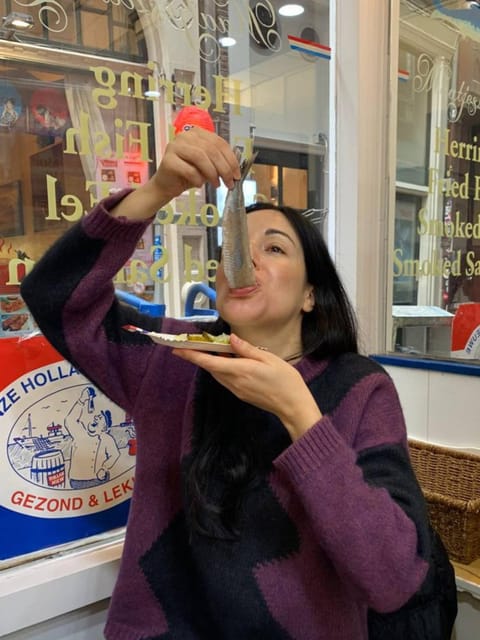
One of the best parts of the walk is the section devoted to the UNESCO Canal Belt, also known as Grachtengordel. This is where Amsterdam goes from “historic postcard” to “engineered city.” The guide helps you look at the canal system as something designed, built, and maintained for a reason.
The tour specifically frames how the Canal Belt’s creation links back to the Dutch East India Company. That theme gives you a meaningful lens while you look at the waterway views. You start noticing what you are seeing and why the city chose this shape.
I also like that the UNESCO angle is not treated as a stamp. You learn enough background to understand why it earned the status, which makes the stop more than a checklist photo moment. If you have limited time in Amsterdam, this is a smart use of it.
Tip for you: bring your eye for details. Look at the canal layout, building edges, and how streets meet the water. The tour is short, so your attention is a big part of the payoff.
Red Light District in context: liberal city values with real boundaries
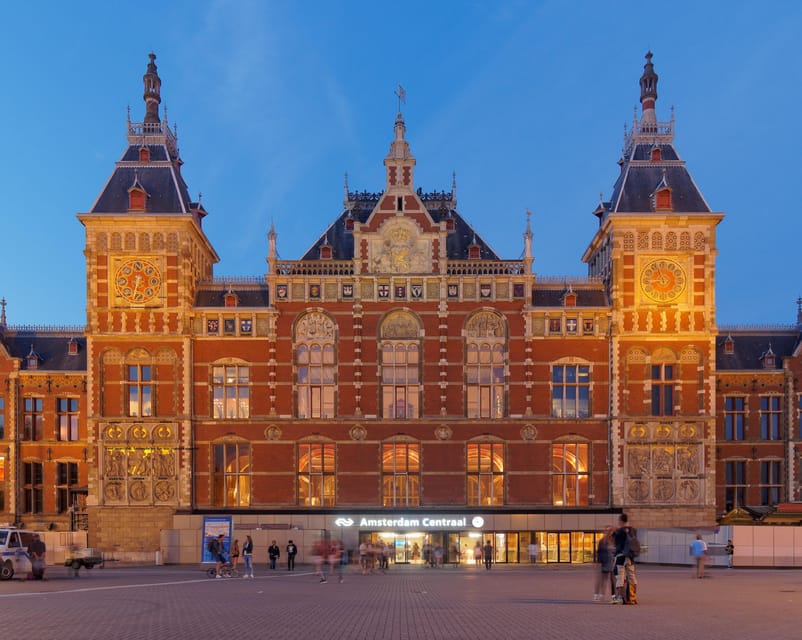
Then the route moves into the world-famous Red Light District. This is the stop most people have questions about, and the tour handles it with an explanation-focused approach rather than a shock-focused one. You’ll hear about the Dutch drug laws and how the city has defined freedom in a very practical way.
That framing is the key. Amsterdam is often described as liberal, but liberal does not mean rule-free. The guide’s job is to show you how the city balances personal freedom, public order, and policies. Even if you feel uncomfortable at first, the tour’s structure helps you understand what you are seeing and why it exists where it does.
Because you are walking in an area that is well known internationally, it can feel chaotic on your own. With a guide, you get a smoother, more grounded experience. Still, one consideration: the tour is explicitly not suitable for children under 16, and the topic can be adult.
Practical note: dress and behave respectfully. Stick close to the group and keep an eye on where you are stepping, since streets there can be busier than the rest of the walk.
Jordaan energy: the iconic neighborhood you should know
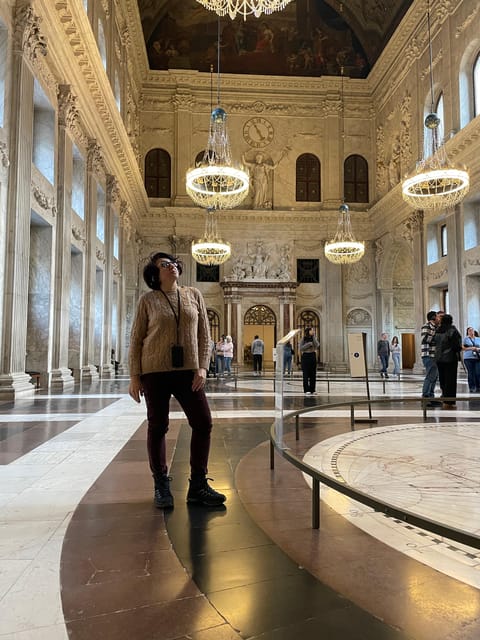
After the Red Light District, you’ll head to the Jordaan neighborhood. This area is iconic for a reason, and the tour helps you understand why it stands out in Amsterdam’s everyday life. Instead of treating Jordaan as just scenery, the guide connects it back to the city’s lifestyle themes.
If you like neighborhoods with personality, this is a nice shift from the heavier topics earlier. You start thinking about Amsterdam as where people actually live and spend time, not just a stage for famous sights.
One small benefit of including Jordaan in a short tour: you do not just learn Amsterdam’s extremes. You learn the in-between areas that help the city feel like a city, not a museum.
More gables counted on foot:
- Amsterdam: Anne Frank Guided Walking Tour in DE/EN/IT/ES
★ 4.9 · 3,107 reviews - Amsterdam: Anne Frank Guided Small Group Walking Tour
★ 4.8 · 2,722 reviews - Amsterdam: Cultural Highlights Walking Tour
★ 4.9 · 2,629 reviews - Amsterdam: Ganja Walking Tour
★ 4.2 · 2,127 reviews
Bikes, daily life, and diversity: what Amsterdam means day to day
A major part of the tour is not about monuments. It’s about how Amsterdam functions. You’ll learn about Dutch bike culture and the everyday lifestyle of the city’s residents.
This is one of those details that changes how you walk through Amsterdam afterward. Once you understand the bike culture angle, you notice how street design, traffic flow, and daily habits reflect that priority. It’s a useful lens for your self-guided exploring later.
You’ll also hear how 180 nationalities unite in diversity. That theme matters because Amsterdam can feel like it has multiple identities at once. The guide’s job is to show how that diversity plays out in real city life, not just in brochures.
Family life and the Homomonument: the city’s values made visible
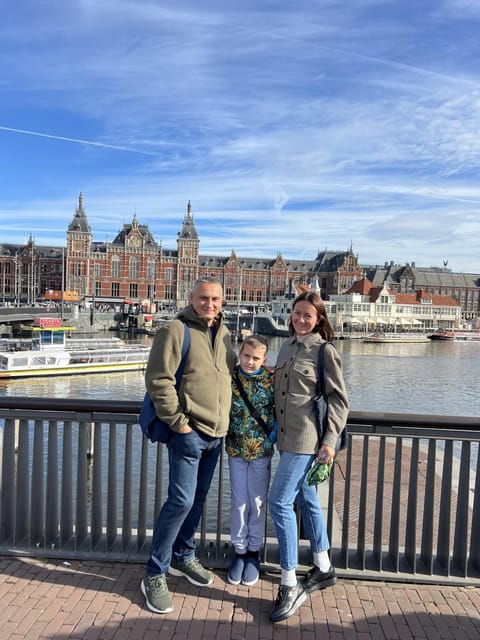
The tour continues with discussion tied to family life and the Homomonument. You’ll learn about the Homomonument as part of the broader picture of how Amsterdam defines freedom, and how that idea shows up in public memory and visible landmarks.
Ending at the Homomonument gives the tour a thoughtful finish. You’ve covered major trade history, the canal legacy, and the Red Light District. Then the final theme brings you back to rights and community. It’s a clear example of how Amsterdam can be both pragmatic and principled at the same time.
If you are someone who likes travel experiences that leave you with more than photos, this ending lands well. It turns the tour from a set of stops into a coherent message about what kind of city Amsterdam tries to be.
About the guide experience: storytelling that stays interactive
A highlight here is the guide style. One review specifically praised Lucas, calling out his charisma, passion, and the way he made the tour interactive through game-like questions and curiosities about Amsterdam. That kind of delivery matters, because a history and policy-heavy walk can turn dull fast.
On this tour, you get storytelling that connects the dots. You also get anecdotes you can remember, which is what makes a short tour actually useful. If you do not know the city yet, interactive moments act like mental bookmarks.
Group pace is also a factor. With a 2-hour duration, the stops stay frequent enough to keep energy up, but not so tight that you feel rushed. Each location gets a quick guided focus before you move on.
Price and value: why $29 can feel like a bargain in a short window
At about $29 per person for a 2-hour guided walk, you are paying for three things: a guide, time-saving orientation, and a curated route across multiple major landmarks. In a city like Amsterdam, where you could easily spend hours bouncing between attractions without context, that combination adds up.
The value here is not just that you visit famous places. It’s that you get an explanation framework for each one: why the canals matter, how trade shaped the city, how policy fits the freedom narrative, and how neighborhoods connect to daily life. That kind of “mental map” is exactly what you want early in a trip.
If you’re on a budget, a tip: this is best as a first or second day activity. That timing helps you explore more efficiently afterward, so the tour costs less than it looks on paper.
Who should book this walking tour, and who might skip it
This tour is a great fit if:
- You want a first-time orientation to Amsterdam in 2 hours
- You like history and city context, not just architecture shots
- You enjoy guided storytelling that includes interactive question moments
- You want to understand the city’s idea of freedom, including topics like Dutch drug laws
You might choose something else if:
- You are traveling with kids under 16, since the route includes the Red Light District
- You need mobility-friendly routes, because the tour is not suitable for people with mobility impairments
- You dislike adult-focused city topics or prefer entirely family-friendly sightseeing
Should you book it?
Yes, if you want Amsterdam with context and you like a guided walk that connects landmarks into one story. The route hits the essentials: Dam Square, the UNESCO Canal Belt, the Red Light District, Jordaan, and it finishes at the Homomonument. Plus, the guide approach stands out for keeping it engaging and interactive, with Lucas noted for charisma and lively delivery.
If you only have a short time in town, this is the kind of tour that can make your later self-guided exploring feel smarter. You will understand what you are seeing, and that is the best kind of souvenir.
FAQ
How long is the Amsterdam City Highlights Walking Tour?
The tour lasts 2 hours.
Where does the tour start?
Meet your guide in front of the National Monument on Dam Square. The guide will be holding a black tote bag with a visible Red logo that says Who Is Amsterdam.
Is the tour available in English?
Yes, the live guide speaks English.
What stops are included on the route?
You will cover Dam Square, Beurs van Berlage, the Amsterdam Red Light District, the UNESCO Canal Belt area (Grachtengordel), and you finish at the Homomonument.
What is the price per person?
The price is $29 per person.
Is the tour suitable for children?
No. It is not suitable for children under 16 years.
Can I cancel and get a refund?
You can cancel up to 24 hours in advance for a full refund.
Latest to arrive along the quays of Amsterdam





City Tours, compared.
75 Minute City Canal Cruise with Audio Guide
Read our review →
City Centre Canal Cruise including Audioguide
Read our review →

City Canal Cruise and Heineken Experience Ticket
Read our review →
City Card with Free Entrance & Public Transport
Read our review →
Browse the lists this tour appears in