
Reviewed · CITY TOURS
Amsterdam City Center Guided Walking Tour – 12 guests 2,5h
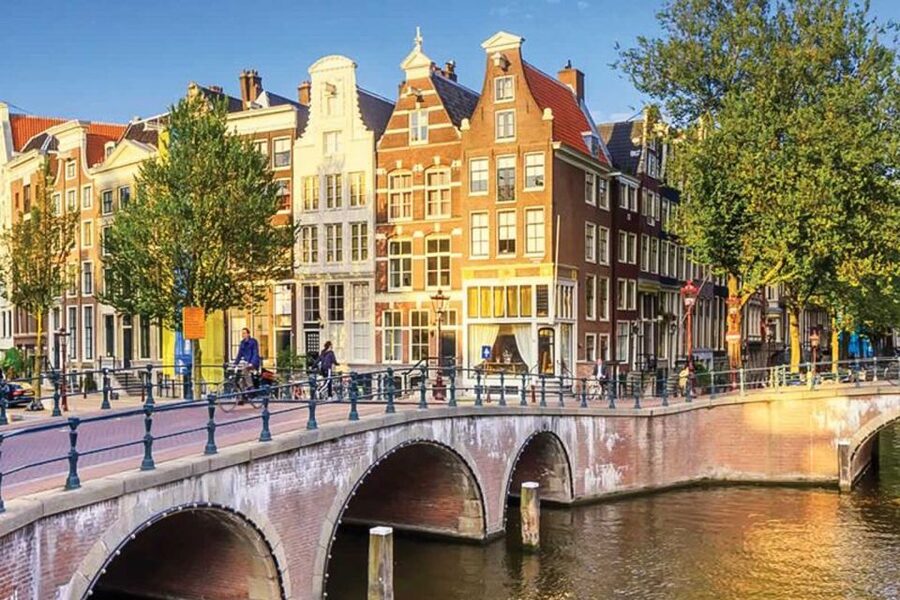
Canals and culture, with your bearings sorted fast. This Amsterdam City Center Guided Walking Tour is built for first-timers who want the big landmarks plus the quieter, local-feeling corners, with a private guide and a clear focus on the Canal Belt.
I especially like how it mixes famous spots with smaller details you can actually use next, like how the city grew from the Amstel River and why the streets feel the way they do.
You’ll also appreciate the pace and structure, with short stops for photos and explanations instead of one long lecture. I really enjoy the combination of major sights, like Dam Square, and hands-on orientation moments around the inner courts and canal-side areas. One possible drawback: because it packs a lot into 2.5 hours, you should expect brief visits, not slow, museum-style time.
In This Review
- Key takeaways before you walk
- A 2.5-hour Amsterdam orientation that doesn’t feel like a “tour”
- Meeting point and walking pace, what it feels like in real life
- Stop-by-stop: from St Nicholas Church to the Weeping Tower
- Basilica of Saint Nicholas
- Weeping Tower
- Zeedijk Street
- Ons’ Lieve Heer op Solder (Our Lord in the Attic Museum)
- Oude Kerk, Nieuwmarkt, and the trader’s Amsterdam you can see
- Oude Kerk
- Nieuwmarkt Square
- De Waag Restaurant
- Het Trippenhuis
- Jewish Quarter, Amsterdam
- Museum Rembrandthuis
- The opera area, Zuiderkerk, and the walk toward the Amstel
- Dutch National Opera & Ballet
- Zuiderkerk
- Amstel
- Bridge time: Magere Brug, Blauwbrug, and what to look for on the Canal Belt
- Magere Brug
- Blauwbrug Bridge
- Prinsengracht
- Begijnhof, Amsterdam Museum, and the quiet-courtyard mood shift
- Begijnhof
- Amsterdam Museum
- Westerkerk and Dam Square: ending where your photos and memories live
- Westerkerk in the Jordaan district
- Dam Square
- Price and value: is $61 a good deal for this kind of tour?
- The guide factor: what makes Monique-style guiding work
- Who should book this, and who might prefer something else
- Should you book Amsterdam City Center Guided Walking Tour?
- FAQ
- Where is the meeting point for the tour?
- How long is the Amsterdam City Center Guided Walking Tour?
- What does the tour cost?
- Is the guide private or group-based?
- How many people are in a semi-private tour?
- What languages are available for the live guide?
- What is included and not included?
- What should I bring?
- Is there anything I cannot bring on the tour?
- Is the tour wheelchair accessible?
Key takeaways before you walk
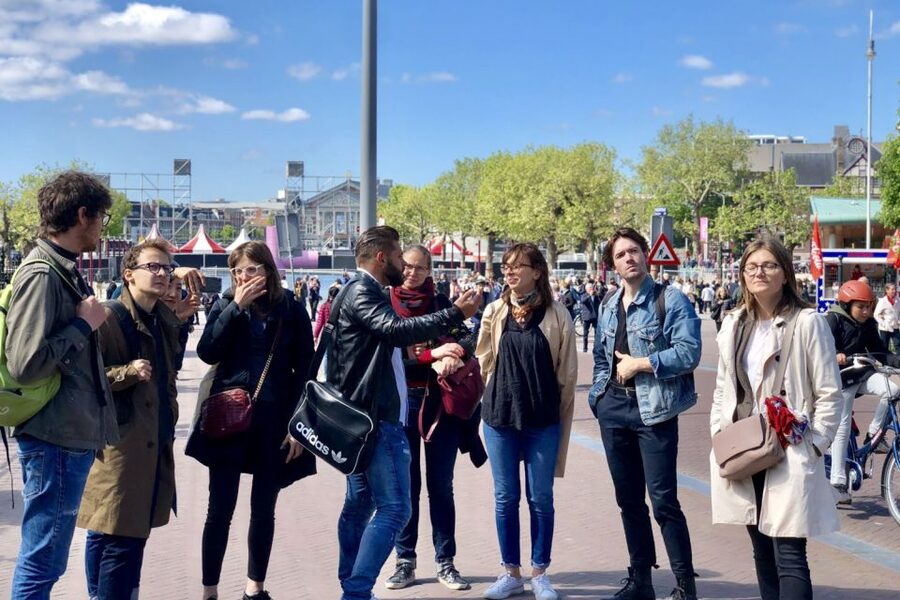
- Private-guide orientation: You get context as you move, not after you get lost
- Dam Square plus canal-side Amsterdam: Royal Palace, Nieuwe Kirk, bridges, and merchant-house streets
- Historic houses and unusual spaces: Ons’ Lieve Heer op Solder and the older inner-courtyard feel at Begijnhof
- Jordaan and artist-street energy: You pass through areas that feel different from the station zone
- Bridge photos are part of the route: Magere Brug and Blauwbrug come in at the right moments
- Small-group feel: Offered as private, and semi-private can run with up to 8 guests
A 2.5-hour Amsterdam orientation that doesn’t feel like a “tour”
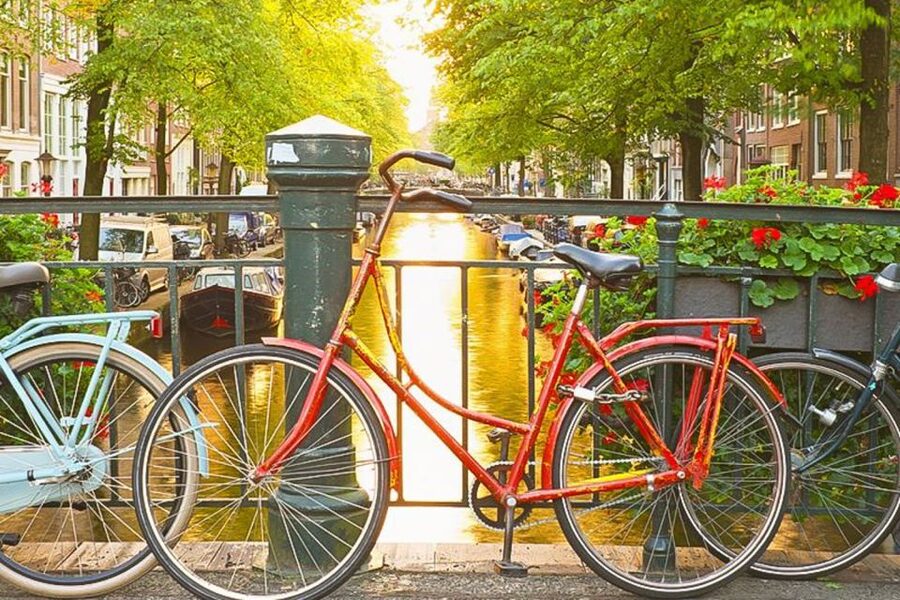
Amsterdam can be confusing fast. Streets loop. Canals cut in. And it’s easy to spend your first day just searching for your next landmark like it’s a scavenger hunt. This walk is designed to prevent that exact problem.
The best part is the way it’s framed as orientation. You learn the city’s logic early, then you see it pay off while you’re still on your feet. The tour takes you from Central Station-adjacent streets into the historic center, then through the Canal Belt areas, and finally back toward the grand showpiece of Dam Square. Along the way, you’re pointed toward bridges, canal views, barges or houseboats you might spot, and the kind of merchant-town architecture that makes Amsterdam feel built for trade.
If you want a first-day plan that gives you a mental map you can keep using, this one does that. And if you want to avoid the chaos of big group tours, the private-guide setup is the right move.
More Guided Walking Tours in Amsterdam


Meeting point and walking pace, what it feels like in real life
The meeting point is outside the entrance of St Nicholas Church, on the opposite side of Central Station. That’s a smart start because it’s easy to reach and because you’ll begin close to the busy, landmark-heavy area without starting your day already exhausted.
From there, the route keeps moving. The itinerary is structured in quick segments, often with a short photo moment and a guided explanation before you walk to the next stop. Most stops are listed at around 10 minutes, so you’re not stuck in any one place. That’s good if you want momentum and context.
Two things to keep in mind:
- You’re covering a lot of ground in a short time, so wear comfortable, weather-appropriate clothes.
- If you like slow museum browsing, plan for that on another day. This is more “understand what you’re looking at” than “stay inside for hours.”
The route is also offered in different formats. The experience you’re looking at is described as 12 guests, and the operator also offers semi-private tours with a maximum of 8 guests (with a minimum of 2 to run). In either case, you’ll get a guide speaking directly to you, not just through a megaphone.
Stop-by-stop: from St Nicholas Church to the Weeping Tower
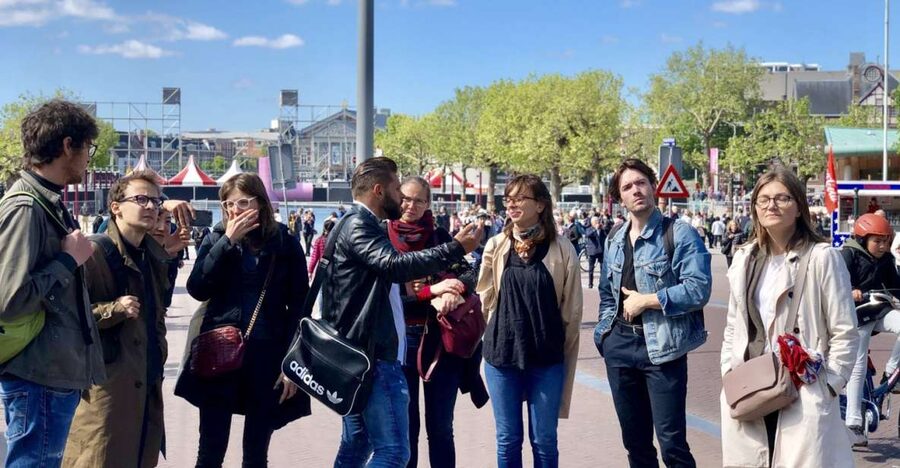
You start near St Nicholas Church, which places you right in the heart of Amsterdam’s early story. This is the kind of opening that helps you connect what you see later to what the city used to be.
Basilica of Saint Nicholas
Expect a quick photo stop and a guided look. Even if you don’t go deep into church interiors, the exterior and surrounding streets help you anchor the walk to the Central Station area you’ll recognize immediately when you come back later.
Weeping Tower
Right after, you hit the Weeping Tower area. It’s a great example of how the city uses memorable names and symbols. The “weeping” detail gives your guide an easy way to explain the darker or more human side of maritime and trading history, which you’ll hear echoed again in the canal-belt merchant themes.
More gables counted on foot:
- Amsterdam: Anne Frank Guided Walking Tour in DE/EN/IT/ES
★ 4.9 · 3,107 reviews - Amsterdam: Anne Frank Guided Small Group Walking Tour
★ 4.8 · 2,722 reviews - Amsterdam: Cultural Highlights Walking Tour
★ 4.9 · 2,629 reviews - Amsterdam: Ganja Walking Tour
★ 4.2 · 2,127 reviews
Zeedijk Street
From there, the walk flows through Zeedijk Street. This is one of those Amsterdam streets where your senses start tuning in. It’s busy enough to feel real, but it’s also positioned so the guide can connect it to the city’s different quarters.
Ons’ Lieve Heer op Solder (Our Lord in the Attic Museum)
Next up is Ons’ Lieve Heer op Solder. Even with a short visit, it’s the kind of stop that changes how you think about Amsterdam’s architecture. You’re not just seeing a church and moving on. You’re getting the idea that these spaces were shaped by practical life and religious history, and that the city reused rooms and design choices to fit real needs.
If you’re curious about why Amsterdam buildings look the way they do, this is an early highlight because it’s not just “another landmark.”
Oude Kerk, Nieuwmarkt, and the trader’s Amsterdam you can see
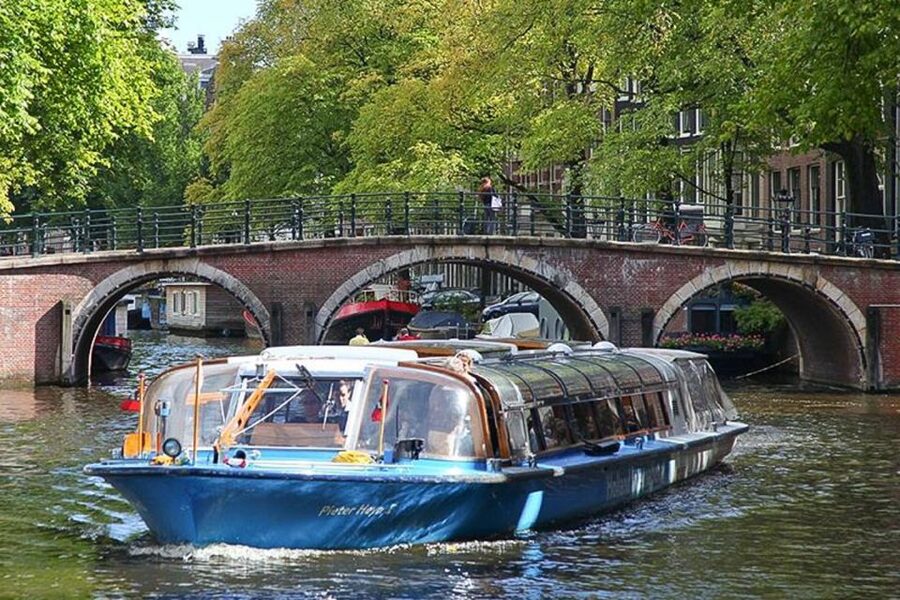
As you move toward the historic center, the tour leans into merchant-city Amsterdam, where wealth, trade, and street life all share the same real estate.
Oude Kerk
Oude Kerk is another fast photo and guided stop. The value here is in the framing. Your guide connects the oldest-feeling structures to how the city grew, especially through the water routes. It’s a useful way to understand why canals matter so much in Amsterdam’s layout.
Nieuwmarkt Square
Then you arrive at Nieuwmarkt Square, which works well as a pivot point. It’s a big open space in the old-center area, and it helps you regroup visually before the walk pushes toward smaller streets and canal-belt lanes.
De Waag Restaurant
A quick stop at De Waag adds another trade-related layer. The name alone points to commerce, measurement, and the kinds of structures a trading city needs. Even if you don’t go inside, your guide can help you read the building as part of the city’s working system rather than just a pretty stop.
Het Trippenhuis
Next is Het Trippenhuis. This is where the tour’s “merchant houses and canal-belt” focus starts to become more visible. The guide can point out how architecture signals status, wealth, and the kind of commercial networks Amsterdam relied on.
Jewish Quarter, Amsterdam
You then pass through the Jewish Quarter area. This section is useful because it keeps the history grounded. Rather than treating Amsterdam like a set of photo angles, you’re seeing neighborhood context.
Your time here is still short, but it’s meaningful because it helps you avoid the common first-timer mistake of separating “pretty buildings” from “real community history.”
Museum Rembrandthuis
After the Jewish Quarter comes Rembrandthuis. Even with a brief stop, the guide can use it as a springboard to talk about how art and trade overlapped in the city. You end up understanding why famous residents were drawn here, not just that they lived here.
The opera area, Zuiderkerk, and the walk toward the Amstel
Amsterdam’s center doesn’t just feel historic. It also feels practical and evolving. The next cluster of stops shows that in a grounded way.
Dutch National Opera & Ballet
You’ll see the Dutch National Opera & Ballet area. It’s a nice “today meets old city” moment, a reminder that Amsterdam isn’t frozen in time. You get a landmark stop that also helps you orient where you are relative to the broader city.
Zuiderkerk
Then comes Zuiderkerk. Churches in Amsterdam often function as more than religious buildings. They become landmarks you remember on your own later, which is exactly what you want from an orientation tour.
Amstel
Next is Amstel. This is a turning point in the walk because the city’s origin story becomes visible again. The Amstel is part of why Amsterdam developed the way it did, and your guide’s explanations help you connect the geography to the history.
When you get to the water areas, you also start understanding why bridges, canal curves, and even small streets matter. They’re not random. They’re connected.
Bridge time: Magere Brug, Blauwbrug, and what to look for on the Canal Belt
Now you hit the part many people come for: the bridges. The tour includes both Magere Brug and Blauwbrug, and it treats them as more than photo props.
Magere Brug
Magere Brug is one of those Amsterdam bridges that instantly reads as iconic. The best way to enjoy it is to look beyond the postcard view and pay attention to what the bridge does to the waterline, how it frames the canal, and how the surrounding streets funnel you back into the canal-belt rhythm.
Your guide’s context helps you see that the canal system is the city’s backbone, not a decorative feature.
Blauwbrug Bridge
Then Blauwbrug comes into view. It’s a different feel, and it helps you see that Amsterdam’s bridge style changes across neighborhoods. That variety is one of the reasons the Canal Belt is so satisfying to wander even after the tour ends.
Prinsengracht
You later pass along Prinsengracht. This is a strong moment for canal recognition. If you look down at the canal edge, you’ll start noticing the patterns in building fronts, the way boats appear in your line of sight, and how the city’s water logic keeps repeating.
And yes, your guide is also focused on merchant-house clues here, including the kind of leaning or uneven historic structures that make Amsterdam architecture look both charming and slightly improbable.
Begijnhof, Amsterdam Museum, and the quiet-courtyard mood shift
Amsterdam has loud streets and quiet ones. This part of the walk helps you feel the contrast.
Begijnhof
The Begijnhof is one of the oldest inner courts in the city. This is the stop that often makes people exhale. You go from streets and canal edges into an enclosed-feeling courtyard space, which is exactly what the tour description promises: tree-lined squares and private courtyards as a change of pace.
Even in a short time, this stop teaches you something practical: Amsterdam isn’t only about the canal frontage. Some of its most memorable atmosphere sits behind gates and inside courtyards.
Amsterdam Museum
Then you stop at Amsterdam Museum. This part is a good way to connect today’s city to the layers beneath it. You might not spend hours inside during this walk, but you’ll leave knowing what kind of building and story it represents and why it belongs in a city-center orientation.
Westerkerk and Dam Square: ending where your photos and memories live
The walk keeps finishing power for the end, with two landmark anchors: Westerkerk and Dam Square.
Westerkerk in the Jordaan district
The tour includes the Westerkerk area in the Jordaan district. Your guide also points out the vibe shift here, including the idea of a street culture linked to artists’ squats, which helps explain why some streets feel more creative and less purely monumental.
If you like to understand a neighborhood’s mood, this is a smart section. It’s not just architecture. It’s what the area feels like.
Dam Square
Finally, you reach Dam Square. This is where the city’s biggest “first-time visitor” sights sit together, including the Royal Palace and the Nieuwe Kirk.
Even if you’ve seen Dam Square photos before, seeing it at the end matters. You’ll understand where the water and merchant-city history threads lead. It’s easier to connect your route to your surroundings, and that makes the whole day feel like it forms one coherent story instead of a list of stops.
Price and value: is $61 a good deal for this kind of tour?
At $61 per person for a 2.5-hour guided walking experience, the value depends on your goal.
If you want:
- a route you can copy later,
- historical context at each major stop,
- and an insider perspective on how to spend time in Amsterdam,
then paying for a guide is often worth it. You’re not just buying “sightseeing.” You’re buying fewer wrong turns, faster orientation, and a cleaner first day.
If your goal is:
- long museum time,
- deep, inside-the-building explanations,
- or a slow, meander-with-no-plan wandering day,
then you might feel this is too structured. The tour format is built for pacing, so expect photo stops and brief guided moments rather than extended indoor time.
So my practical advice: treat it as your day-one map-maker, then use what you learn to guide your later half-days and museum visits.
The guide factor: what makes Monique-style guiding work
One verified booking highlighted Monique as the expert guide, and that matches what you want from a city walk. She was described as attentive and friendly, and she handled lots of different topics like art, history, architecture, and food.
That matters because Amsterdam rewards curiosity. If your guide can answer follow-up questions and keep explanations tied to what you’re seeing right now, the tour becomes more than a route. It becomes a conversation plus a checklist you can remember later.
Who should book this, and who might prefer something else
This tour is a strong fit if you:
- are visiting for the first time and want your bearings in the historic center,
- want the classic Amsterdam core, including bridges and canal-belt views,
- like architecture and city planning as much as sights,
- and prefer a smaller group and a private-guide feel.
You might skip it if you:
- want long indoor time at museums and churches,
- need wheelchair-friendly access, because the tour is listed as not suitable for wheelchair users (with the note that wheelchair-accessible options are only available by request).
Also, if you don’t handle walking well, check how your day plans pair with this. It’s a dense route, designed to keep you moving.
Should you book Amsterdam City Center Guided Walking Tour?
Book it if you want a guided orientation that connects Amsterdam’s landmarks to the real geography behind them. The itinerary hits Dam Square, canal-belt areas, bridges like Magere Brug and Blauwbrug, and memorable stops such as Ons’ Lieve Heer op Solder and Begijnhof. In 2.5 hours, you’ll come away with a mental map that makes the rest of your trip easier.
Skip it if you’re the type who needs deep, slow museum time, because this walk is intentionally brief at each stop. Use it as your first-day foundation, then build later days around the places that genuinely pull you in.
FAQ
Where is the meeting point for the tour?
You meet your guide outside the entrance of St Nicholas Church, on the opposite side of Central Station.
How long is the Amsterdam City Center Guided Walking Tour?
The tour lasts about 2.5 hours.
What does the tour cost?
The price is listed as $61 per person.
Is the guide private or group-based?
The tour includes a private guide. It can run as either a private tour or a semi-private tour.
How many people are in a semi-private tour?
For semi-private tours, the maximum group size is 8 guests, and a minimum of 2 guests is required for it to run.
What languages are available for the live guide?
The live guide can operate in Portuguese, Spanish, Dutch, French, English, or Italian.
What is included and not included?
Included is the private guide. Not included are food and drinks, gratuity, and hotel pick-up and drop-off.
What should I bring?
Bring a passport or ID card, and wear comfortable clothes appropriate for the weather.
Is there anything I cannot bring on the tour?
Luggage or large bags are not allowed.
Is the tour wheelchair accessible?
The tour is listed as not suitable for wheelchair users, but wheelchair-accessible tours are only available by request.
Latest to arrive along the quays of Amsterdam





City Tours, compared.
75 Minute City Canal Cruise with Audio Guide
Read our review →
City Centre Canal Cruise including Audioguide
Read our review →
City Canal Cruise and Heineken Experience Ticket
Read our review →
City Card with Free Entrance & Public Transport
Read our review →
Browse the lists this tour appears in