
Reviewed · MUSEUM TOURS IN AMSTERDAM
Amsterdam: Canal House Museum ‘Van Loon’ Entry Ticket
A canal house with real-world gravity. At Museum Van Loon, you get to tour a 17th-century canal home at your own pace, and I especially love the portrait gallery and the quiet inner garden. The one drawback to plan for: a few rooms can feel a bit light on interpretation, so go in ready to look carefully and take your time.
This is a calm, self-guided visit that runs like a slow walk through status, art, and daily life. You can connect the architecture to the people who lived here, from the first tenant painter Ferdinand Bol to the Van Loon family, then finish in the coach house spaces when you want a change of mood.
At about $21 per person for a full day in one of Amsterdam’s best-known canal-belt locations, it’s a value ticket if you like interiors, gardens, and family-story history more than crowds.
In This Review
- Key things that make Museum Van Loon worth your time
- Finding Keizersgracht 672, then building the day around it
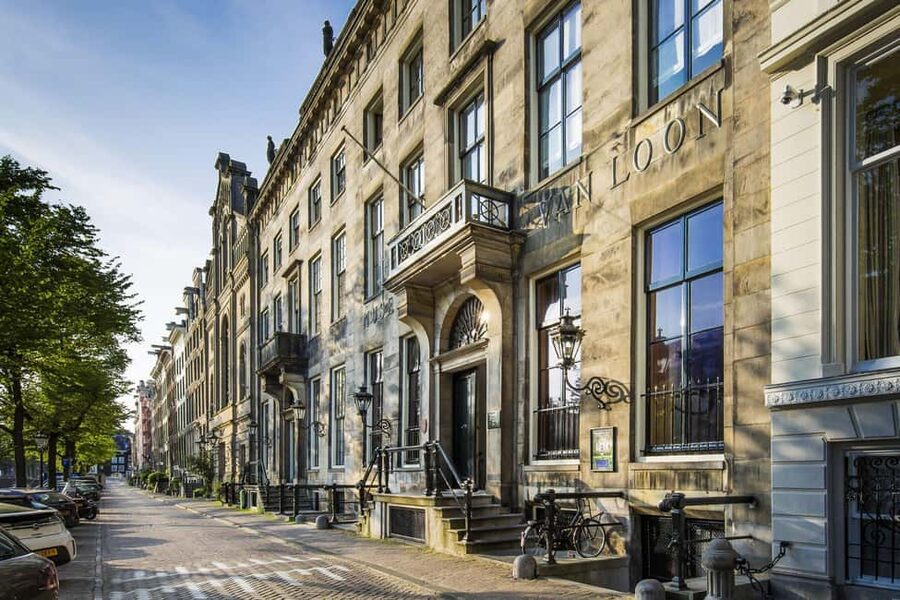
- Entering a 1672 canal house that feels like a real home
- Portrait gallery: where the family story becomes human
- Ferdinand Bol, the Van Loons, and how this home links to the wider world
- The art, furniture, and utensils you’ll actually notice
- Inner garden seasons: the calm part of a canal-belt day
- Coach house: why it matters that it’s included
- Price and value: $21 for a full, varied property visit
- Who Museum Van Loon is best for, and who should think twice
- A simple game plan for your one-day visit
- Should you book Museum Van Loon Canal House?
- FAQ
- Where is Museum Van Loon located?
- How much does the Amsterdam Canal House Museum Van Loon ticket cost?
- How long is the visit?
- What are the opening hours?
- What is included with the ticket?
- Is food or drinks included?
- What can I see inside the museum?
- Are there starting times?
- Can I cancel my booking?
- Is this experience suitable for wheelchair users?
- Can I reserve now and pay later?
Key things that make Museum Van Loon worth your time
- A 1672 canal house you can actually walk through inside the Amsterdam canal belt
- Portrait gallery focused on the Van Loon family, built into the home, not stuck in a separate wing
- History with names, including painter Ferdinand Bol before the Van Loons
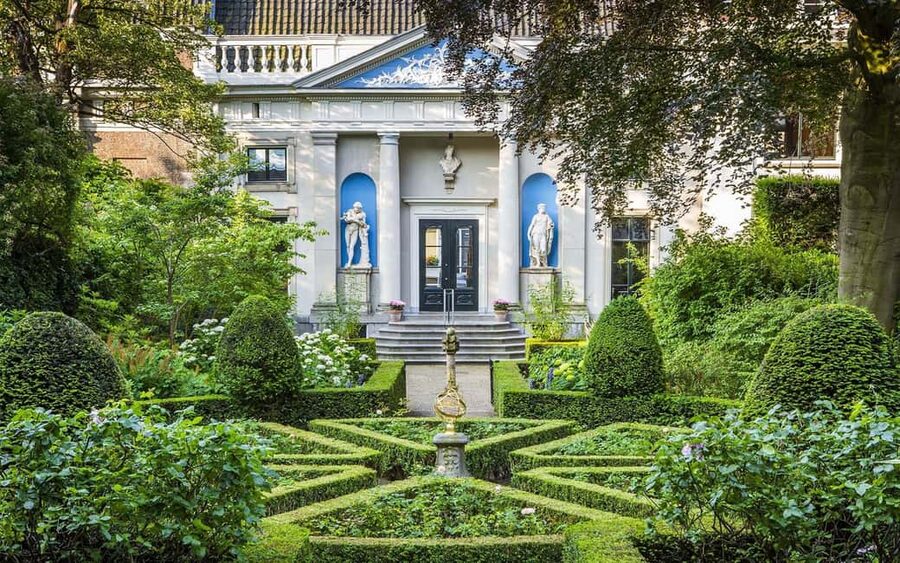
- An inner garden visit, a peaceful break from canal streets
- A coach house, included in the ticket so your visit feels like a property, not just a showroom
- Occasional temporary exhibits that can add a little variety to your loop
Finding Keizersgracht 672, then building the day around it
Museum Van Loon sits right on Keizersgracht 672 in Amsterdam’s canal belt area. That location matters because you can tie the visit to a wider walking plan. Even if you only have one day, this area is ideal for pairing museum time with a calm canal stroll before or after, instead of bouncing across the city.
Plan your visit for when you want a slower pace. The museum is open 7 days a week from 10:00 AM to 5:00 PM, so you can fit it into either a morning block or an afternoon block. If you like to take photos, read labels, and sit for a minute, I’d aim closer to late morning, when you’re less likely to feel rushed.
One practical tip: this place is essentially a historic home with garden and outbuildings. That means you will do more walking than you might expect for a ticket that sounds short on paper (it’s listed as 1 day). Wear comfortable shoes and give yourself margin, because the charm here comes from lingering.
More Museum Tours in Amsterdam



Entering a 1672 canal house that feels like a real home
The headline is the building itself. This mansion was constructed in 1672 and opened to the public in 1973, so you’re touring a space that has been readapted for museum life while still keeping the feel of a private residence.
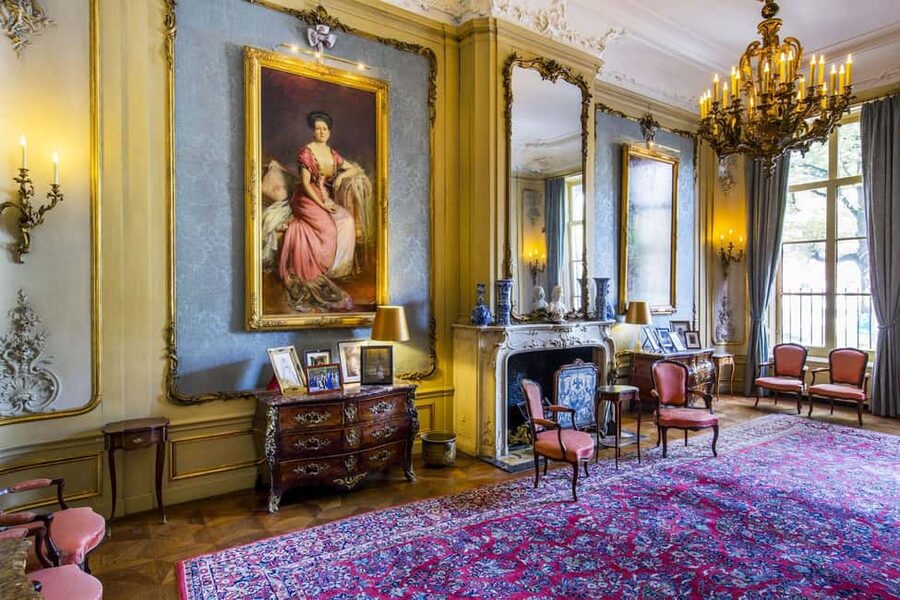
What I like most about that is how the rooms tell you things without needing a big lecture. Canal houses were about status, but also about function, movement, and who had access to what spaces. In Museum Van Loon, you get to experience that logic as you move from room to room, rather than seeing everything as isolated “objects behind glass.”
You’ll wander historic rooms at your own pace, and the museum connects the building to the people who lived there. The story starts with painter Ferdinand Bol as the first tenant, then moves forward to the Van Loons. That shift is important because it stops the visit from feeling like a random collection. You’re following a home’s timeline.
A quick consideration: because this is a home-scale museum, not every room will hit as hard as the ones with the strongest visual payoffs. One visitor experience described some rooms as fairly empty and wished for more explanation. You can fix that by leaning into the architectural details and taking extra time with the places that have the strongest portrait and furniture displays.
Portrait gallery: where the family story becomes human
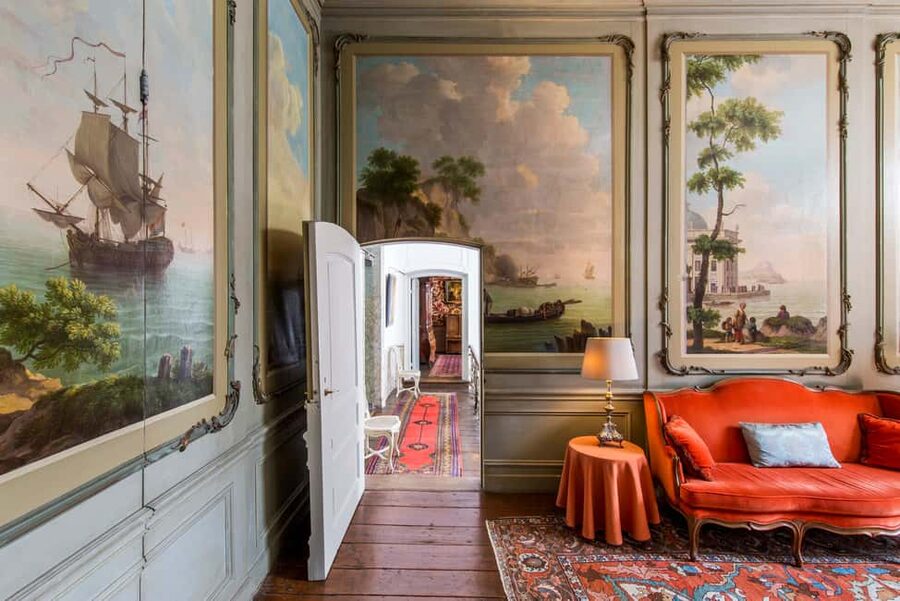
A major highlight is the impressive portrait gallery. Instead of treating the Van Loons as a name on a placard, the museum gives you a wall-level view of who the family was, and the portraits are placed where they belong, in the context of the house.
This is one of those museum moments where your brain naturally starts doing detective work. You look at clothing, presentation, and composition, then ask what kind of household would want to display that. Because the gallery is tied to the family that lived in the home, it lands differently than a stand-alone portrait exhibit.
If you like art history, you’ll likely enjoy how the portraits work alongside other collections. Museum Van Loon also presents paintings, furniture, and everyday utensils, so the portrait gallery sits inside a broader picture of taste and daily habits. Even if you are not an expert, you can still read the household through what they chose to keep.
And because this is your own paced visit, you can linger when you spot a detail that catches your eye, then move on when you want your legs to do the work.
Ferdinand Bol, the Van Loons, and how this home links to the wider world
One of the best ways to understand this museum is to treat it like a set of windows. The house shows you the family, but it also shows you how their lives connected to the city and to the world.
The museum specifically traces the house through tenants and occupants, starting with painter Ferdinand Bol and then the Van Loons. That’s your anchor for understanding how a building can shift roles over time while still carrying its original prestige.
Then comes the everyday material culture. The museum includes items used in daily life, plus art and furnishings. That combination is more useful than it sounds. It helps you picture what people did at home, not only what they posed for.
One verified booking highlighted learning about Dutch history of the time of the Oriental Indian company. You might not see that as a headline in every room, but the museum’s approach lets you connect the household story to an era when trade and global business shaped wealth and influence in the Netherlands.
The art, furniture, and utensils you’ll actually notice
Museum Van Loon’s collection is broad enough to satisfy more than one kind of museum-goer. You’ll see paintings, furniture, and utensils for everyday use. That last category matters. When a museum includes tools and household items, it changes the tone from decorative to real.
Here’s the practical way to experience it: slow down for the rooms where you can compare categories. Look for how furniture placement supports daily routines. Notice how utilitarian items are stored or displayed. Then, connect it back to the portrait gallery and the sense of identity the family wanted to project.
Some visitors will want more interpretation in certain spots, but the fix is simple. Use your own observation as the “label.” Ask what you’d do in that space and who would use it. If you enjoy visual learning, you’ll get plenty out of this.
Temporary exhibits can also appear during your visit. That’s a nice bonus if you like a little change of pace without having to travel to a new museum entirely. Since they’re occasional, don’t build your expectations around a specific exhibit title, just treat it as a potential extra stop within the same building.
More museum halls off the squares:
- Amsterdam: Van Gogh Museum Ticket and City Canal Cruise
★ 4.6 · 3,899 reviews - Amsterdam: Van Gogh Museum Ticket & Canal Cruise
★ 4.5 · 3,304 reviews - Amsterdam: NEMO Science Museum Ticket
★ 4.4 · 2,979 reviews - Van Gogh Museum Amsterdam Exclusive Tour w/ Reserved Entry
★ 5.0 · 1,760 reviews
Inner garden seasons: the calm part of a canal-belt day
After the formal rooms, the inner garden is the reset button. It’s described as peaceful and splendid, and it’s also one of the places where the museum changes from “indoors grandeur” to “living space.”
Even without a fancy guide, the garden does something valuable: it makes the house feel inhabited by time. The museum is set up so you can experience the passing of the seasons in the garden. That seasonal idea gives meaning to what you’re seeing, especially if you visit in a different month than someone who came earlier.
This is also a great spot to take a break if you’ve been walking Amsterdam for a while. You can step away from the canal street energy, sit where it feels natural, and let the contrast do its work. In a city known for canals and crowds, that kind of quiet is part of the value.
Coach house: why it matters that it’s included
The ticket includes the coach house, so you don’t leave the property feeling like you only toured the public-facing rooms. A coach house is where you start thinking about movement, transport, and the logistics of daily life for a wealthy household.
You’ll explore the coach house along with the garden, and the best way to get value here is to treat it like an extension of the property. Instead of chasing the “main rooms” only, give yourself time to understand how the household functioned as a whole.
If your travel style leans toward practical history, this part can be satisfying. It helps you imagine the rhythms around the house, where deliveries, animals, storage, or vehicle-related tasks fit into everyday life. You may not get the same dramatic visuals as the portrait gallery, but the inclusion makes the experience feel more complete.
Price and value: $21 for a full, varied property visit
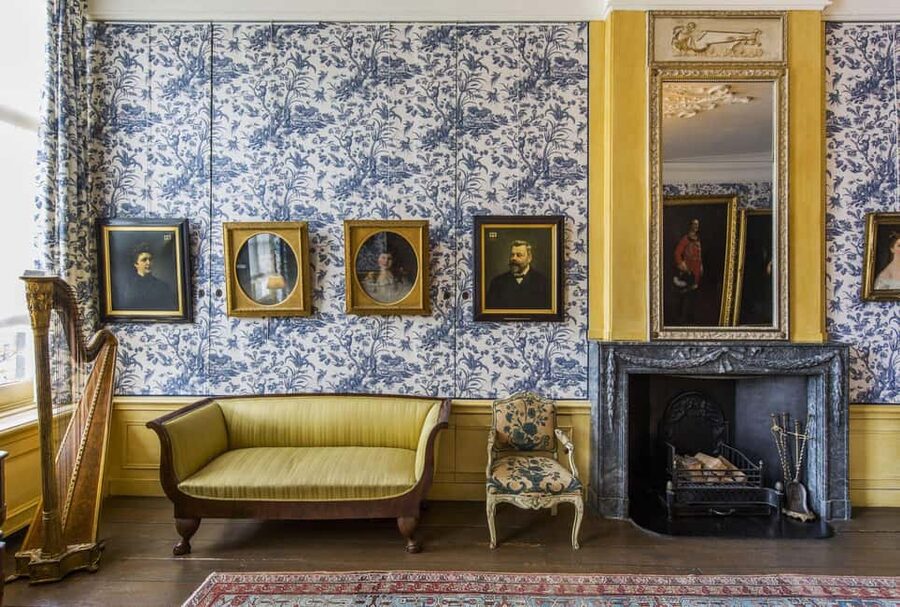
The ticket price is listed at $21 per person. For Amsterdam, that’s not pocket change, but it can be a strong value if you actually use the full scope of the visit.
Here’s what you get for your time:
- The 1672 canal house interior spaces
- The portrait gallery and family-focused displays
- Collections that mix paintings, furniture, and everyday utensils
- The inner garden with seasonal feel
- The coach house
- Occasional temporary exhibits
So you’re not paying for one room type. You’re paying for a full property with multiple zones and a clear theme: the household of the Van Loon era, layered over earlier ownership and tenants including Ferdinand Bol.
If you only like modern museums or you prefer big crowd-free halls with lots of novelty, you might find a smaller historic house style museum less exciting. But if you like interiors, garden calm, and the way objects tell stories, it’s priced like a focused experience, not like a gamble.
Who Museum Van Loon is best for, and who should think twice
This ticket is a good match if you:
- Want a quieter, self-guided museum day
- Love historic interiors and home-like displays
- Like portraits and family storytelling tied to a specific place
- Enjoy gardens, especially as a mood change during sightseeing
It’s a less good match if you:
- Need a museum designed for mobility devices. This experience is not suitable for wheelchair users, and it isn’t recommended for people with mobility impairments.
- Want tons of action or hands-on experiences. This is a place for looking, walking, and reading at your pace.
Also, based on one critique, if you crave heavy interpretation in every single room, you might feel unevenness from room to room. I’d still recommend going, but with the mindset that your observation is part of the fun.
A simple game plan for your one-day visit
Because you’re looking at a whole property, I’d plan it as a loop:
1) Start with the main rooms and family-linked displays, so you understand who lived here and why the house matters.
2) Spend your time where the museum gives you the strongest visual story, especially the portrait gallery.
3) Continue through the collections, including furniture and everyday utensils, to connect taste with daily use.
4) Shift to the inner garden for a mental reset and seasonal pacing.
5) Finish with the coach house when you want to round out how the household actually worked.
If you do this, you won’t feel like you rushed the best parts, and you’ll get a balanced sense of home, art, and atmosphere.
One more note from real-world experience: the museum is listed as open from 10:00 AM to 5:00 PM. Still, on the day you go, it’s smart to check hours or on-site notices, because one verified booking reported an unexpected closed experience. That’s rare, but it’s a good habit in Amsterdam.
Should you book Museum Van Loon Canal House?
Yes, if you want a satisfying one-day museum visit that feels like stepping into a real Amsterdam residence. The 1672 building, the portrait gallery focused on the Van Loons, and the included inner garden and coach house make it more complete than many single-room experiences. At $21, it’s also a reasonable price for the amount of variety you get across interiors, collections, and outdoor calm.
Don’t book if you strongly need mobility-friendly access or if you only enjoy museums with wall-to-wall dense interpretation. If that’s you, you might prefer a larger museum where every room has a more uniform level of explanation.
If you like the idea of understanding a family through the house they lived in, and you’re ready to slow down and look, Museum Van Loon is a smart choice.
FAQ
Where is Museum Van Loon located?
Museum Van Loon is on the canal at Keizersgracht 672 in Amsterdam.
How much does the Amsterdam Canal House Museum Van Loon ticket cost?
The ticket is priced at $21 per person.
How long is the visit?
The experience is valid for 1 day.
What are the opening hours?
Museum Van Loon is open 7 days a week, from 10:00 AM to 5:00 PM.
What is included with the ticket?
The ticket includes admission to Museum Van Loon.
Is food or drinks included?
No. Food and drinks are not included.
What can I see inside the museum?
You can explore the 17th-century canal house, the inner garden, the coach house, and collections including paintings, furniture, and everyday utensils, plus an impressive portrait gallery. There may also be occasional temporary exhibits.
Are there starting times?
The ticket is valid for 1 day, and starting times depend on availability, so you should check what time slots are offered.
Can I cancel my booking?
Yes. You can cancel up to 24 hours in advance for a full refund.
Is this experience suitable for wheelchair users?
No. It is not suitable for people with mobility impairments or wheelchair users.
Can I reserve now and pay later?
Yes. You can reserve now and pay later, so you can book without paying today.
Latest to arrive along the quays of Amsterdam





Museum Tours in Amsterdam, compared.



Amsterdam’s Weirdest Museum: Ripley’s Believe It or Not!
Read our review →



Van Gogh Museum Amsterdam Exclusive Tour w/ Reserved Entry
Read our review →
Moco Museum Amsterdam Admission Ticket with Banksy and more
Read our review →Browse the lists this tour appears in