
Reviewed · MUSEUM TOURS IN AMSTERDAM
Amsterdam: ARTIS-Micropia Microbe Museum Entry Ticket
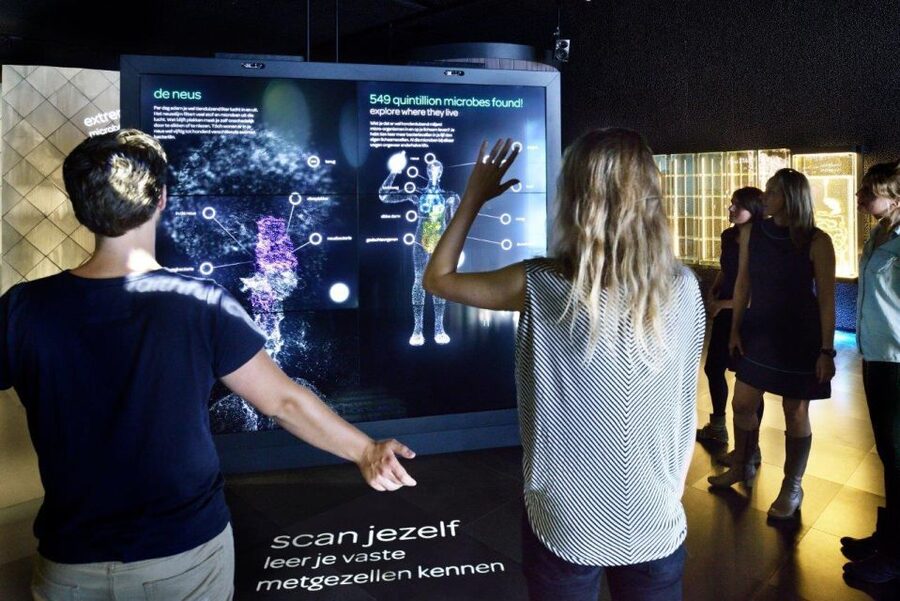
Tiny life takes over Amsterdam. ARTIS-Micropia turns invisible microbes into something you can see, with the world’s only microbe museum setting the stage right in the ARTIS area. The experience gets personal fast because you can use a self-scan to uncover microbes living on and inside you.
I really like how Micropia mixes hands-on science with story, so it does not feel like a dry lecture. The microbe stamp trail helps you move through the exhibits on purpose, and the museum leans on microscopes, interactive displays, and stories from lab staff to connect what you see to how microbes affect health and nature.
The main thing to consider is value: at about $21 per person, it can feel a little pricey if you are expecting a big museum with lots of rooms. If you go with curiosity and a willingness to slow down for interaction, it is a far better fit.
In This Review
- Key things that make ARTIS-Micropia worth your time
- Entering ARTIS-Micropia: the setting that makes science feel friendly
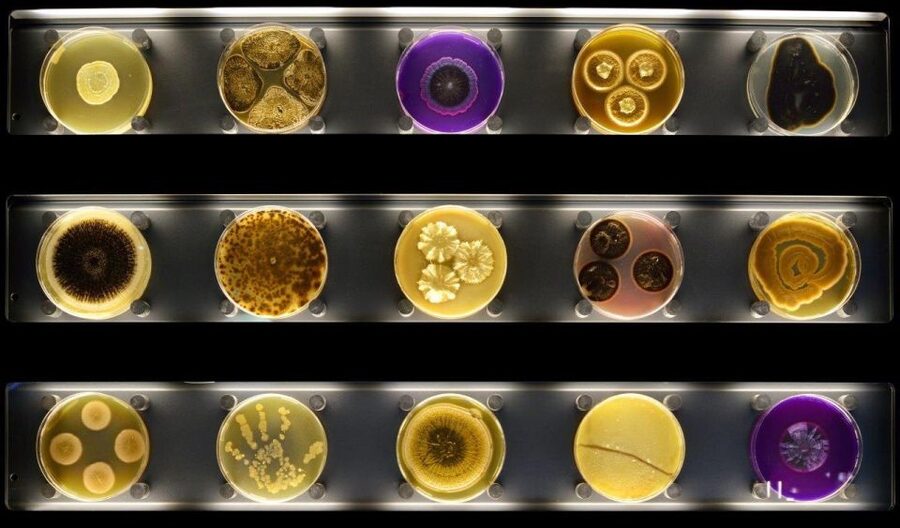
- What you actually see inside: microbes turned into real visuals
- The self-scan and microbe stamps: the two experiences that drive the whole visit
- Lab talks in front of the Laboratorium: the daily beat you should plan around
- Micro Mission spring break: a free workshop that changes the pace
- How long to plan, and a good way to structure your day
- Nearby add-ons in the ARTIS complex: how to build a full day
- Price and value in Amsterdam: is $21 a fair trade?
- Practical tips that can make or break your day
- Who should book ARTIS-Micropia, and who might skip it
- Should you book ARTIS-Micropia?
- FAQ
- What is ARTIS-Micropia, and where is it located?
- How long should I plan to spend there?
- What is included in the entry ticket?
- What is the recommended age for Micropia?
- Are children able to enter for free?
- Does Micropia offer anything special during spring break?
- What else can I visit nearby at the ARTIS complex?
Key things that make ARTIS-Micropia worth your time
- World’s only microbe museum, right in the heart of Amsterdam at Plantage Kerklaan 38-40
- Self-scanner experience reveals microbes on and inside you, with results that can surprise you
- Collect microbe stamps as you go, turning the visit into a light scavenger hunt
- Daily lab talks happen in front of the Laboratorium, adding a real-science rhythm to your route
- Interactive displays use microscopes, animations, and lab-style storytelling for kids and adults
- Good family deal: children age 0 to 12 enter free
Entering ARTIS-Micropia: the setting that makes science feel friendly
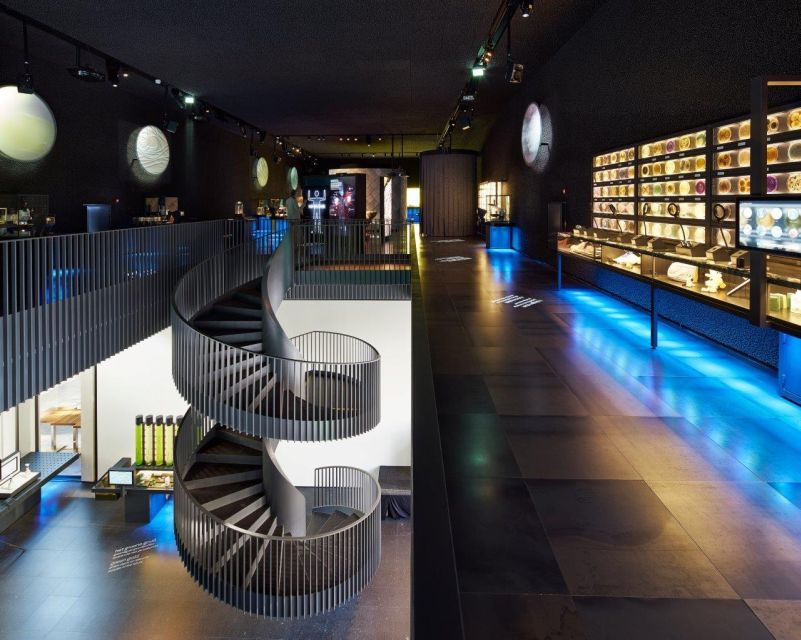
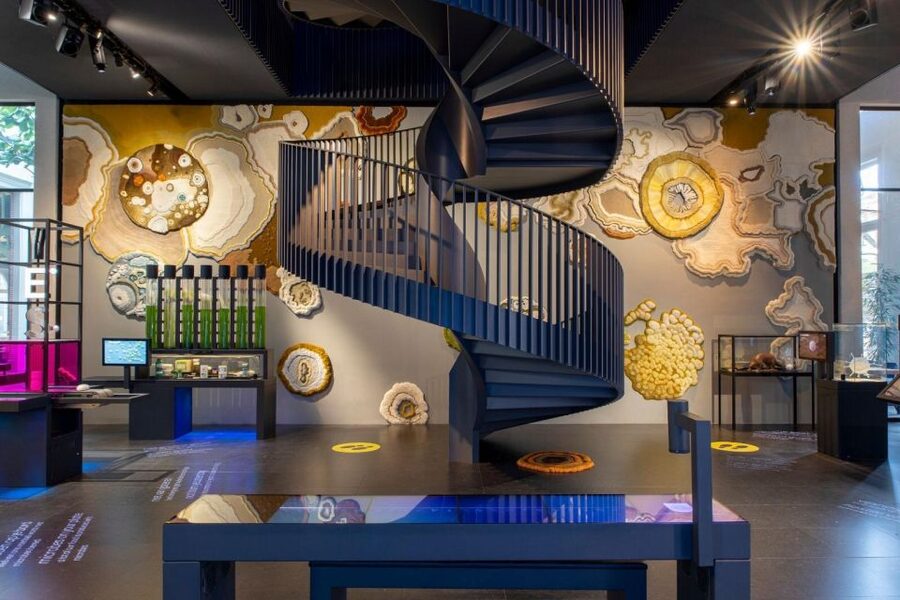
Micropia sits inside the larger ARTIS complex area, so you get more than one reason to visit this part of Amsterdam. The big advantage for you is convenience: it is about a 10-minute walk from the city center, so it slots neatly into a half-day or full-day plan.
The meeting point is Plantage Kerklaan 38-40, which is also useful if you are coordinating with the rest of your ARTIS day. The museum itself runs daily from 10:00 to 17:00, with special holiday hours on 24 to 26 December and 31 December, plus a later start on 1 January.
When you arrive, plan to keep your visit moving but not rushed. This is not the type of museum where you scan everything in 30 minutes and move on. The best parts are interactive, and they reward time spent reading, scanning, and watching the lab-focused moments.
More Museum Tours in Amsterdam



What you actually see inside: microbes turned into real visuals
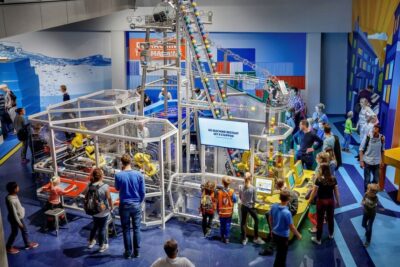
The core idea is simple: microbes are everywhere, but your eyes cannot see them. Micropia makes that invisible world visible through a mix of living microbes, microscope viewing, interactive exhibits, and stories that explain why microbes matter.
You should expect content that spans multiple angles:
- microbes in the air and environment
- microbes on your skin
- microbes in your gut
- microbes and how they help food taste better, support health, and keep nature in balance
This is also why the museum works for different ages. Adults tend to connect the dots between microbes, digestion, and ecosystems. Kids often latch onto the hands-on displays and the chance to learn through questions and playful discovery.
One practical note: the museum has a lab feel, including the Laboratorium area where you can catch scheduled talks. That helps you understand this is not just a themed exhibit. It is built like a working science space, at least in spirit and presentation.
The self-scan and microbe stamps: the two experiences that drive the whole visit
If you want one reason to prioritize Micropia in your Amsterdam plan, it is the combination of the self-scan and the microbe stamp workflow. The scan gives you a direct personal hook, because you are literally prompted to consider what is living on and inside you.
Your results might feel surprising, and that is part of the point. Instead of treating microbes as scary germs, the museum frames them as essential parts of life. You are learning that balance matters, and that not all microbes are the same role in the story of health.
After you scan, the museum naturally turns into a route. As you move through exhibits, you collect microbe stamps, which nudges you to keep going rather than drifting. It also gives your visit an ending point, which is helpful because you are likely to want to revisit sections that caught your attention.
A tip that saves time: keep an eye on your pace. The stamp hunt makes you want to read everything, and you will. If you are short on time, aim to do the scan early, then focus on exhibits that connect to the topics you care about most, like skin microbes, gut microbes, or environmental life.
Lab talks in front of the Laboratorium: the daily beat you should plan around
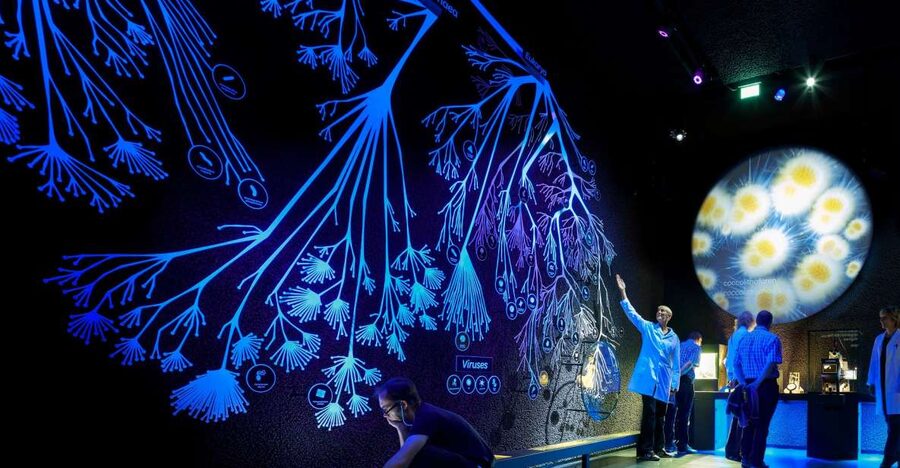
Micropia includes daily lab talks in front of the Laboratorium. Even if you are not a hardcore science fan, this is a smart element because it gives the day a rhythm. You can build your timing around a talk instead of wandering randomly.
For you, the value is that these moments turn museum information into something you can ask about and react to. The museum is framed by lab technicians and their stories, and that makes the science feel current rather than static.
If you are traveling with kids, lab talks also work like a reset button. They tend to break up long reading stretches and refocus attention. If you are traveling as a couple or with friends, it helps too, because you can compare what you took away right after.
Micro Mission spring break: a free workshop that changes the pace
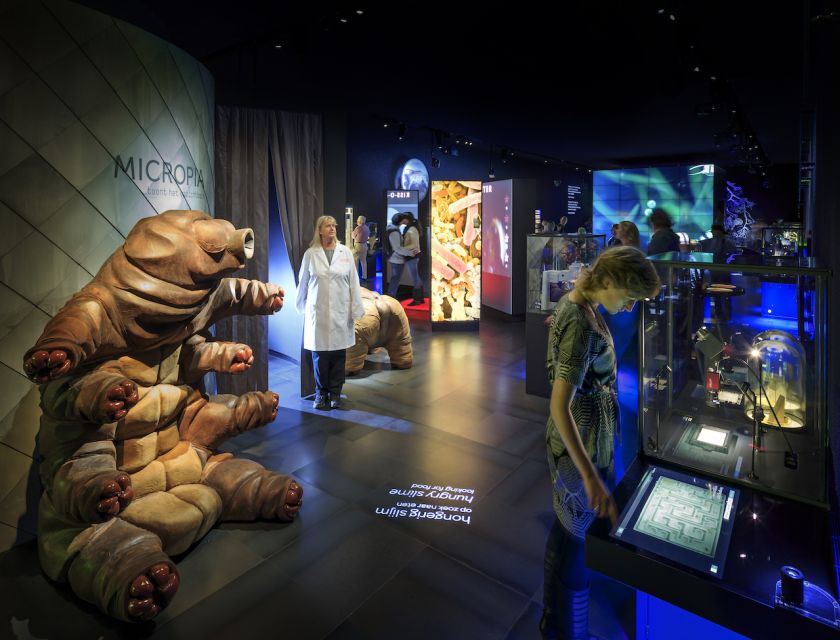
During spring break, Micropia adds a special activity called the Micro Mission. It runs every day during spring break from 10:00 to 17:00, and it can be collected for free at the ticket desk.
This matters for your planning because it gives you a structured, kid-friendly way to engage without you having to invent games. The Micro Mission is designed for young explorers, and it focuses on how plants, animals, and microbes work together in nature.
A key concept mentioned for the Micro Mission is gut health and digestion, including the fact that microbes in your gut help digest food. That is a strong theme because it links the museum’s big ideas to something people recognize in daily life.
If you are visiting outside spring break, you may still have plenty to do, but Micro Mission is one of those extras that can make your day feel even more tailored for families.
More museum halls off the squares:
- Amsterdam: Van Gogh Museum Ticket and City Canal Cruise
★ 4.6 · 3,899 reviews - Amsterdam: Van Gogh Museum Ticket & Canal Cruise
★ 4.5 · 3,304 reviews - Amsterdam: NEMO Science Museum Ticket
★ 4.4 · 2,979 reviews - Van Gogh Museum Amsterdam Exclusive Tour w/ Reserved Entry
★ 5.0 · 1,760 reviews
How long to plan, and a good way to structure your day
The experience fits a 1-day visit, and many people find they want around 1.5 to 2 hours to take it in at a comfortable pace. If you are more focused on interaction and reading than on rushing, give yourself closer to the upper end.
Here is a practical way to structure it:
- Start with the self-scan so your brain switches into micro mode early.
- Use the stamp system to keep a steady flow through the exhibits.
- Pause for the Laboratorium area and catch a lab talk when it fits your schedule.
- Leave time for microscopes and interactive stations, especially any parts that involve visual effects or animations.
If you are visiting with kids, this rhythm helps avoid the classic problem where adults want to read and kids want to move. The stamp trail and scan give both sides momentum.
If you are visiting solo or as a couple, the same structure works because it turns the visit into a sequence with a payoff. You get to feel like you completed something, not just wandered through displays.
Nearby add-ons in the ARTIS complex: how to build a full day
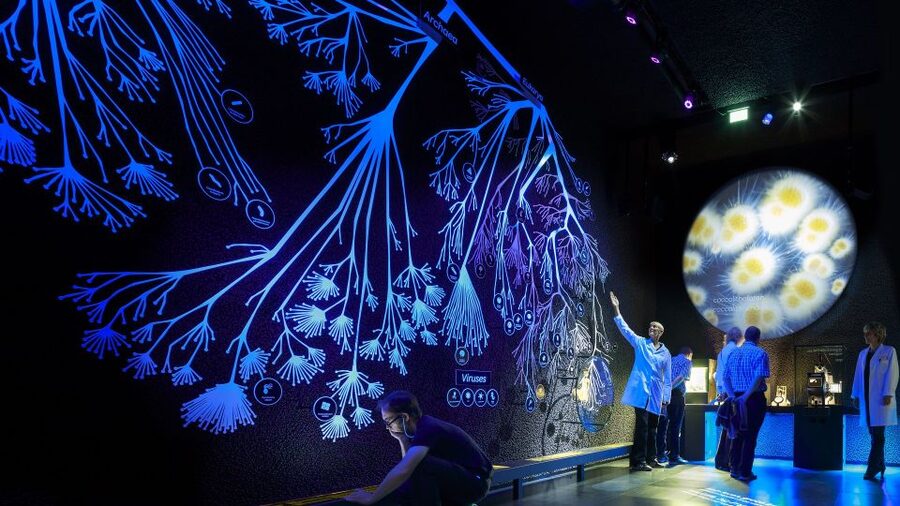
Micropia sits in the ARTIS environment, which makes it easy to pair with more attractions without losing time to transit. Your entry ticket here includes admission to ARTIS-Micropia only.
Two common add-ons you can consider, but they are not included with your Micropia entry:
- ARTIS-Groote Museum, which explores how everything connects: human, animal, plant, and microbe
- ARTIS Zoo, where you can experience nature up close
If you like science themes, the Groote Museum is the natural companion because it expands the connections beyond microbes alone. If you want a contrast day, the zoo gives you big visible wildlife after hours of tiny life.
A smart strategy: if you are timing carefully, schedule Micropia first while you still have energy for interactive exhibits. Then do the slower, sit-down parts of the day elsewhere in the ARTIS area.
Price and value in Amsterdam: is $21 a fair trade?
At about $21 per person, you are paying for a very specific type of museum experience: interactive, science-forward, and focused on a single subject. That price makes sense when you actually engage with the hands-on elements like scanning and stamp collection.
But the value depends on your expectations. If you want a huge museum with lots of galleries and long strolling time, you might feel it is expensive for the amount of space. One practical clue is the recommended age: Micropia is recommended for age 8 and older, and that often lines up with how interactive science tends to land.
For families, the free entry for children up to 12 years old is a big value lever. A household with kids can stretch the budget further because at least part of the ticket cost is effectively reduced for the younger visitors.
My bottom line on value: if you enjoy educational interactions, hands-on tech, and visual science, you are likely to feel the money was well spent. If you prefer traditional museums where you mainly read placards, you may want to weigh the ticket against other ARTIS options.
Practical tips that can make or break your day
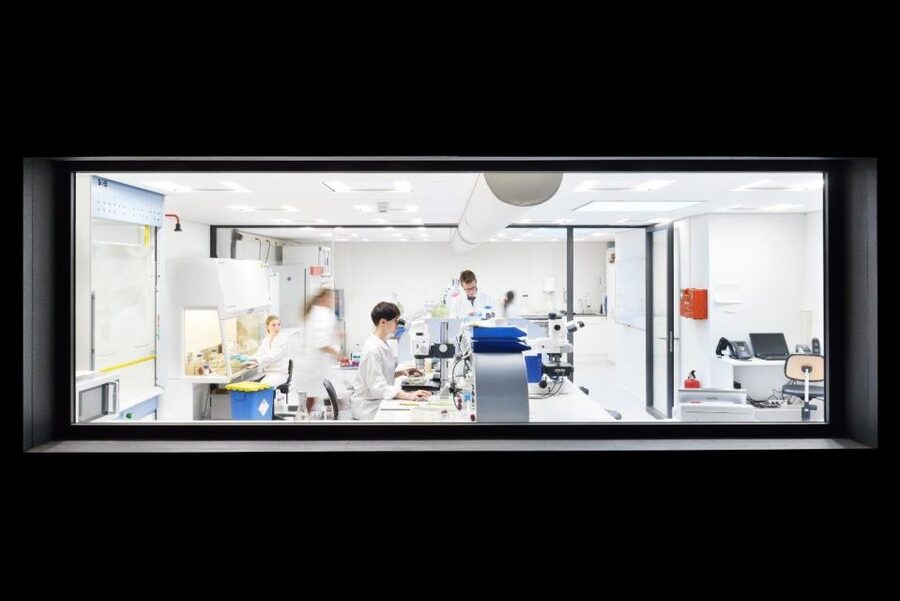
Micropia is friendly and straightforward to visit, but a few details can improve your experience.
First, plan for comfort. Since this is a museum about your body and microbes, you might notice you want to spend more time standing at certain stations. Wearing shoes you can stand in helps.
Second, use the gear that is available. There are free lockers mentioned as available for leaving bags and coats, which can make moving through interactive stations much easier. If you have a heavy day pack, it is worth using them.
Third, bathrooms matter. One visitor mentioned the toilets were dirty. That is not a universal guarantee, but it is a fair heads-up to keep expectations realistic, especially if you are sensitive about cleanliness.
Finally, bring curiosity. This museum works best when you expect surprises and accept that science can be a little weird in the best way.
Who should book ARTIS-Micropia, and who might skip it
Micropia is a strong match if you are traveling with kids who like interactive exhibits, or if you are an adult who enjoys science and questions. The museum pulls in both groups well because it uses tech, visuals, and stories from lab staff rather than only reading material.
It is also ideal if you want a break from classic Amsterdam sightseeing. You get something different from canals and museums, and you do it in a location that still fits into the city’s walkable rhythm.
You might consider skipping if you dislike biology-themed topics or if you are trying to maximize time at attractions that feel broader in scope. Since this experience is so focused on microbes, it can feel too narrow if you are expecting a general-purpose museum.
Should you book ARTIS-Micropia?
Yes, if your trip includes at least one interactive museum and you like the idea of seeing microscopic life in a structured, fun way. The self-scan, stamp collection, and daily lab talks give you multiple ways to participate, not just observe.
Book it if you are traveling with kids, especially because children up to 12 can enter for free. That alone often makes it easier to justify the ticket price for families.
Skip or reconsider if the $21 price feels hard to swallow and you tend to rush through exhibits. In that case, you could instead prioritize other ARTIS options that may offer more open-ended time. But if you are coming for hands-on science, Micropia is a memorable use of your Amsterdam day.
FAQ
What is ARTIS-Micropia, and where is it located?
ARTIS-Micropia is a microbe museum in Amsterdam. The meeting point is Plantage Kerklaan 38-40.
How long should I plan to spend there?
You should plan for about a 1-day visit, and most people find they need around 1.5 to 2 hours to see what the museum has to offer at a comfortable pace.
What is included in the entry ticket?
Your ticket includes admission to ARTIS-Micropia.
What is the recommended age for Micropia?
The recommended age is 8 years or older.
Are children able to enter for free?
Yes. Children age 0 to 12 can enter for free.
Does Micropia offer anything special during spring break?
Yes. There is a Micro Mission during spring break, available every day between 10:00 and 17:00, and it can be collected for free at the ticket desk.
What else can I visit nearby at the ARTIS complex?
With a combination ticket you can also visit ARTIS-Groote Museum, and you can step outside into ARTIS Zoo. Those are not included with the Micropia entry ticket.
Latest to arrive along the quays of Amsterdam




Museum Tours in Amsterdam, compared.

Amsterdam’s Weirdest Museum: Ripley’s Believe It or Not!
Read our review →


Van Gogh Museum Amsterdam Exclusive Tour w/ Reserved Entry
Read our review →
Moco Museum Amsterdam Admission Ticket with Banksy and more
Read our review →Browse the lists this tour appears in