
Reviewed · HISTORICAL TOURS
Amsterdam: 2-hour History & Culture tour with a Local
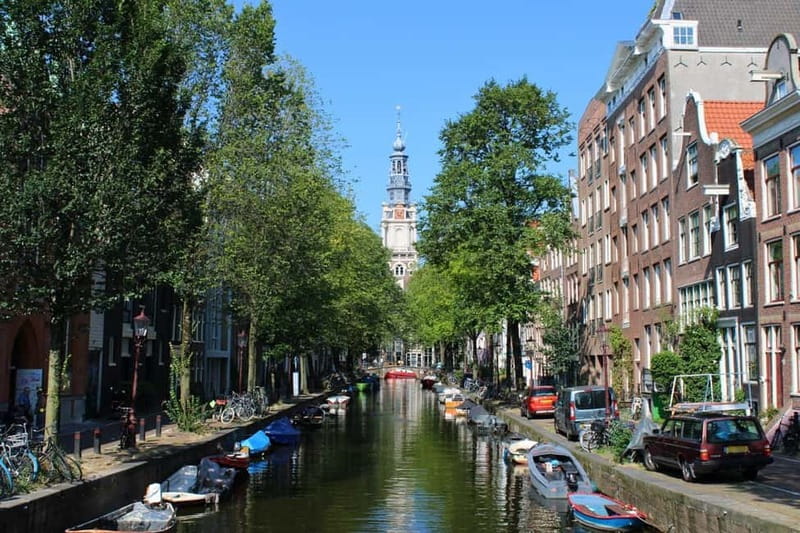
Amsterdam can feel like a puzzle at first. This 2-hour local walk helps it click, fast, with stories that connect the canals, the city squares, and today’s controversies. You’ll hear how a medieval settlement grew into one of the most liberal places on earth, and why the city’s tolerance still shows up in street-level life.
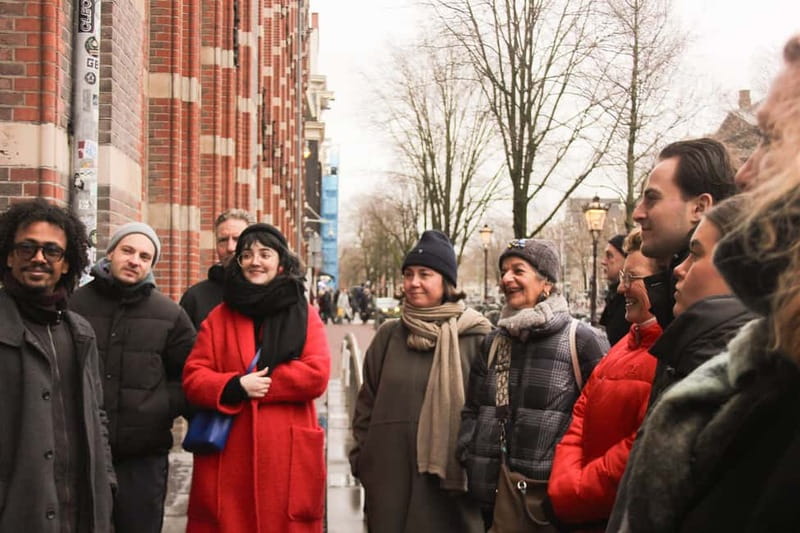
What I like most is the small-group feel and the way the guide keeps the pace relaxed. In the best guide experiences, I see the same pattern: Manouk, for example, comes across friendly, keeps everyone involved with questions, and mixes history with practical tips for what to do next. A second win is the food and finish, you get a stroopwafel mid-tour and a souvenir at the end.
One thing to consider: the route includes the Red Light area, so if you want a strictly family-friendly vibe, this likely isn’t your match. Also, you’ll see sights tied to the Royal Palace, but you won’t go inside.
In This Review
- Key highlights worth your attention
- Why a 2-hour local history walk beats a bus tour
- Beursplein to Dam Square: your quick orientation to the city’s spine
- Begijnhof and the canal belt: seeing what UNESCO can’t explain
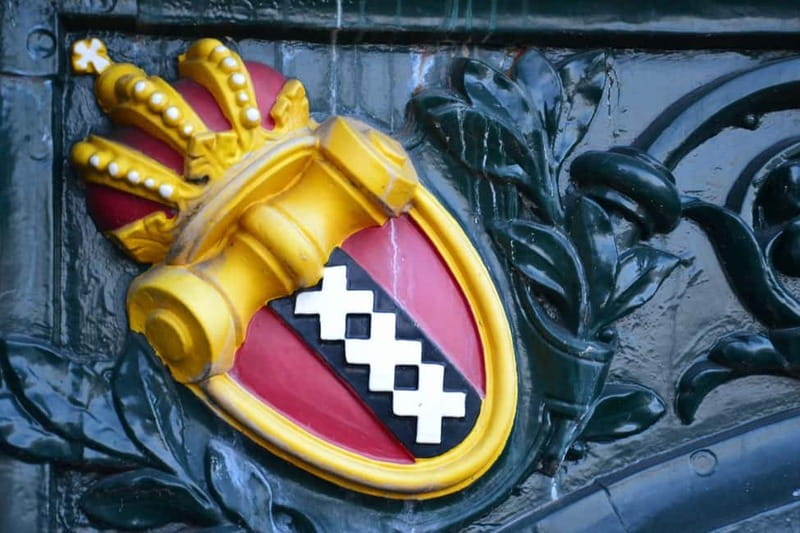
- WWII, Amsterdam’s tolerance, and the real meaning of the 3 XXX’s
- Bikes, disappearing bikes, and why this matters for how you travel
- Royal Palace views without the time sink
- Nieuwmarkt and Amsterdam Centraal: the end of the loop feels satisfying
- Price and logistics: what $29 really buys you
- The guide makes it: Manouk-style storytelling and group energy
- Who should book this Amsterdam history and culture walk?
- Should you book it?
- FAQ
- Where does the Amsterdam tour start?
- How long is the tour?
- What food is included?
- Is the Royal Palace included in the tour?
- Is the tour suitable for children?
- Is the tour wheelchair accessible?
- Are alcohol and drugs allowed on the tour?
- Can I book a private group?
Key highlights worth your attention
- A tight 2-hour route that gives you a mental map of central Amsterdam
- UNESCO canal belt stories connected to how the city actually functions
- Dam Square, Begijnhof, and major squares covered on foot without rushing
- The Red Light area included in the context of modern Amsterdam
- Bikes and the disappearing-bike mystery as part of everyday city culture
- Mid-tour stroopwafel plus a small souvenir to end on a sweet note
Why a 2-hour local history walk beats a bus tour
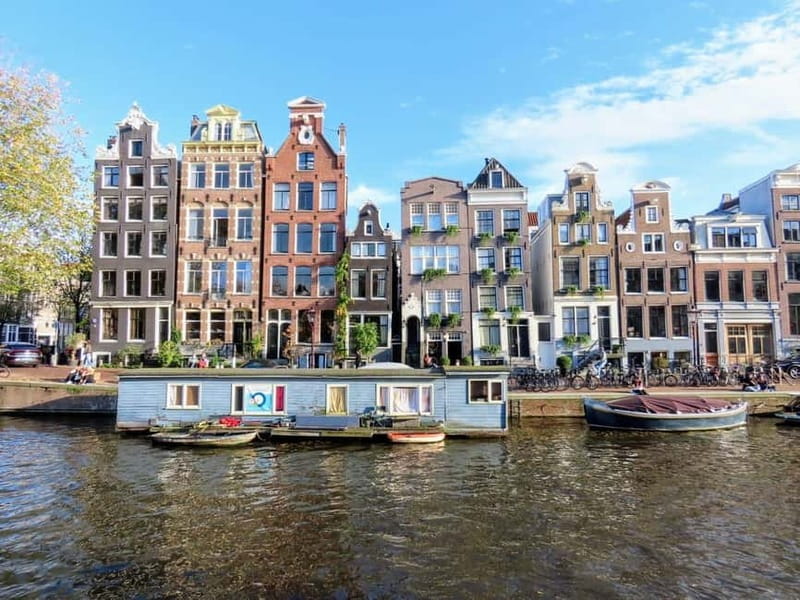
Amsterdam is so photogenic that it can trick you into thinking you already understand it. This kind of walking tour helps you read the city like a local, not just a camera. In two hours, you cover enough ground to stitch together the big themes: canals, planning, religion and community spaces, WWII scars, and the city’s modern reputation.
The other advantage is the guide’s role as an interpreter. A great local guide does more than recite facts. They explain why things look the way they do, why certain neighborhoods feel the way they feel, and how modern Amsterdam makes room for practical daily life and moral debate at the same time. That combination is what turns a highlight list into something useful for your next day in town.
You also get an energy level that works. With a 2-hour duration, you’re not stuck in a long crawl, and the pace is meant to keep conversation going. It’s the right format for a first visit, especially if you want to avoid walking around later with no sense of what matters and where.
Finally, the tour uses a very smart trick: it doesn’t only point at famous sites, it connects them to everyday systems. Canals link to trade and building logic. Squares link to civic identity. Bikes link to how the city moves. Even the “disappearing” bike topic is a way to talk about what happens in a dense city where everyone bikes.
More Golden Age corners on foot:


Beursplein to Dam Square: your quick orientation to the city’s spine
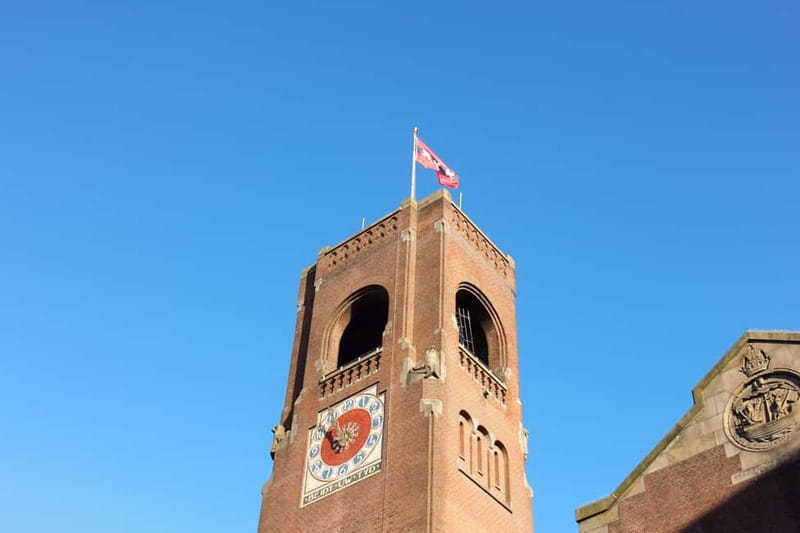
The tour starts at Beursplein, with the guide waiting by the big black lantern outside Bistro Berlage, holding a sign that says Guidance. This is a good start point because it’s central enough to make the route feel like a loop, not a one-way slog.
From there, you hit Dam Square, one of Amsterdam’s best “you are here” anchors. It’s where civic history meets today’s crowds. You’ll learn the stories behind the square’s role and how it helped shape the city’s identity as it changed from old-world settlement to modern capital.
A short hop brings you to Spui Square, which is a different kind of Amsterdam experience. Spui has a more lived-in feel than the postcard landmarks around it. This stop is useful because it shows how daily city life and big historical narratives overlap in small spaces.
Practical benefit for you: after these early stops, you start recognizing street geometry, canal entrances, and sight lines. You’ll know how to position yourself for photos later, and you’ll also understand why some areas feel open while others feel tight and enclosed.
Begijnhof and the canal belt: seeing what UNESCO can’t explain
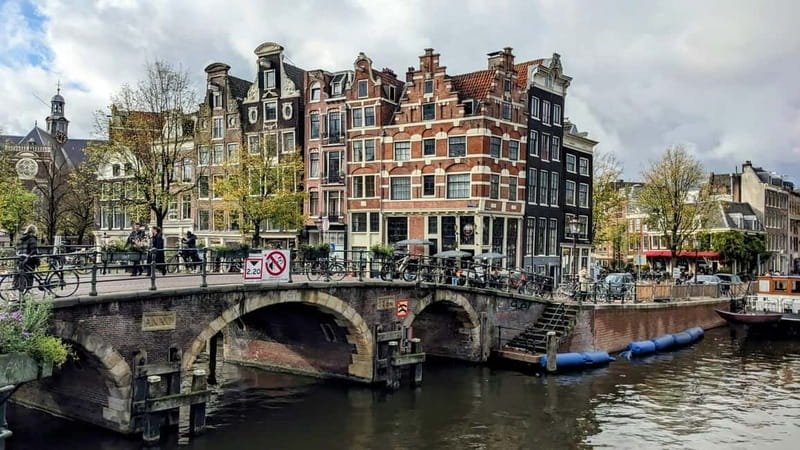
If you want proof that Amsterdam isn’t only about canals and commerce, Begijnhof is where you see it. Begijnhof is a quieter, more inward-looking pocket of the city, and that contrast matters. It gives you a sense of community life and religious history in a way that feels personal rather than ceremonial.
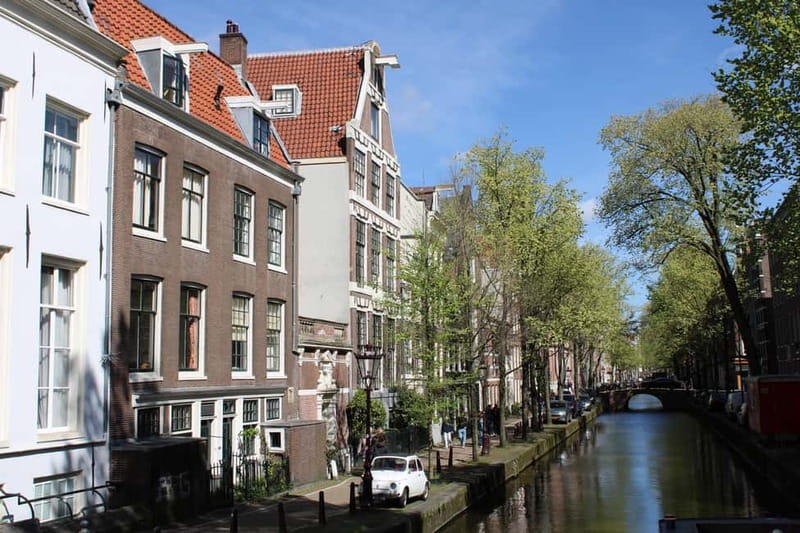
From there, the tour moves into the Huis Aan De Drie Grachten area. Even if you’ve never heard the name before, you’ll likely feel the “this is old Amsterdam” vibe immediately. The canals and historic houses here aren’t just scenery. They are evidence of how people built, lived, and adapted to a city that had to work with water, limited land, and growing demand.
And then the story widens to the UNESCO-listed canal belt. The value isn’t that the canal belt is famous. It’s how the guide explains that these waterways shaped modern planning too. You’ll understand that the canal belt isn’t frozen in time. It’s part of a system the city still relies on.
One reason I’d prioritize this section: you get to learn without museum fatigue. You’re walking, looking, and asking questions at a normal human pace. That means history lands where it should, in the places you’re actually standing.
WWII, Amsterdam’s tolerance, and the real meaning of the 3 XXX’s
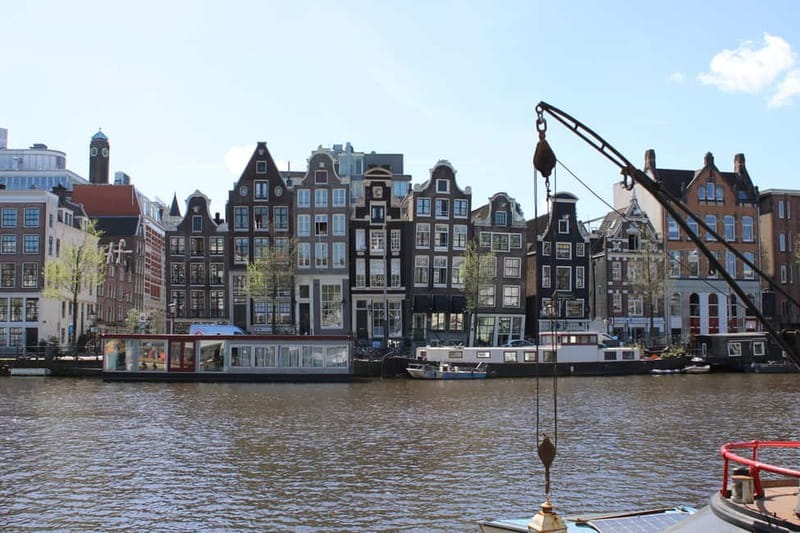
Amsterdam’s modern reputation isn’t an abstract idea. It has roots, and WWII is part of that story. As you move, you’ll hear about the impact of WWII and how it shaped the city’s evolution into a place that wrestles with modern needs in real time.
This is also where the tour’s theme of openness shows up. The guide frames Amsterdam as a city with deep historical roots for tolerance, not just a slogan. You’ll learn about the 3 XXX’s, and specifically how the city became a hub for coffeeshops and prostitution. The point isn’t sensationalism. It’s context, how a city’s systems form around demand, policy, and social attitudes.
You’ll also get a chance to connect the adult-themed parts of the city to the everyday ones. That matters because Amsterdam is not only “one thing.” It’s schools, boats, workplaces, museums, churches, and late-night neighborhoods that all exist in the same dense geography.
The tour also touches on the Red Light area as a highlight. If you’ve ever wondered why certain streets feel charged while others feel calm, this is the kind of explanation that helps you stop guessing. It’s also why the tour has an age guideline of not suitable for children under 12.
Bikes, disappearing bikes, and why this matters for how you travel
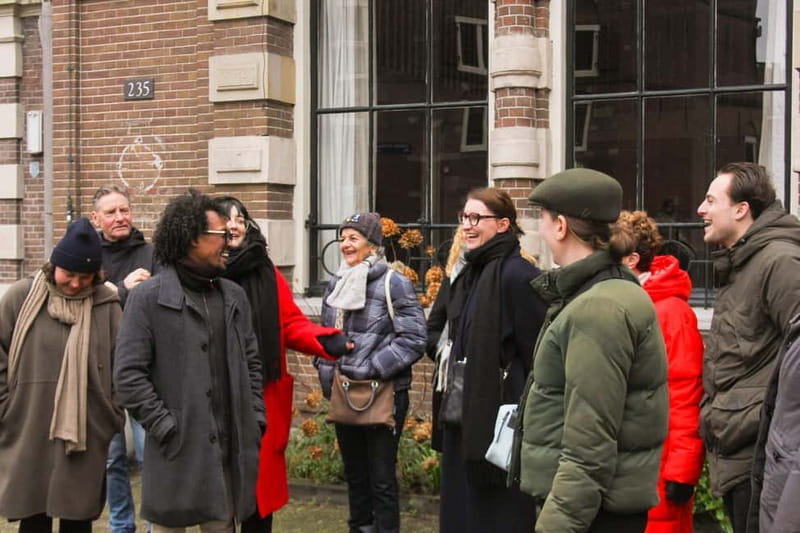
Amsterdam’s bike culture is so visible it can feel like background noise. On this tour, bikes become a way to talk about the city’s daily rhythms. You’ll learn why there are so many bikes, and what happens to bikes when they disappear.
Even without getting technical, that topic gives you an important travel takeaway. You’ll start noticing the bike infrastructure and how it affects pedestrian movement. You’ll also understand why it’s worth watching for bike traffic at crossings and why the city treats bikes as an everyday necessity rather than an optional hobby.
This section also helps you plan your own day. Once you know why bikes matter here, you can decide if you’ll rent one, how you’ll navigate streets, and where you’ll walk versus where you’ll need extra caution. It’s practical culture learning, not just trivia.
The “disappearing” bike question is also a reminder that Amsterdam is constantly balancing public order and personal convenience. That theme runs through the tour, from WWII stories to modern policy discussions.
Also flying a pennant in Amsterdam
- Amsterdam: Van Gogh Museum Ticket
★ 4.7 · 52,054 reviews - Amsterdam: Heineken Experience Ticket including 2 Drinks
★ 4.6 · 36,014 reviews - Amsterdam Classic Saloon Boat Cruise with Drinks and Cheese
★ 5.0 · 31,825 reviews - Amsterdam Luxury Canal Cruise + Unlimited Drinks & Bites option
★ 5.0 · 30,518 reviews
Royal Palace views without the time sink
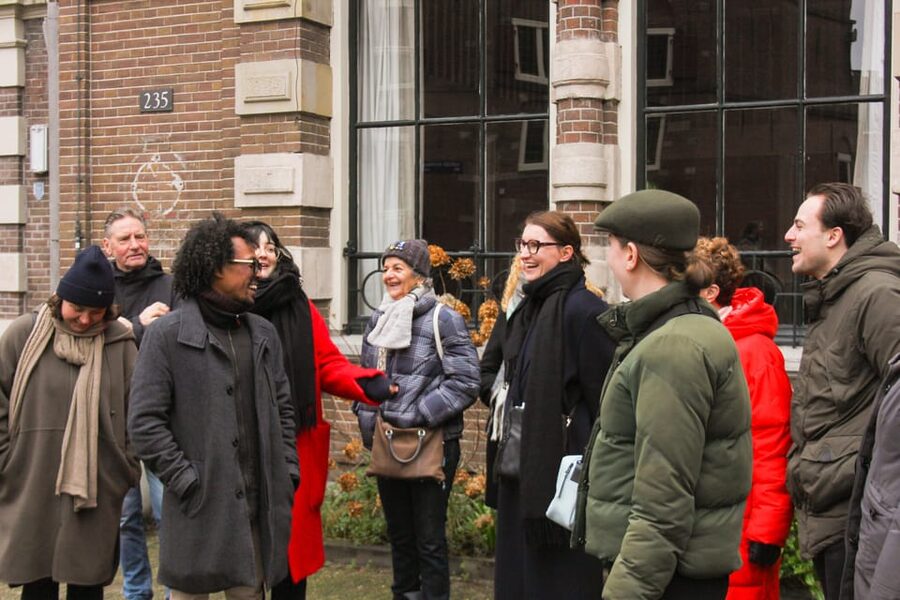
The tour includes Dam Square and the Royal Palace area, but you won’t go inside. That may sound like a downside if you’re chasing ticketed sights, but it’s actually a good trade for a 2-hour format.
Why? Because palace interiors often require timed entry or longer lines. Here, you get the exterior context and the history that helps the building make sense in the city’s story. You can then decide later whether the palace interior is worth your time.
So if you’re the kind of person who likes learning the “why” first, this approach works well. You’ll understand the setting, and then you can choose whether you want more.
Also, the guide helps you spot photo spots along the way, which is a quiet win on any walking tour. Amsterdam’s best angles are often less obvious than you think, and a local eye saves you from wandering looking for that perfect shot.
Nieuwmarkt and Amsterdam Centraal: the end of the loop feels satisfying
As the tour moves toward Nieuwmarkt Square, you’ll feel a shift from the grand civic spaces into a more layered, older-feeling Amsterdam. This stop is useful because it keeps the tour grounded in the everyday geography of the city center, not only the most famous showpieces.
Then you reach Amsterdam Centraal Station, which is a classic “you’ve arrived” moment. The station works as a closing stop because it connects Amsterdam’s past and present movement patterns. It’s where locals and visitors feel the city’s pace converge.
At some point during the walk, you’ll get to try a stroopwafel. This is more than a snack. It’s a Dutch comfort food that fits the tour rhythm, so you get energy without leaving the route.
The tour also ends back at Beursplein, where you receive a small souvenir. That makes the finish feel complete, especially if your first day in Amsterdam is still in planning mode.
Price and logistics: what $29 really buys you
At $29 per person for 2 hours, the value comes from what’s included. You’re paying for a local guide, a Dutch snack, and a small souvenir, and you’re getting a structured walk that covers multiple major areas without the overhead of tickets for the Royal Palace.
It’s a smart purchase if you want:
- a guided explanation of why Amsterdam looks like it does
- a fast orientation to key squares and canal areas
- practical tips that help you plan your next museum, coffee stop, or neighborhood walk
It’s less of a steal if you already know Amsterdam deeply and you only want ticketed attractions. In that case, you might feel held back by the fact that the Royal Palace is not visited.
You should also know the rules are simple. Alcohol and drugs are not allowed. And it’s not suitable for children under 12.
On the logistics side, this tour is wheelchair accessible, and you can choose a private group option. Tour language includes English and Dutch.
The guide makes it: Manouk-style storytelling and group energy
Some tours feel like a lecture with walking shoes. This one has the opposite goal, to keep it conversational. The best guide experiences show up in how people interact, and the reviews describe Manouk as doing exactly that.
In those accounts, she’s described as friendly, engaging, and very good at pacing. She doesn’t rush, and she encourages questions, which is how you turn a “see these places” tour into a “understand Amsterdam” tour. People also note she gives helpful recommendations for coffee spots and other activities, so the tour doesn’t end when you return to Beursplein.
That recommendation angle is especially valuable on day one. Amsterdam has too many options, and a local voice can steer you away from aimless wandering.
One more subtle plus: the tour includes adult-topic context without turning the entire experience into a shock show. You can still keep the vibe respectful while learning how Amsterdam’s tolerance works on the ground.
Who should book this Amsterdam history and culture walk?
Book it if you’re:
- visiting Amsterdam for the first time and want a fast map plus context
- the type who likes walking through real neighborhoods rather than only standing in front of monuments
- curious about the city’s mix of old-world spaces and modern debates
- interested in canals, Begijnhof, and how bikes shape daily movement
- looking for a small-group tour with a local guide rather than a big group scramble
Skip it if you:
- want strictly kid-friendly content (the route includes the Red Light area and the tour is not suitable under 12)
- only care about palace interiors and ticketed museums
- dislike hearing about adult topics in a historical and policy context
Should you book it?
Yes, I think you should book this tour if you want your first Amsterdam day to feel guided, grounded, and useful. For the money, you get more than “sightseeing.” You get context for the city’s major squares, canal belt setting, and the modern stories that make Amsterdam what it is.
If your priority is ticketed attractions only, you might prefer a different option. But if you want to walk with a local, try stroopwafel, and leave with a clearer sense of where you are and why it matters, this is a strong choice.
FAQ
Where does the Amsterdam tour start?
The meeting point is Beursplein. Wait at the bottom of the stairs of Bistro Berlage. The guide will be by the large black lantern holding a sign that says Guidance.
How long is the tour?
The duration is 2 hours.
What food is included?
You get a Dutch snack, and the tour includes a chance to try a stroopwafel during the walk.
Is the Royal Palace included in the tour?
No. The tour does not include entrance tickets for the Royal Palace, and you will not visit the palace.
Is the tour suitable for children?
It is not suitable for children under 12.
Is the tour wheelchair accessible?
Yes, the tour is wheelchair accessible.
Are alcohol and drugs allowed on the tour?
No. Alcohol and drugs are not allowed.
Can I book a private group?
Yes, private group options are available.
Latest to arrive along the quays of Amsterdam





Historical Tours, compared.
Amsterdam Food and Cultural Tour with Tastings
Read our review →
Kinderdijk UNESCO World Heritage Entry Ticket
Read our review →

Amsterdam High-End Dutch Food & History Tour – Up to 8 guests
Read our review →
Cruise through the Historic City Center with Guide
Read our review →Browse the lists this tour appears in