
Reviewed · UTRECHT TOURS & EXPERIENCES
3 Hours itinerary between Amsterdam & Utrecht: The Heart Of Holland In A Sidecar
A sidecar ride turns the Amsterdam to Utrecht drive into a story. You get private, small-group access to classic Dutch spots like the Vecht river estates, Lage-Vuursche views, and the working mill at Molen Geesina. It is not just photos on a map, it is a smooth way to see how this part of Holland actually feels.
What I like most is the pace and access. You cover a lot of ground in just a few hours, and the guide work makes the countryside feel personal, not generic. The other big win is that it is built for comfort and fun: helmets, fuel included, and a guide who keeps questions coming.
One consideration: it runs as an outdoor ride and the itinerary assumes good weather, so if the skies are ugly you may switch to a minivan plan.
In This Review
- Key highlights worth marking on your day
- Why a sidecar tour is the smart way to see the Heart of Holland
- Price and what you really get for it
- Your half-day rhythm: how the route plays out
- Stop-by-stop: Vecht river estates and the curves that define the area
- Lage-Vuursche and Soestdijk: protected views and a palace tied to Queen Juliana
- Loosdrechtse Plassen, Bethunepolder, and the forest road tunnel vibe
- Nieuwe-Wetering, Molen Geesina, and Fort Ruigenhoek
- Slot Zuylen: a 13th century castle and the writer who lived there
- How to enjoy the sidecar ride without overthinking it
- Is it worth it for you? Best-fit traveler types
- Should you book this Heart of Holland in a Sidecar tour?
- FAQ
- How long is the Heart of Holland in a Sidecar experience?
- What does the sidecar tour cost, and who is it for?
- What is included in the price?
- Are pickup and drop-off included?
- What happens if it rains?
- Are admission tickets included at each stop?
Key highlights worth marking on your day
- Amsterdam-Utrecht country corridor with quick scenic stops that actually fit a half day.
- Private tour for up to 2 people, in a sidecar setup (one seated in the sidecar, one on the back).
- Small history moments at real places like Slot Zuylen and Fort Ruigenhoek, without making it a museum marathon.
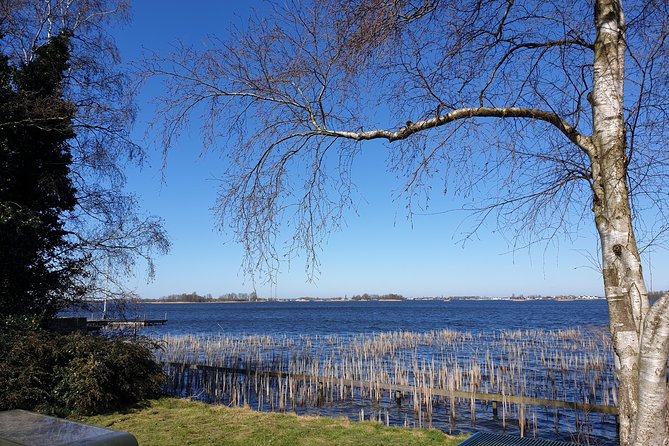
- Nature and water variety from the Vecht river curves to Loosdrechtse Plassen and the Bethune polder.
- Working mill visit at Molen Geesina, still producing flour after restoration.
- Flexible planning with a preset route, plus the option to create your own itinerary.
Why a sidecar tour is the smart way to see the Heart of Holland
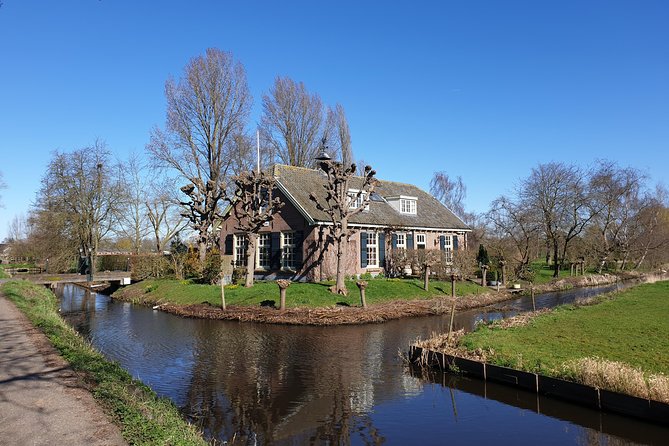
If you have only a short time in the Netherlands, the biggest risk is spending it stuck to slow routes and long transfer times. This is built around the idea that the countryside between Amsterdam and Utrecht is best experienced while you are moving. A sidecar lets you get that in-between view: not city streets, not highway blur, but the real rural rhythms.
I like how the ride format changes what you notice. From the sidecar you can pick up details you would miss on a standard bus stop: how far the estates sit back from the water, how quickly a forest road turns into a tunnel, and where farm land shifts into nature space. It feels like you are being shown Holland by someone who knows the small turns.
The private setup matters too. With only your group, you can ask questions as you go, and the guide can pace the stops based on what you care about. In one example, the guide Marco is known for answering questions about Dutch culture and daily life, and keeping the chat going without turning it into a lecture.
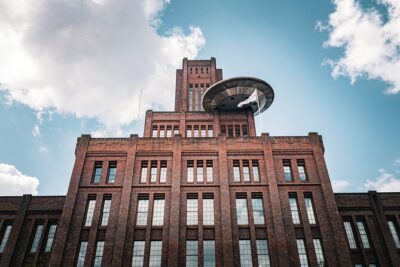
Also flying a pennant in Utrecht


Price and what you really get for it
The price is listed per group at about $300.06, up to 2 people, and the duration is roughly 2 to 4 hours depending on conditions and how the stop time lands.
On paper, that sounds like a splurge. In practice, you should look at what is included: sidecar seats, helmets, fuel, and a multilingual Dutch driver or tour guide. You also get a private experience, so you are not paying for the friction of large-group logistics.
Also, most stops are quick outside stops, and many do not require paid admission. That means you are not trying to buy entry tickets every few minutes to justify the money. The “not included” admissions are mainly for the moments where you might want interior access, like Paleis Soestdijk and Slot Zuylen. If your plan is just to see exteriors and soak in views, you can keep costs under control.
One extra thing to consider: pickup is offered from central points, and you can arrange a pickup location you choose for an extra 20 euros. If you are staying slightly outside the most convenient center locations, that add-on can be worth it because it protects your ride time.
Your half-day rhythm: how the route plays out
Think of the trip as a sequence of short stops, each designed to give you a different Dutch “chapter.” You start with the Vecht river and its famous 17th and 18th century country estates. Then you move into protected village views and ex-royal palace territory. After that, you rotate through water and nature areas like Loosdrechtse Plassen and the Bethune polder, plus forest roads that create that tunnel effect.
Later, you shift to working countryside and defense-era history: a flour mill and a fortress connected to the New Dutch Water Line. The day closes with a 13th century castle stop at Slot Zuylen.
The exact order stays consistent, but you can follow the preset route or create your own itinerary. That is useful if you have a specific interest, like mills, or if you want more time on the water side of the route.
Stop-by-stop: Vecht river estates and the curves that define the area
Stop 1, Vecht, about 10 minutes
The Vecht is a curvy river, and that curvy feel is the reason this region became a playground for wealthy Amsterdam merchants and administrators. In the 17th and 18th centuries, many country estates were built along these banks, so even when you are just looking from the road, you are seeing the pattern of power and leisure.
Admission here is free, and that helps. You get a view-based stop rather than a paid-entry push. If you like architecture, take a moment to look at how the estates meet the water and how the river bend shapes the property line.
Stop 2, Breukelen, about 5 minutes
Breukelen gives you a strong “place name” hit because it is tied to a castle dating to around 1275. The castle is associated with the International Business University today. Admission is not included, so if you want to go inside, you may need to plan for a ticket on your own.
The useful part of this stop is that it sets up the theme of the day: waterways and big estates, then smaller communities with old structures still in use.
There is also a quick garden stop in the mix. Since it is brief, treat it like a reset. Fresh air, a few photos, and back on the bike.
Lage-Vuursche and Soestdijk: protected views and a palace tied to Queen Juliana
Stop 3, Lage-Vuursche, about 5 minutes
Lage Vuursche is known for protected village views, with multiple 18th and 19th century houses. It also has dozens of national monuments, which is a polite way of saying this is not random development. The reformed church dates from 1650, and that age shows in the feel of the village.
Admission is free here, so you can take in the view without thinking about tickets. For many people, this is the emotional center of the route because the village looks like it was designed for slow strolling.
Stop 4, Paleis Soestdijk, about 5 minutes
Soestdijk is an ex-royal palace site with an original 17th century building. From 1937, it became the residence of Queen Juliana of the Netherlands and her husband, Prince Bernhard van Lippe-Biesterfeld. Admission is not included, so you will likely be focusing on the exterior unless you decide to add an entry.
If you like Dutch royal stories, this stop gives you a clear timeline in one glance, and it connects the countryside to national life, not just private land.
Under the next bridge out of Utrecht:
- Utrecht: De Haar Castle Gardens and Park Only Entry Ticket
★ 4.5 · 223 reviews - Utrecht 2-Hour Walking Tour | Discover The City With A Local
★ 5.0 · 138 reviews - Utrecht: Rietveld Schröderhuis UNESCO Entry Ticket
★ 4.8 · 119 reviews - Utrecht Food Tour with local guide
★ 5.0 · 112 reviews
Loosdrechtse Plassen, Bethunepolder, and the forest road tunnel vibe
Stop 5, Loosdrechtse Plassen, about 5 minutes
These lakes sit between Amsterdam and Utrecht and are used for water sports and nature activities. Admission is free, so you get a low-cost view stop with big payoff. Even if you are not renting a boat, this is where the region stops feeling like estates and starts feeling like a living environment.
Stop 6, Bethunepolder, about 5 minutes
The Bethune polder focuses on recreation and nature conservation, and it is home to special animal and plant species. Admission is free. Polders can look flat from afar, but they are actually a carefully managed form of Dutch engineering. This stop helps you see nature as something actively protected, not just left alone.
Stop 7, Goois Natuurreservaat, about 5 minutes
Goois Natuurreservaat is a forest area near Lage Vuursche. The highlight is the forest tunnel roads, those little road segments that feel like you are driving into a green corridor. Admission is free, and that matters because it turns this into a scenic walk-and-look moment rather than a ticketed stop.
Practical tip: when you do these quick stops, step out on the safe side and take 30 seconds to look in both directions. One direction gives you the “tunnel road” effect, the other shows you how the forest edges meet rural paths.
Nieuwe-Wetering, Molen Geesina, and Fort Ruigenhoek
Stop 8, Nieuwe-Wetering, about 5 minutes
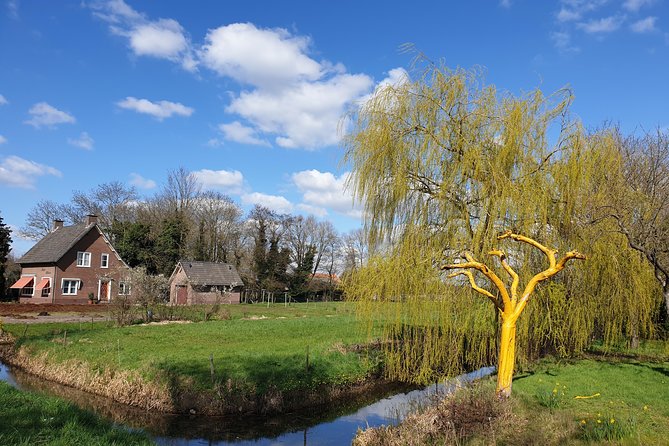
Nieuwe-Wetering is not really a village, more of a very rural stretch with farm houses. Admission is free, and that is exactly why it works in a short itinerary. It keeps the day from turning into only castles and palaces. You see the living countryside, even if it is just for a few minutes.
Stop 9, Molen Geesina, about 5 minutes
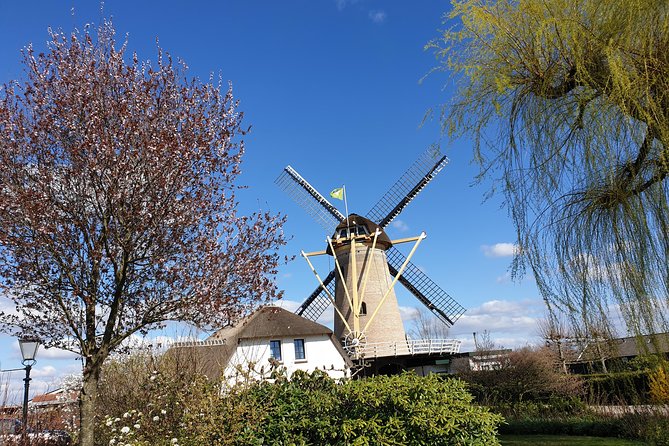
This is the working mill moment. Molen Geesina is a flour mill probably built around 1843. It has been restored and still produces flour. Admission is free, so you can focus on the fact that it is functional, not just decorative.
If you want to understand how Dutch water management and milling supported daily life, this is one of the most satisfying stops in the whole route.
Stop 10, Fort Ruigenhoek, about 5 minutes
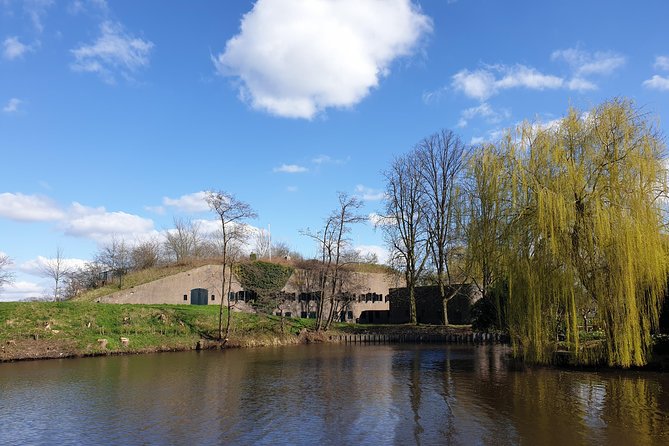
Fort Ruigenhoek belongs to the New Dutch Water Line Defense System, built around 1869 to 1870. Here is the hard-to-forget detail: in 1940 the Germans managed to fly over it. Admission is free.
This stop is short, but it gives you a bigger Dutch story. Instead of thinking of defense as only walls and guns, you see how water control and geography played a role in how the Netherlands defended itself.
Slot Zuylen: a 13th century castle and the writer who lived there
Stop 11, Slot Zuylen, about 5 minutes
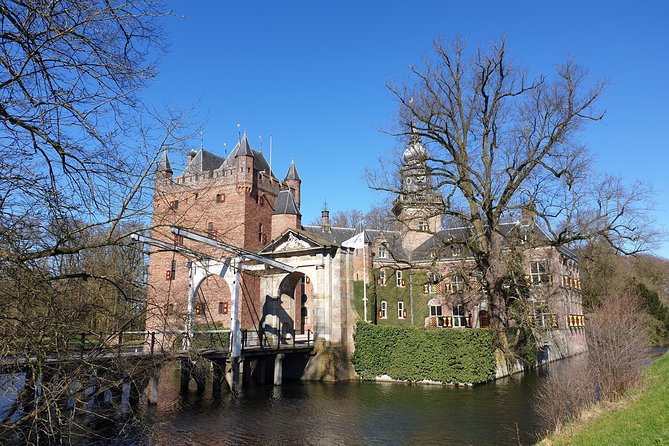
Slot Zuylen is a 13th century castle. It is linked to a Dutch writer and composer who lived here, known for being highly educated and fairly outspoken in her views. You may hear famous lines attributed to her, like I have no talent for subordination and I want to be a citizen of everyone’s country.
Admission is not included. That means you should treat this stop as a fast exterior and context moment unless you specifically plan to pay for an interior visit. Even as an outside stop, it is a fitting finale because the route ends where the countryside heritage meets art and ideas.
How to enjoy the sidecar ride without overthinking it
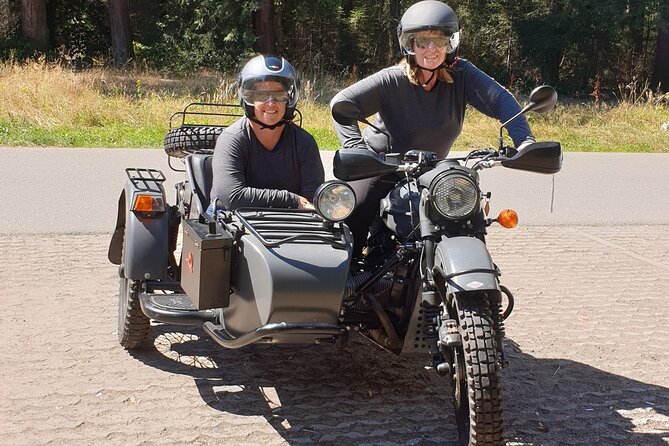
A sidecar tour is not just transportation. You are part of the experience. Helmets are included, so you do not need to bring your own. The setup is designed for two people: one rides in the sidecar itself, and the other rides on the back behind the driver.
If you are the back rider, keep your balance relaxed, and hold on in the way the guide shows you at the start. A short posture adjustment makes a big difference once you start moving through turns.
Because the tour is private, you can steer the conversation too. Marco style guidance tends to mix history and Dutch daily life answers, which is a great combo when you want the why behind what you see. Ask about the estates along the Vecht, why polder conservation matters, or how the waterline system worked in plain language.
Weather matters. The experience is described as requiring good weather, and if it gets canceled due to poor weather you should be offered another date or a full refund. In case of rain, the plan can switch to a minivan, and up to 2 more people can join for the same price. That makes it more flexible than the typical “rain means canceled” situation.
Is it worth it for you? Best-fit traveler types
This is best for you if you want a high-impact half day without planning a stack of separate museum entries. The ride format is also ideal if you like countryside details, river bends, old villages, and working places like the flour mill.
It is a strong choice for couples or small friend groups because the experience is designed around a maximum of 2 people in the sidecar arrangement. If you are traveling with a teen, note the age rule: at least one participant must be an adult responsible for a non-adult, and the non-adult must be at least 12 years old.
You might skip it if you hate wind, bumps, or being outdoors for short stretches in changing weather. Also, if you want long inside museum time, remember most stops are brief and exterior-focused, with some interior admissions optional and not included.
Should you book this Heart of Holland in a Sidecar tour?
I think you should book it if your goal is the Netherlands beyond the canals, with a guide who can turn small stops into meaning. You get a tight route between Amsterdam and Utrecht, a mix of water, polders, forests, mills, and a fortress, plus a finale at Slot Zuylen that ties it together nicely.
If you prefer large-group tours with lots of free time, this might feel structured. But if you want an easy plan that covers a lot and feels personal, the private sidecar setup is the whole point. For the price, you are paying for movement, guide time, helmets, and the fact that you are not crowding onto a bus to reach a few photo spots.
If you are deciding last minute, pick the weather window. Good skies will make the outdoors stops shine. If rain shows up, you still have a backup plan in the minivan.
FAQ
How long is the Heart of Holland in a Sidecar experience?
It runs about 2 to 4 hours, depending on the day and conditions.
What does the sidecar tour cost, and who is it for?
It is priced per group at about $300.06 for up to 2 people. It is a private tour, so only your group participates.
What is included in the price?
The tour includes the sidecar ride (one place in the sidecar and one place on the back of the bike), fuel, helmets, and a multilingual Dutch driver or tour guide.
Are pickup and drop-off included?
Pickup is offered from central pickup points. You can also request a pickup location of your choice for an extra 20 euros. The tour ends back at the meeting point.
What happens if it rains?
If it rains, the tour can switch to a minivan plan, and up to 2 more people can come for the same price.
Are admission tickets included at each stop?
Some stops are free, while others list admission as not included, such as Breukelen (castle), Paleis Soestdijk (palace), and Slot Zuylen (castle).
Latest to arrive along the quays of Utrecht

Utrecht Tours & Experiences, compared.
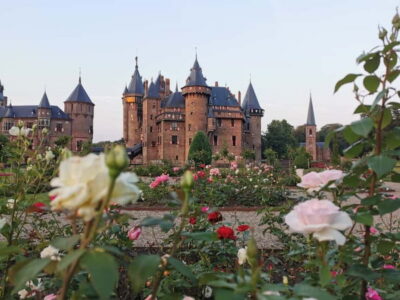
De Haar Castle Gardens and Park Only Entry Ticket
Read our review →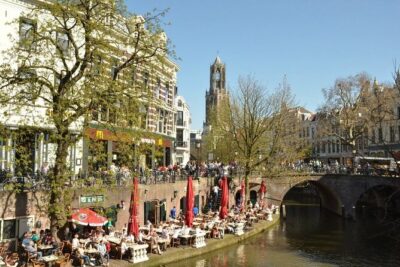
Utrecht 2-Hour Walking Tour | Discover The City With A Local
Read our review →
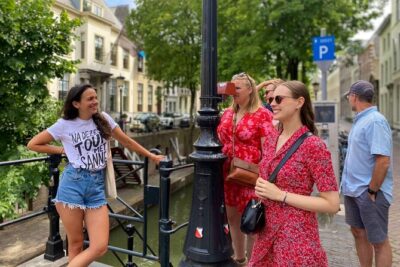
Discover Our Utrecht: Limited Group Size + Optional Extras
Read our review →Browse the lists this tour appears in