Reviewed · AMSTERDAM TOURS & EXPERIENCES
24 Jan: Organ Favourites at Westerkerk Amsterdam
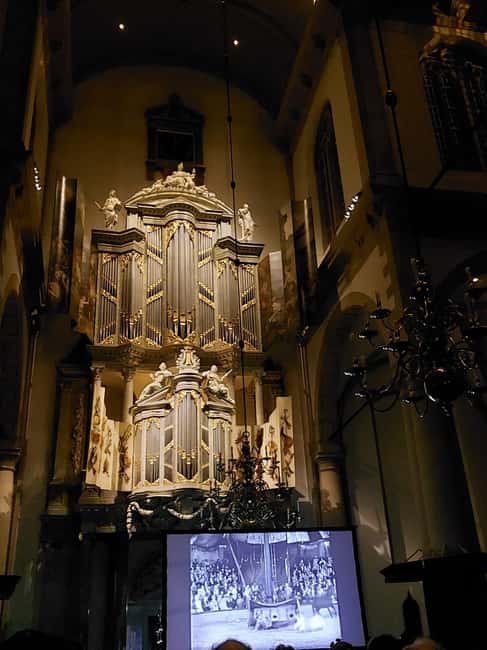
An hour of organ thunder in a dark church. I love the way the Westerkerk setting frames the monumental Duyschot organ, and I also like how you can follow along with Evan Bogerd on a big screen while you listen. The main drawback to plan for is January chill, since candlelight does not keep you warm.
You get the best kind of Amsterdam combo, art and sound in one place. I like that Rembrandt is buried here, and the experience also connects to Anne Frank hearing the church clock tower chimes while she was hiding next door.
The recital lasts about one hour and it concludes with Bach’s famous toccata in d minor. If you want background music, skip this, but if you like focused listening, this is exactly your kind of night.
In This Review
- Key highlights you should know
- Westerkerk’s candlelit atmosphere, and why it works for organ music
- The Duyschot organ, 1686 craftsmanship you can hear clearly
- Evan Bogerd’s program: Bach to Mussorgsky, and what that means for your ears
- Rembrandt’s burial site and the Anne Frank clock chimes connection
- What the one-hour experience feels like from seat to finale
- Winter comfort tips, especially with candlelight expectations
- Price and value: what $26 buys you in a historic sound machine
- Who this recital is best for, and who should rethink it
- Should you book this Westerkerk organ recital?
- FAQ
- How long is the Organ Favourites concert at Westerkerk?
- What is the price per person?
- Who performs the organ on January 24?
- What organ is played at this concert?
- What music will be included?
- Will there be a chance to see the organist?
- Is the concert wheelchair accessible?
- Is the experience candlelit?
Key highlights you should know
- Westerkerk grandeur in one of the Netherlands’ biggest Protestant church buildings
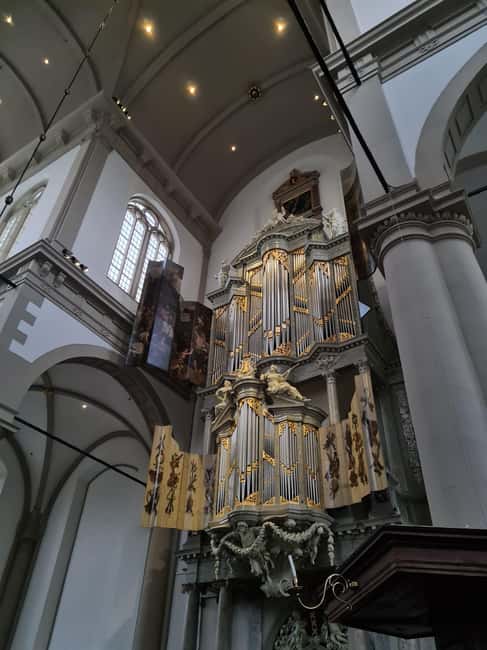
- Duyschot organ built in 1686, the kind of instrument you can feel in your chest
- Evan Bogerd performs, with the organist shown on a big screen
- A program that spans Bach, Buxtehude, Wagner, Franck, and Mussorgsky
- The Bach toccata in d minor finale, a bold finish for an organ recital
- Rembrandt and Anne Frank connections, including the clock tower chimes mentioned in her diary
Westerkerk’s candlelit atmosphere, and why it works for organ music
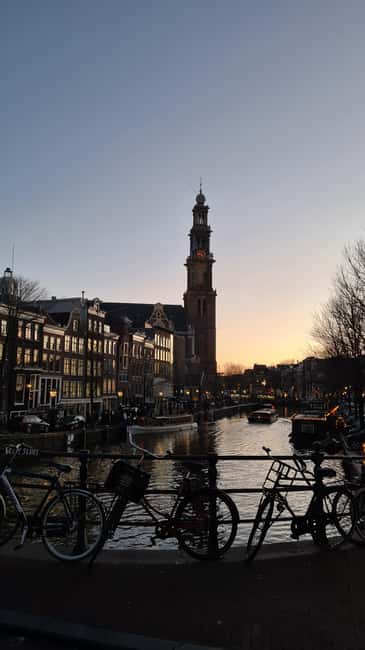
Westerkerk is not just a pretty building you walk past. It is a serious church space, and that matters for organ music, where the sound needs room to grow. On a cold evening, the candlelit approach gives the inside a soft focus, so the music feels like the main event.
One reason I enjoy this kind of venue is simple physics. Stone walls, a high ceiling, and the way sound bounces off interior surfaces can turn a single note into something larger than the instrument itself. In other words, you do not just hear the organ, you hear the building reacting to it.
Westerkerk also gives you an extra emotional layer because the church is tied to famous names you already know. Rembrandt was buried here, and the church is known for housing memorials linked to major Dutch artists. That turns the recital into more than a concert ticket, it becomes a short, guided walk through memory, using sound as the thread.
Also flying a pennant in Amsterdam



The Duyschot organ, 1686 craftsmanship you can hear clearly
The heart of the experience is the Duyschot organ, built in 1686. That is Dutch Golden Age instrument craftsmanship, and the big takeaway for you is tone. Older organs often have a distinct clarity, even when the music gets intense, and you can hear organ writing come through as structure, not just noise.
There is also a visual element that helps you understand what you are listening to. The organ shutters are painted by Gerard de Lairesse, who was an acquaintance of Rembrandt van Rijn. So while your ears are picking up the sound, your eyes are picking up the artwork tied to the same era and circle.
Another practical win: you can watch the organist on a big screen. Organ playing looks subtle from the floor sometimes, with hands and feet doing a lot at once. The screen helps you connect what you see with what you hear, especially when the piece switches style or intensity.
Evan Bogerd is the performer on this date, and his job in this kind of program is to make the instrument speak naturally across different composers. A strong organist can keep fast passages controlled and still make slow phrases feel alive, not just long.
Evan Bogerd’s program: Bach to Mussorgsky, and what that means for your ears
This recital is built around a mix of composer flavors. You can expect music associated with Bach, Buxtehude, Wagner, Franck, and Mussorgsky, all delivered on the Duyschot organ. That range is part of the fun, but it also changes what you might want from the experience.
Here is the honest way to think about it. Bach and Buxtehude often deliver logic and line, music that moves like architecture. Franck and Mussorgsky can feel more expansive and emotional, with phrases that bloom. Wagner brings a different dramatic color, even when the organ has to translate orchestral kinds of imagination into organ language.
The recital concludes with Bach’s toccata in d minor. If you like a dramatic, high-voltage organ finish, this finale is the part that tends to stick with people. It is the kind of ending that makes you sit back and realize your body was listening too, not just your mind.
There is one consideration. One person found the evening technically perfect but less captivating, especially because Bach can feel dense if you are not in the mood for that style. So if your taste runs toward lighter music, do not assume every Bach-focused organ program will feel thrilling in the same way.
Rembrandt’s burial site and the Anne Frank clock chimes connection
One of the best parts of Westerkerk is that it is not just a concert hall. It is a place where history is physically present. Rembrandt is buried here, and the experience includes a visit to Rembrandt’s memorial stone, which helps anchor the evening in real location, not just stories.
Then there is the Anne Frank connection. While hiding next door, Anne Frank mentioned hearing the church clock tower chimes, and she references it in her diary. In a room like Westerkerk, those sounds do not feel like background. They feel like time itself, marking moments while you stay seated and listen to music that also deals with time, structure, and repetition.
If you want to get more out of it, treat the chimes as a cue. When the church clock matters in Anne Frank’s diary, it also matters to you as a listener. You can start paying attention to pacing, pauses, and how sound carries through the space, even when the organ rests.
What the one-hour experience feels like from seat to finale
You are in for about an hour, and that time is intentionally focused. Expect the experience to center on listening, with background context woven in through the church’s connections. The organist performs, and you see him on a big screen, so you are not stuck trying to interpret what is happening in the console from a distance.
Because it ends with Bach’s toccata in d minor, you can think of the recital as building toward a finish line. The program includes multiple composers before the final piece, so the mood likely changes as the music moves from composer to composer. You should not expect the entire hour to feel identical. That shift is part of why a mixed program can stay engaging.
What I like about a shorter concert is your attention stays sharper. You do not get bored halfway through, and the venue does not have time to fade into “just scenery.” An hour also helps if you are juggling Amsterdam sightseeing the same day. You can fit this in without turning your evening into a long marathon.
Under the next bridge out of Amsterdam:
- Amsterdam Luxury Canal Cruise + Unlimited Drinks & Bites option
★ 5.0 · 30,518 reviews - Amsterdam: Rijksmuseum Entry Ticket
★ 4.7 · 29,512 reviews - Amsterdam: Classic Saloon Boat Cruise with Cheese & Wine
★ 4.6 · 27,035 reviews - Amsterdam: Evening Cruise with Optional Wine and Snacks
★ 4.4 · 22,178 reviews
Winter comfort tips, especially with candlelight expectations
January in Amsterdam is not a problem if you dress like you live there. Candlelit church evenings can be atmospheric, but they can also be cold. One key point: the experience is described as candlelit, yet you should assume the candle atmosphere can vary with conditions, and warmth is not guaranteed by candlelight.
My practical advice is to dress in layers. A scarf makes a big difference in a church where you stay seated. If you run cold easily, bring thermal socks or thin gloves. You want to enjoy the sound, not negotiate with your own shivering.
Also plan to arrive a few minutes early so you can settle without rushing. In a church setting, once you are seated, you will likely stay put for the main performance. Give yourself a calm start, then the room can do its job.
Price and value: what $26 buys you in a historic sound machine
At about $26 per person for a one-hour recital, the value comes from the combination, not from any single factor. You are paying for a high-quality setting, a major instrument, and a known organist performing on a historic organ built in 1686.
You also get extra value through context and visibility. The included elements are not just “sit and listen.” You hear the monumental Duyschot organ, you get to see the organist playing on a big screen, and you learn about the church’s connections tied to Rembrandt and Anne Frank.
That matters because it turns the ticket into a story you can hold. You leave with a mental map of the building, the memorial stone, and the idea that Anne Frank referenced those clock chimes while hiding nearby. Even if you are not a hardcore music fan, that kind of concrete connection makes the hour feel worthwhile.
Wheelchair accessibility is also listed, which can help a lot for people planning around seating and entry.
Who this recital is best for, and who should rethink it
You will probably love this experience if you:
- like organ music and want to hear it on a specific historic instrument
- enjoy classical concerts that end with a big, recognizable piece like Bach’s toccata in d minor
- want Amsterdam culture that is not just museum rooms and canal views
You might want to adjust expectations if you:
- prefer lighter, more melodic music and tend to find dense Bach performances less captivating
- expect candles to be a guaranteed, dramatic effect in every circumstance, since cold comfort can affect how you perceive the atmosphere
One good strategy is to read the composer list before you go, then match it to your mood. This program includes Bach, Buxtehude, Wagner, Franck, and Mussorgsky. If you are excited by variety, that mix can be a highlight. If you only connect with one era, you may find the transitions harder to love.
Should you book this Westerkerk organ recital?
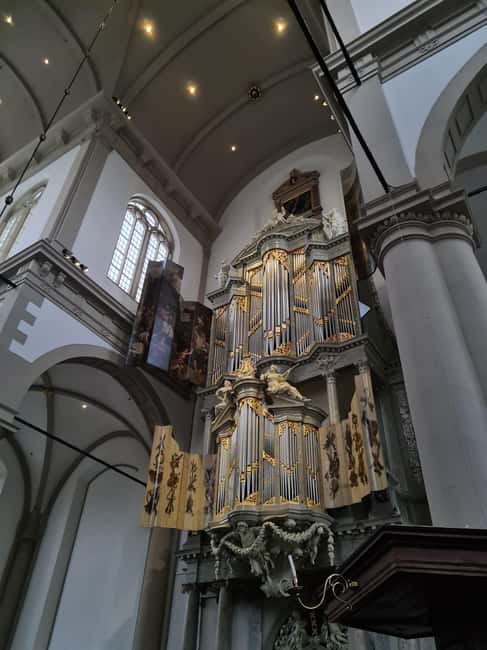
Yes, book it if you want an Amsterdam evening that blends real place, famous names, and serious organ sound in a tight one-hour format. The Duyschot organ built in 1686 is the main reason to go, and the Duyschot paired with Evan Bogerd and the big-screen view makes the performance easier to follow than you might expect.
Make one decision before you commit: dress for cold, because January church comfort can quietly shape your enjoyment. And if you know Bach can feel slow or dense to you, consider whether this composer mix fits your taste, since the program does include Bach more than once and ends with toccata in d minor.
If that sounds like your kind of night, Westerkerk offers exactly what a great concert should: a focused hour where the building, the instrument, and the music all work together.
FAQ
How long is the Organ Favourites concert at Westerkerk?
It lasts about 1 hour.
What is the price per person?
The price is $26 per person.
Who performs the organ on January 24?
Organist Evan Bogerd performs.
What organ is played at this concert?
The recital is on the Duyschot Organ, built in 1686.
What music will be included?
The program includes favorites connected with Bach, Buxtehude, Wagner, Franck, Mussorgsky, and it concludes with Bach’s toccata in d minor.
Will there be a chance to see the organist?
Yes. The organist playing is shown on a big screen.
Is the concert wheelchair accessible?
Yes, wheelchair access is listed.
Is the experience candlelit?
The concert is described as being performed in a candlelit Westerkerk setting.
Latest to arrive along the quays of Amsterdam




Amsterdam Tours & Experiences, compared.
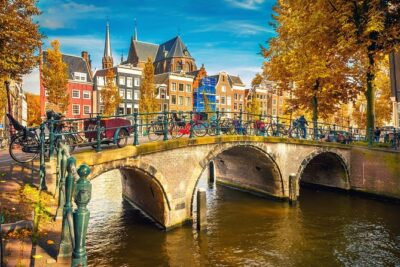
Amsterdam Classic Saloon Boat Cruise with Drinks and Cheese
Read our review →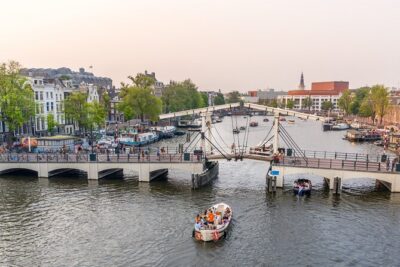
Amsterdam Luxury Canal Cruise + Unlimited Drinks & Bites option
Read our review →

Classic Saloon Boat Cruise with Cheese & Wine
Read our review →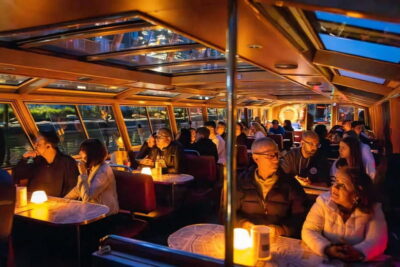
Evening Cruise with Optional Wine and Snacks
Read our review →
Heated Canal Cruise with Unlimited Drinks & Bite
Read our review →